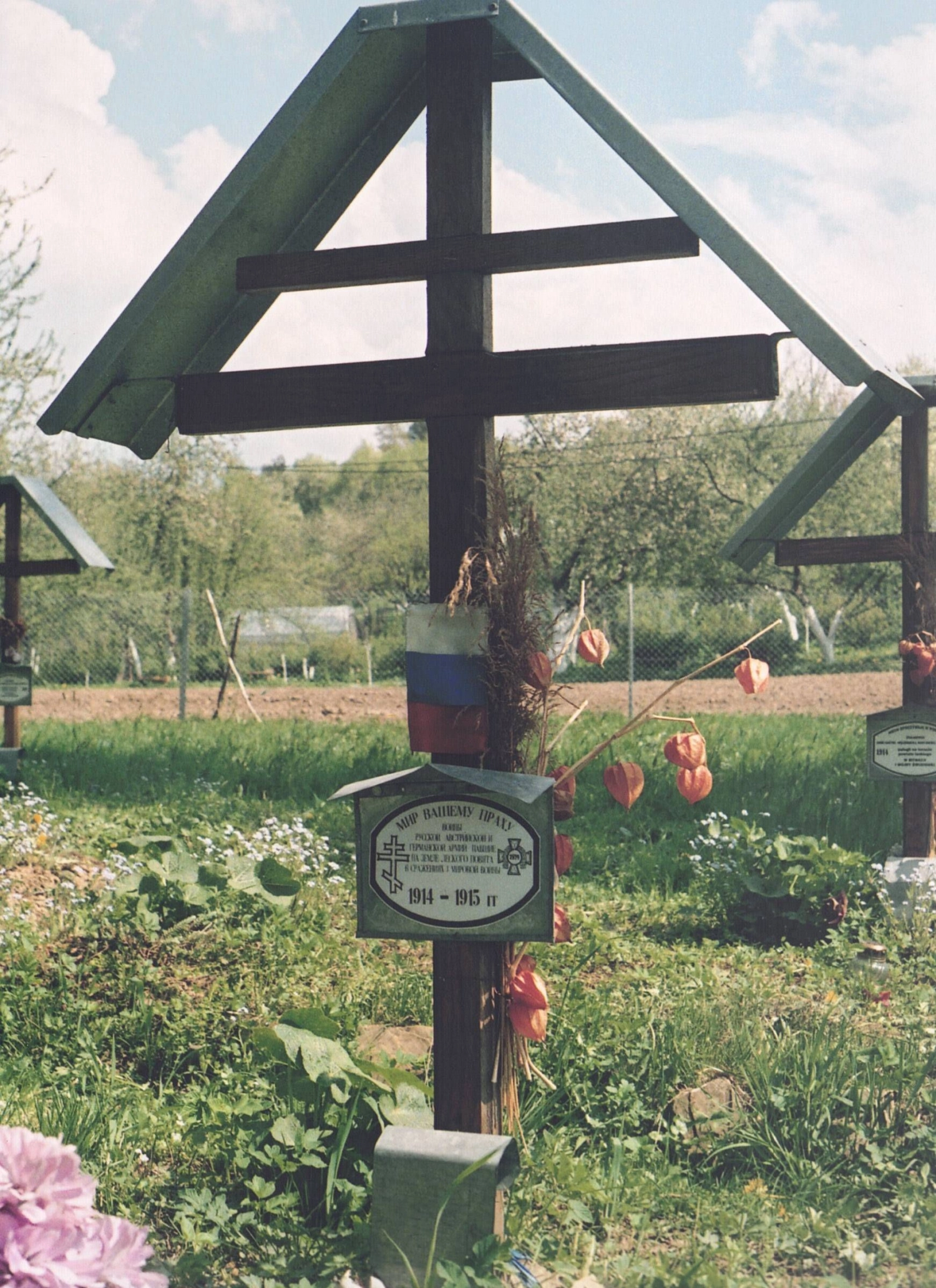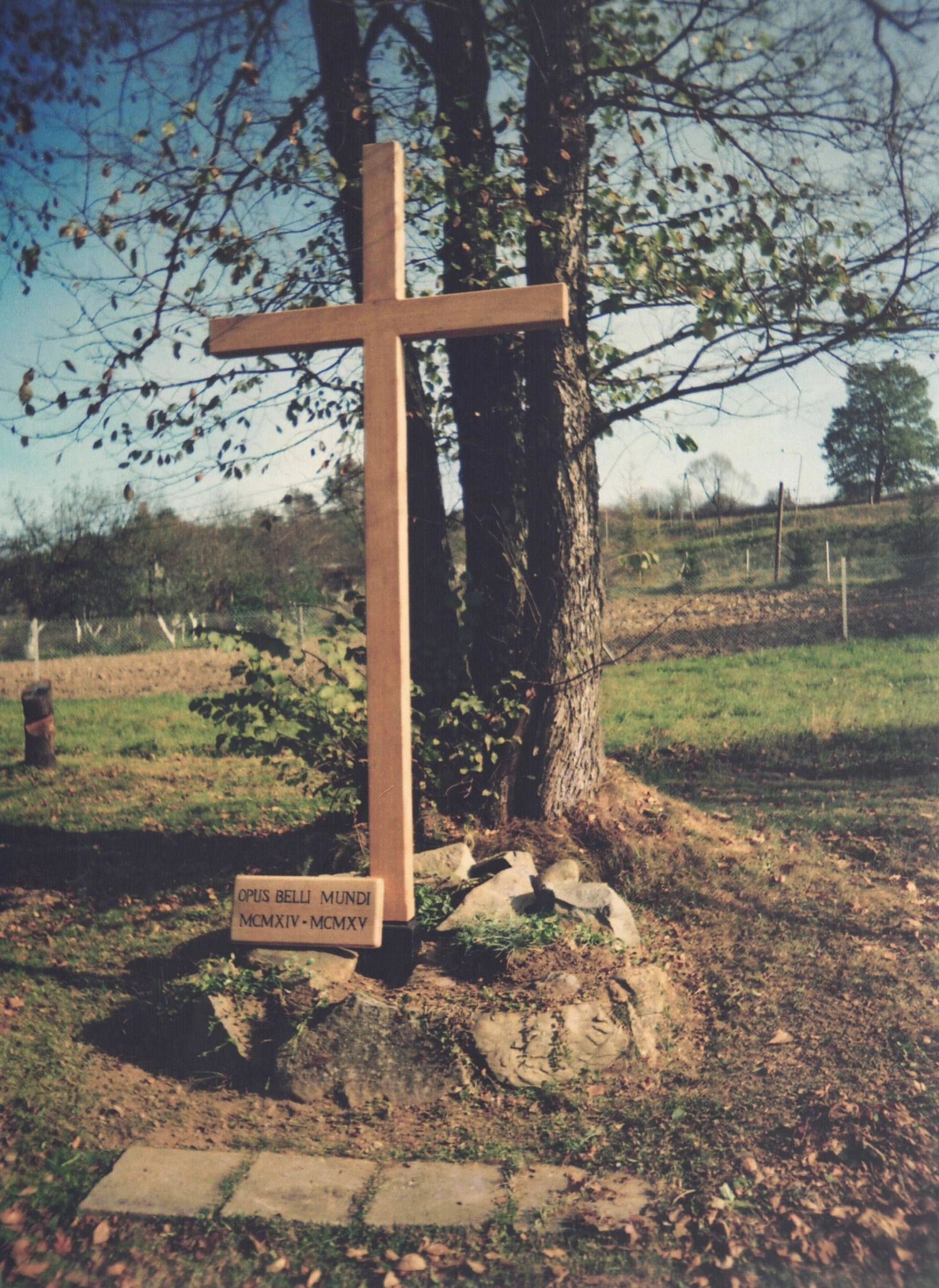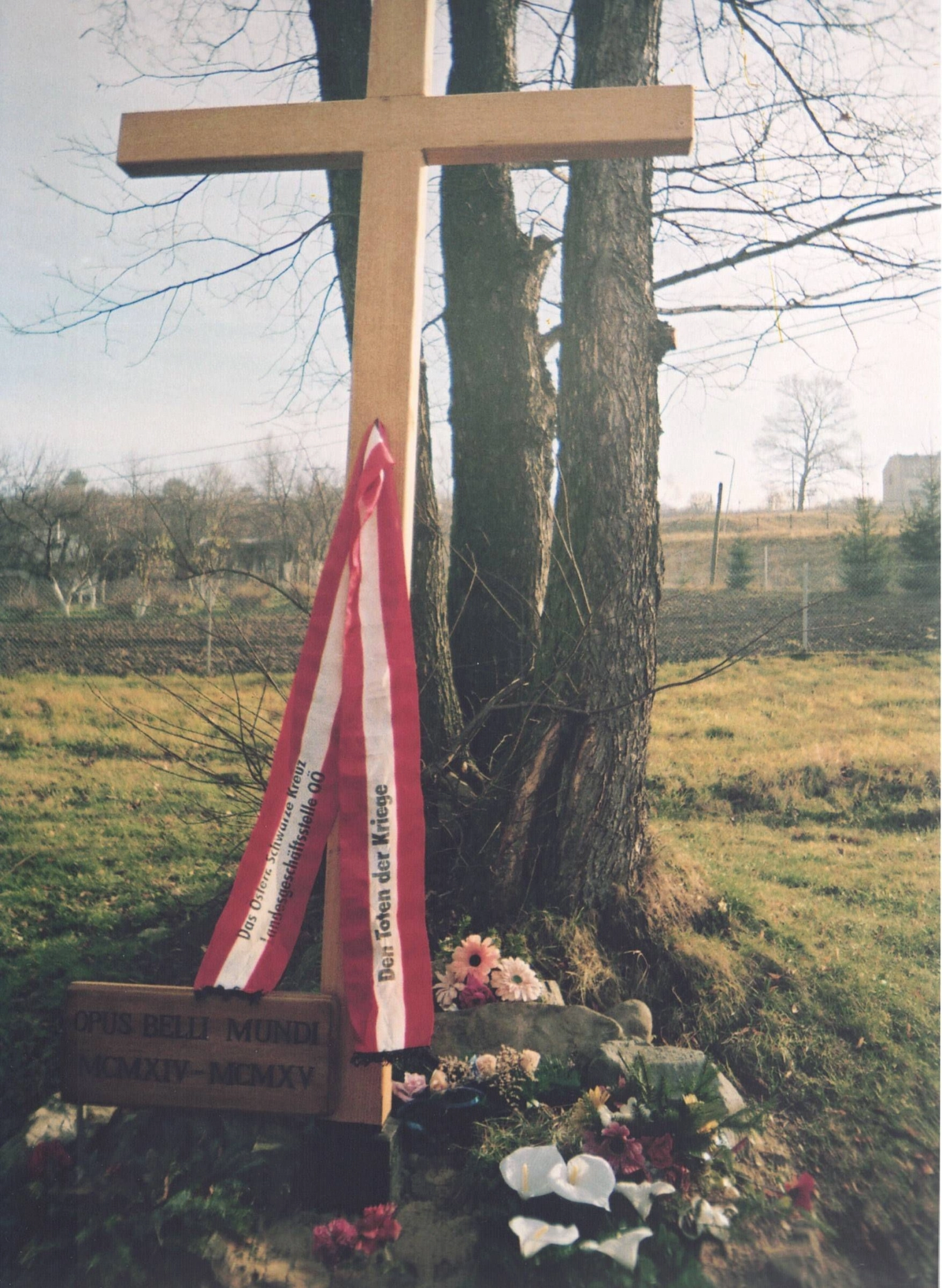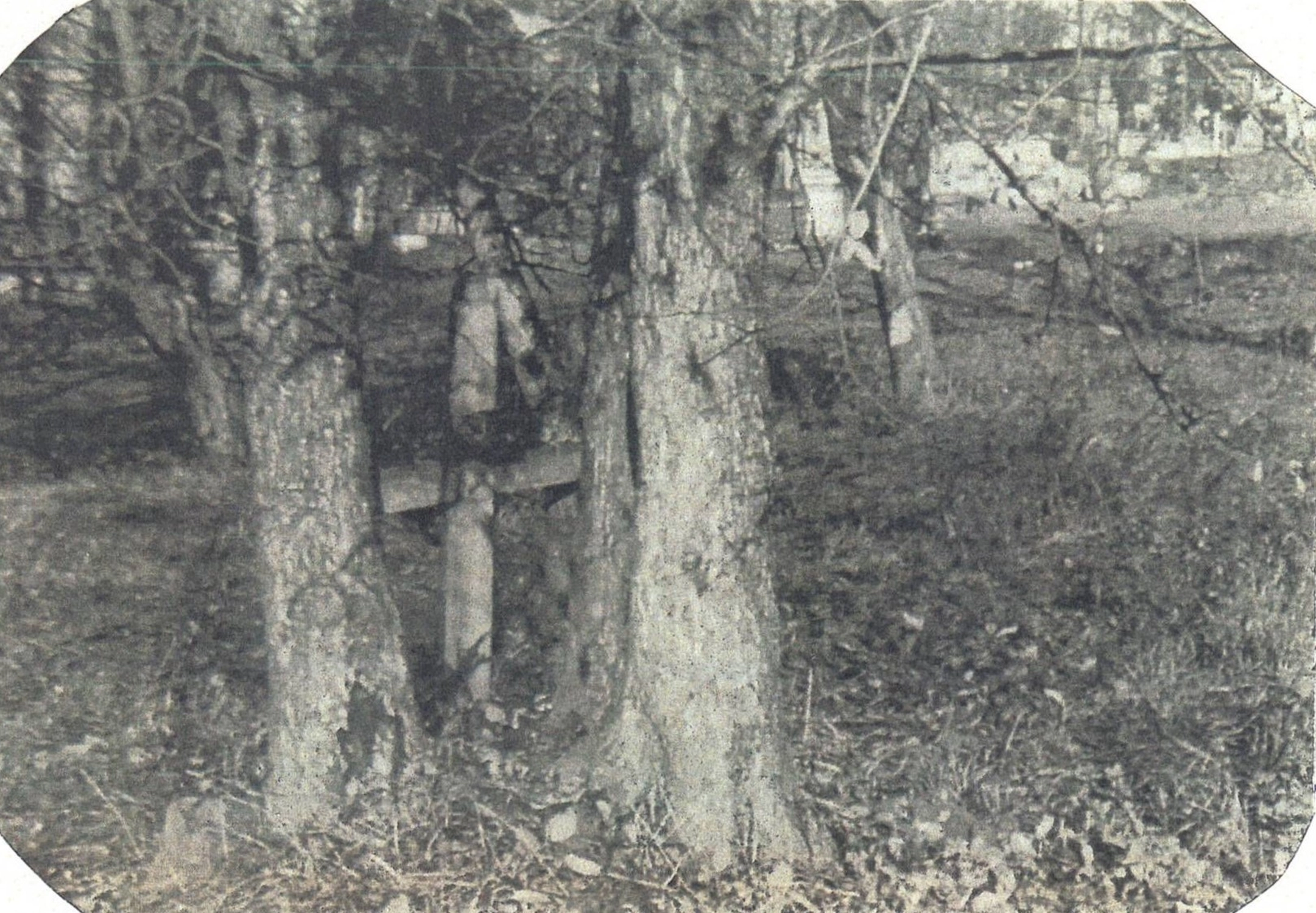
Restoration of the War Cemetery in Lesko
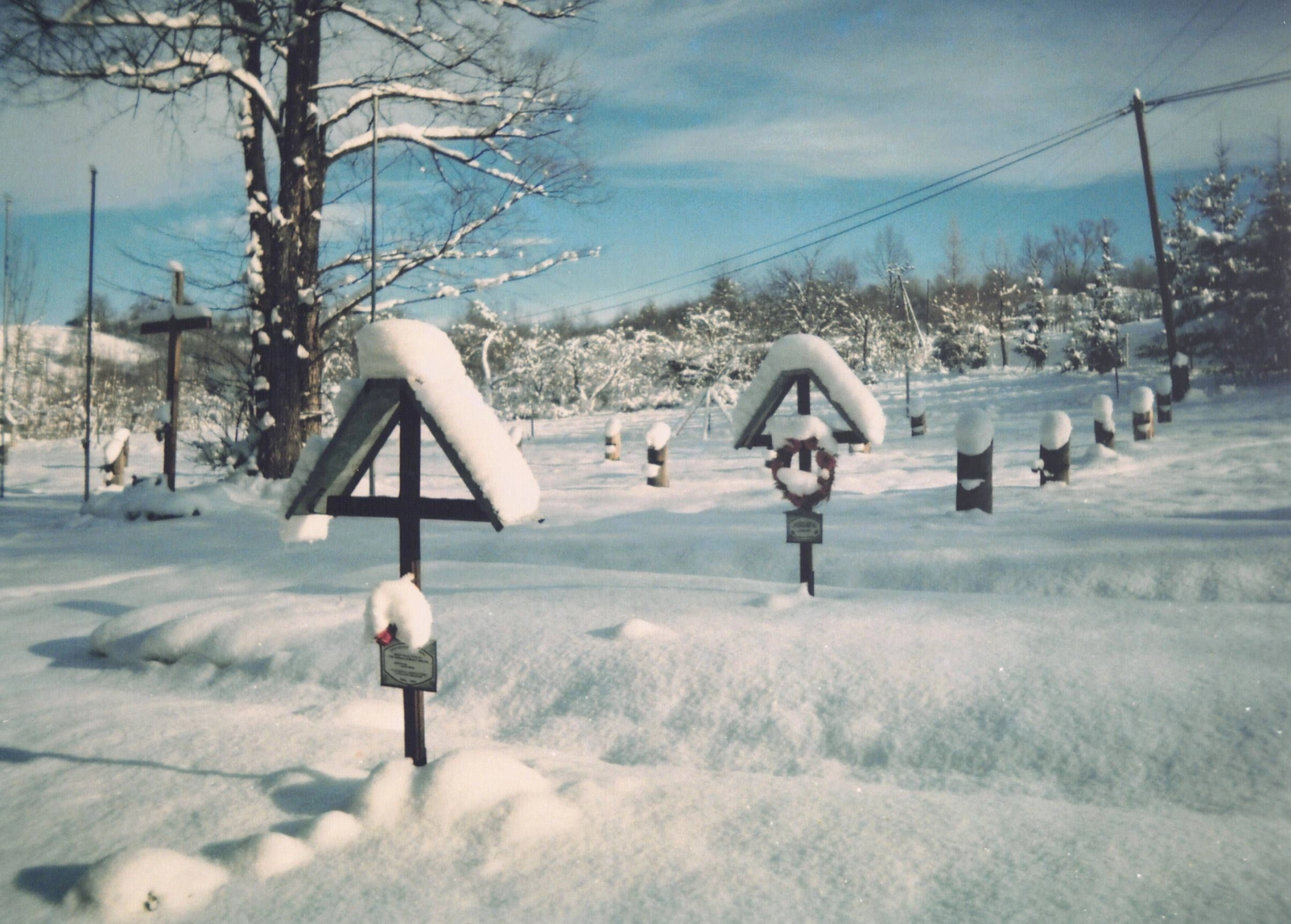
The war cemetery in Lesko, created during World War I, was forgotten and neglected for decades. It is the resting place of soldiers from the Austro-Hungarian, Russian, and Serbian armies, who mostly fell in 1915. The restoration of this memorial site was initiated and has been led for years by Stanisław Maciela, who with great commitment and determination undertook the difficult task of restoring the cemetery’s proper respect, historical documentation, and form consistent with the original.
Initiative and Initial Research
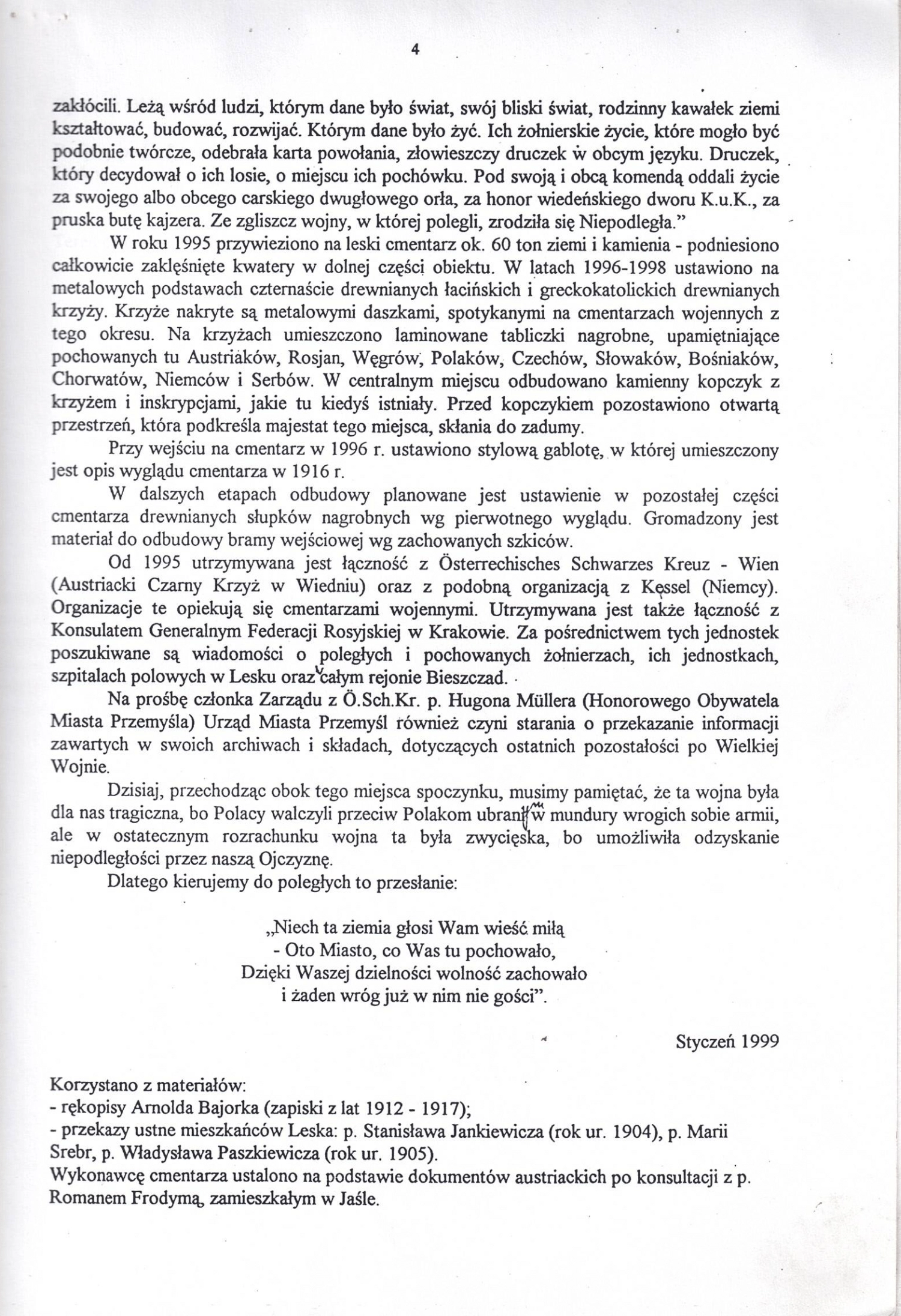
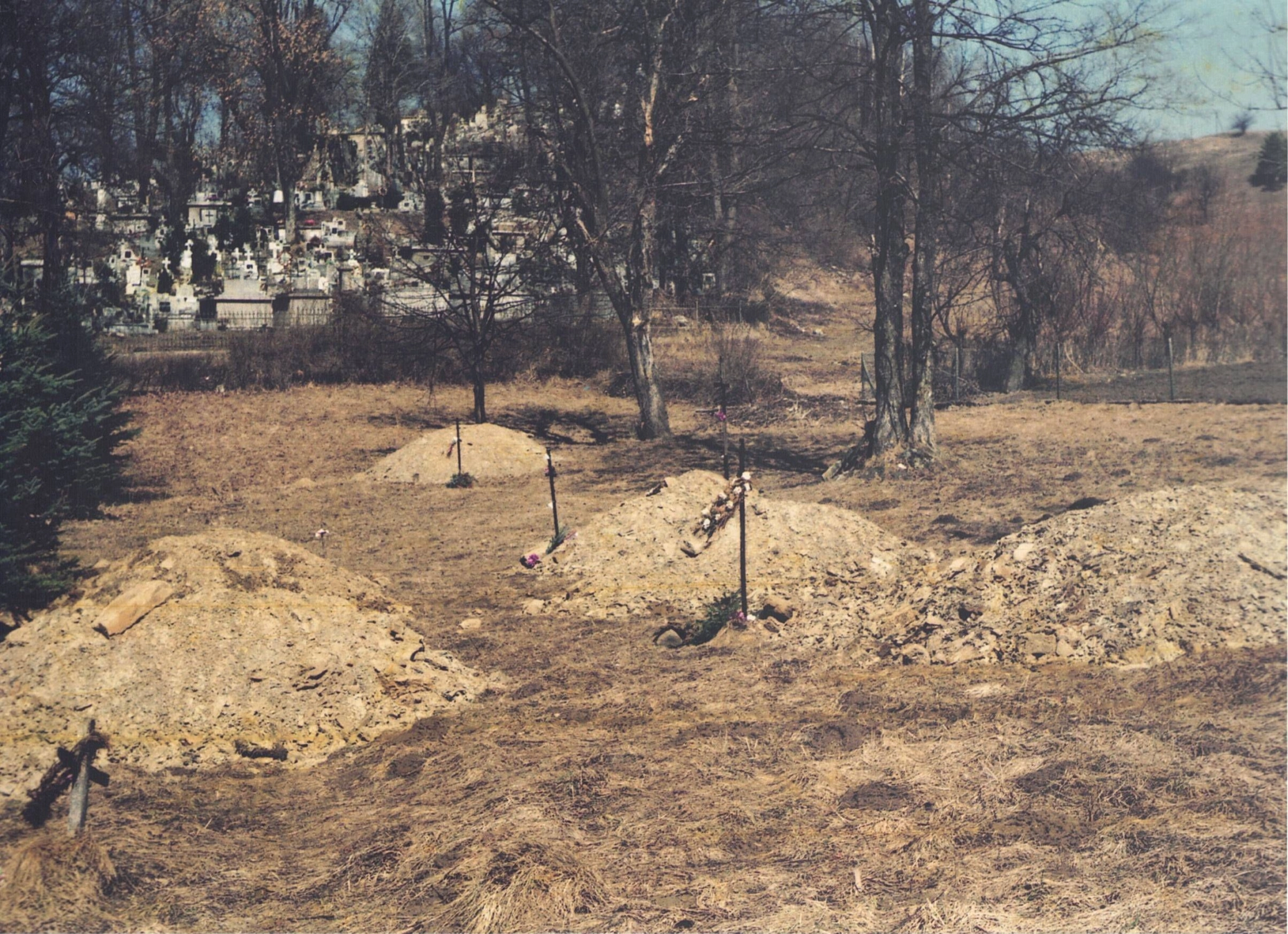
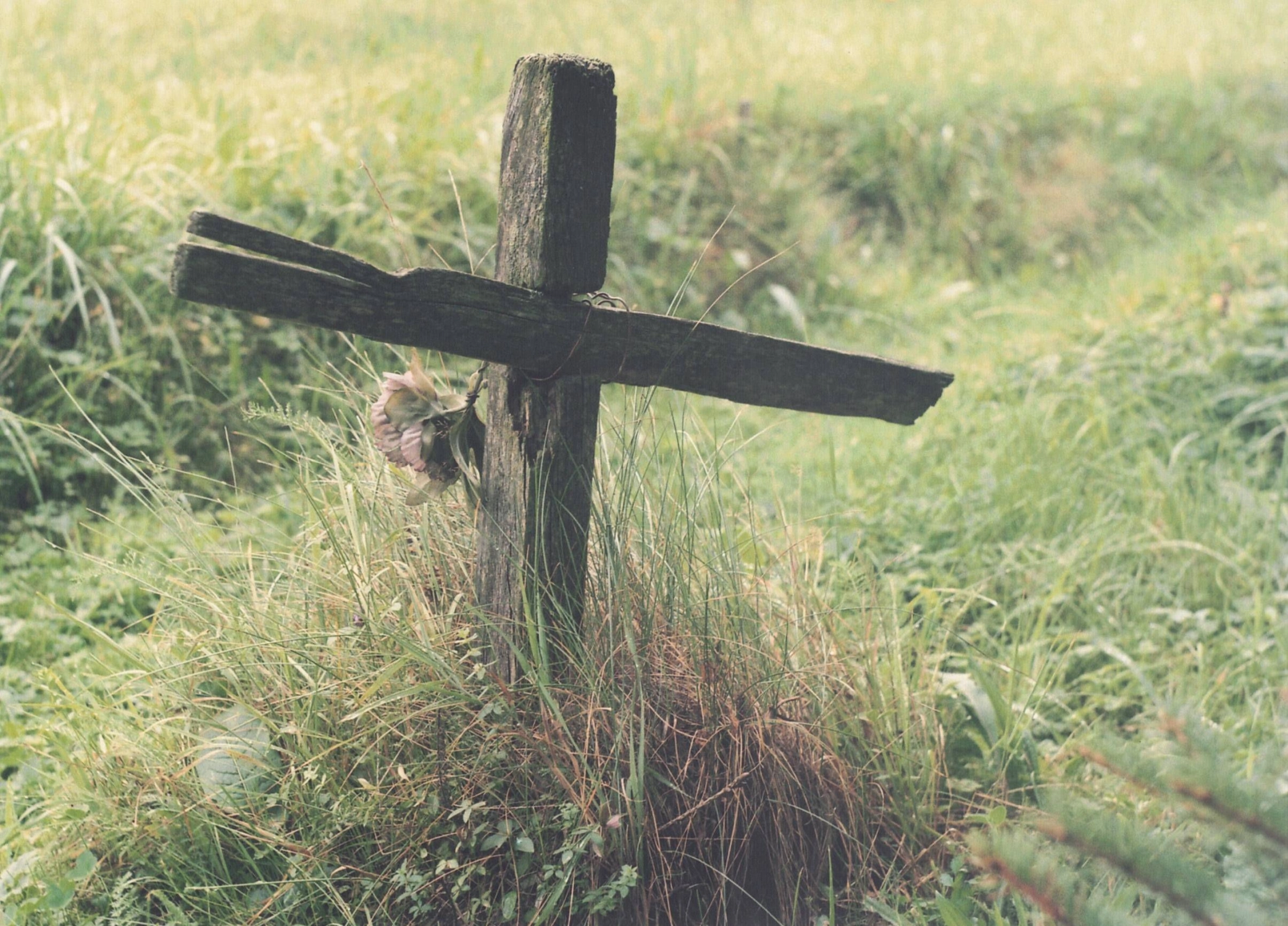
Since 1995, Stanisław Maciela began social efforts to restore the history of the war cemetery in Lesko. At that time, the area was heavily overgrown, and the original tombstones were damaged or stolen. Thanks to conversations with the oldest residents, local accounts, and initial archival research, it was possible to determine part of the cemetery’s original layout.
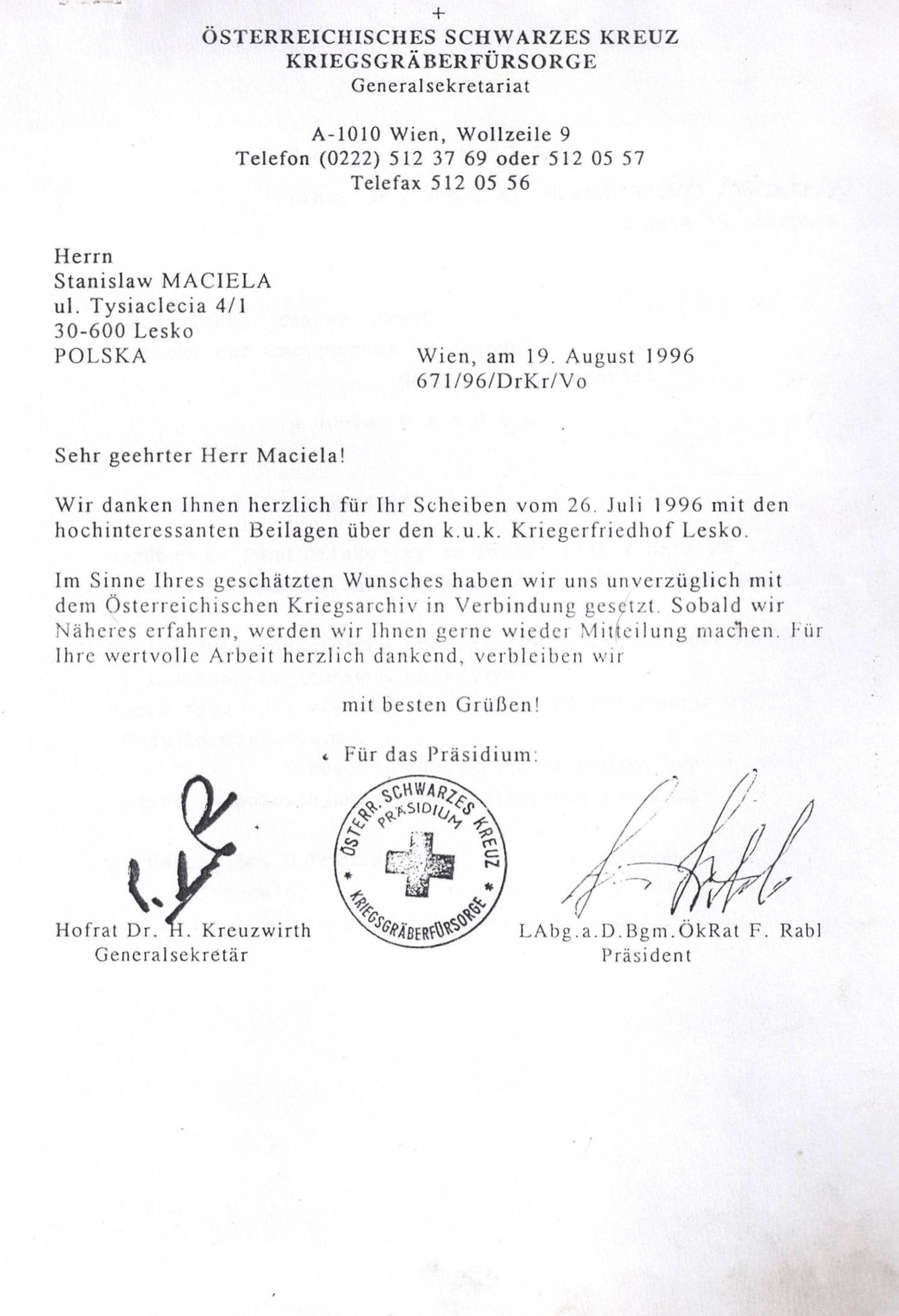
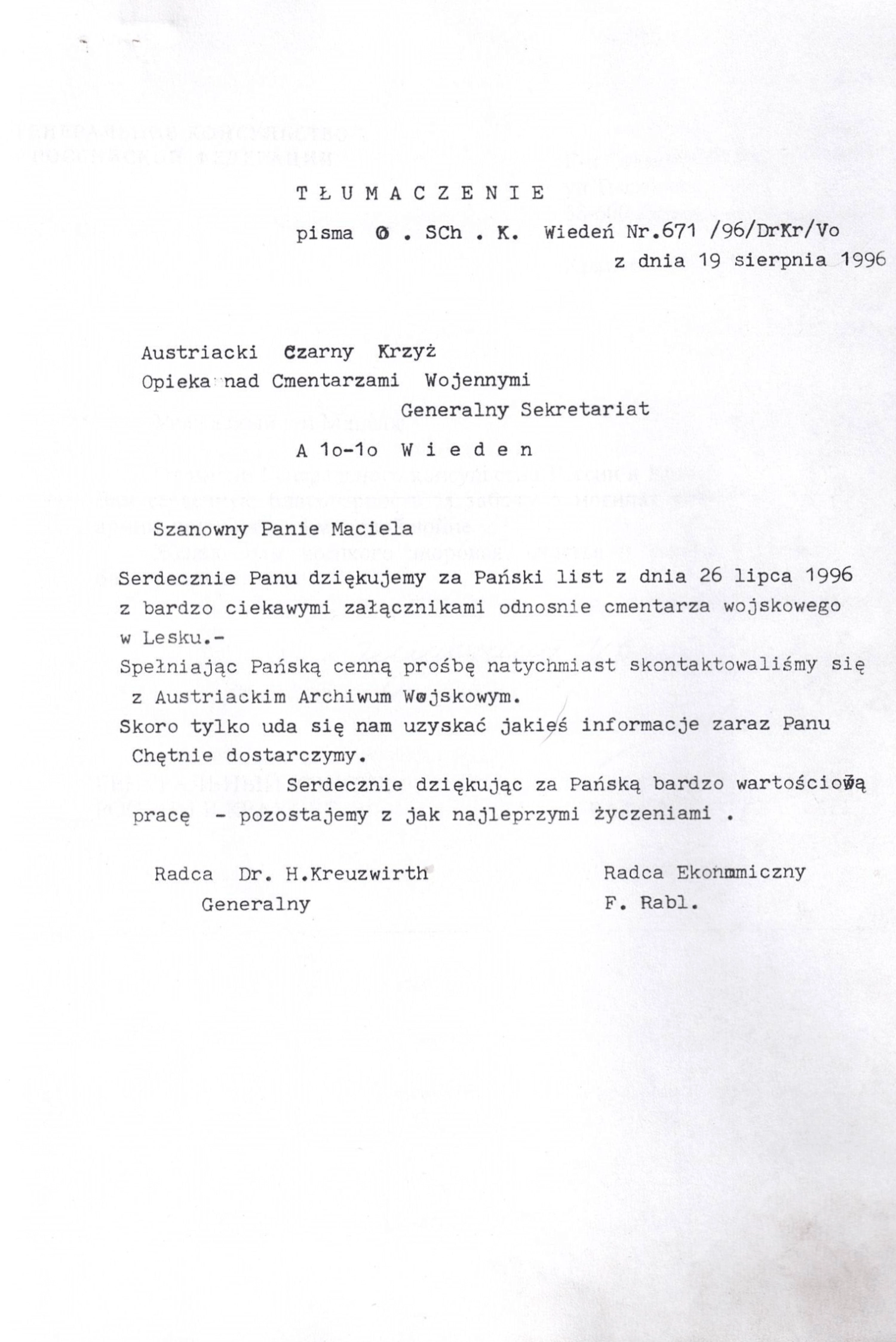
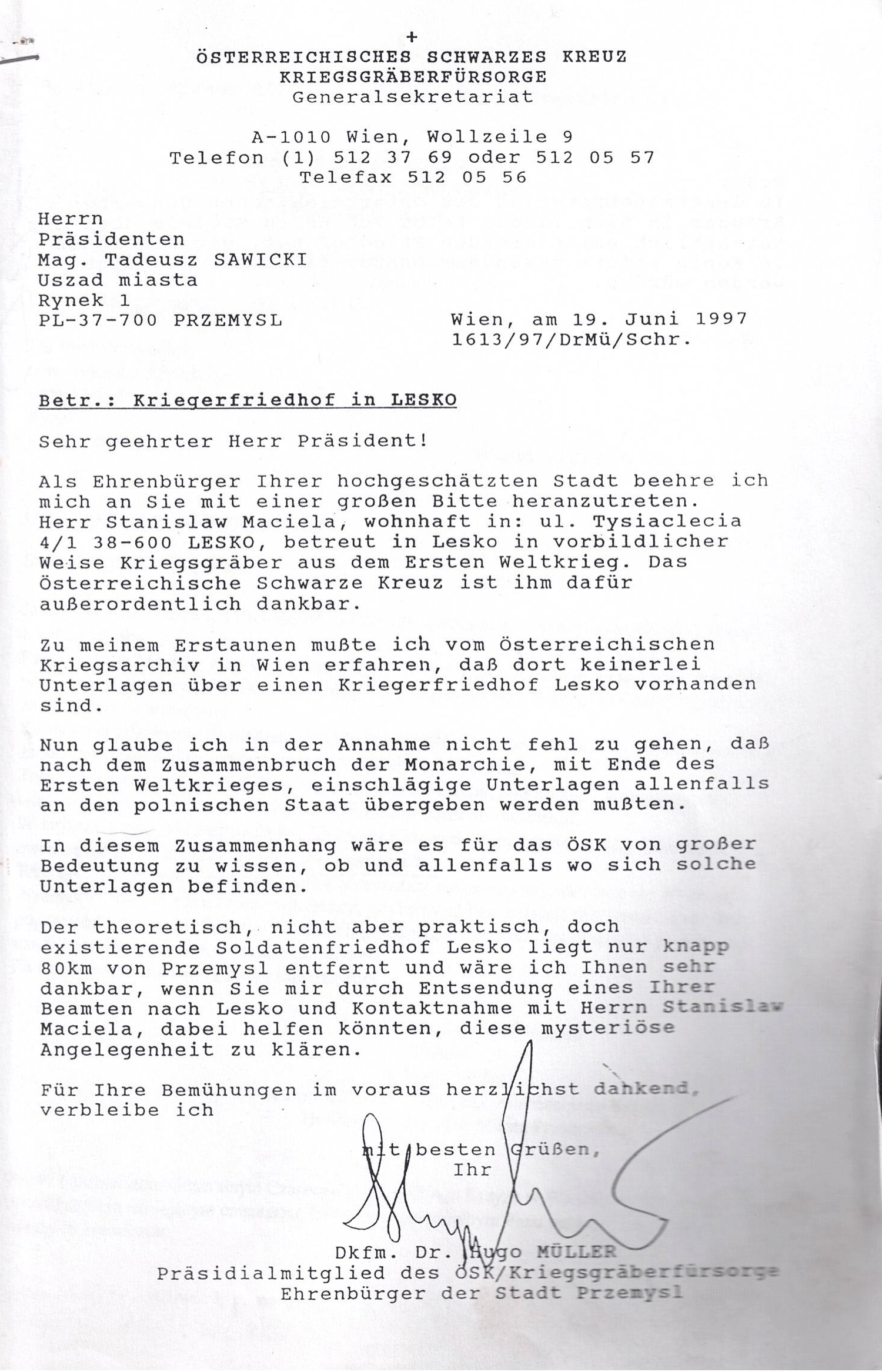
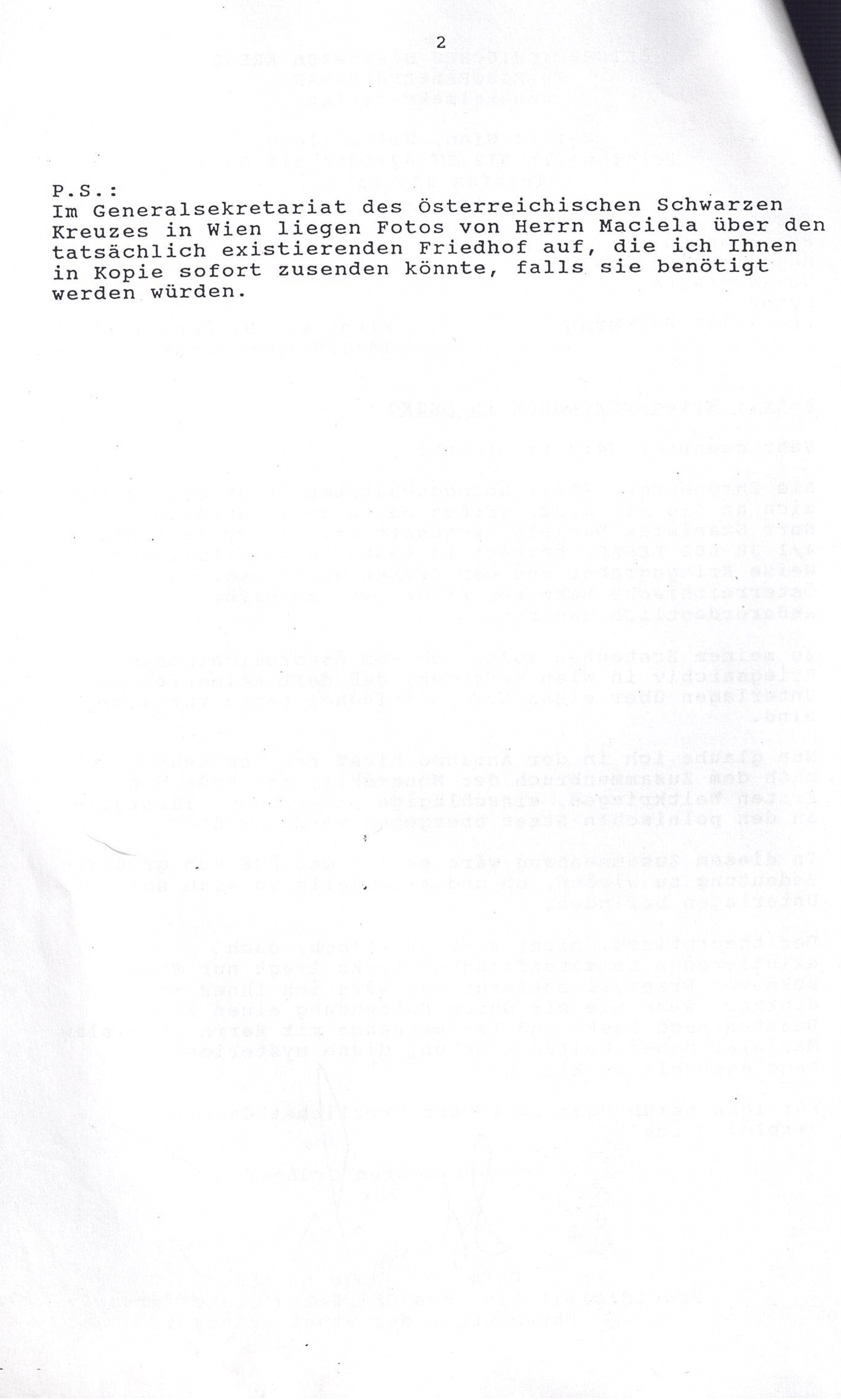
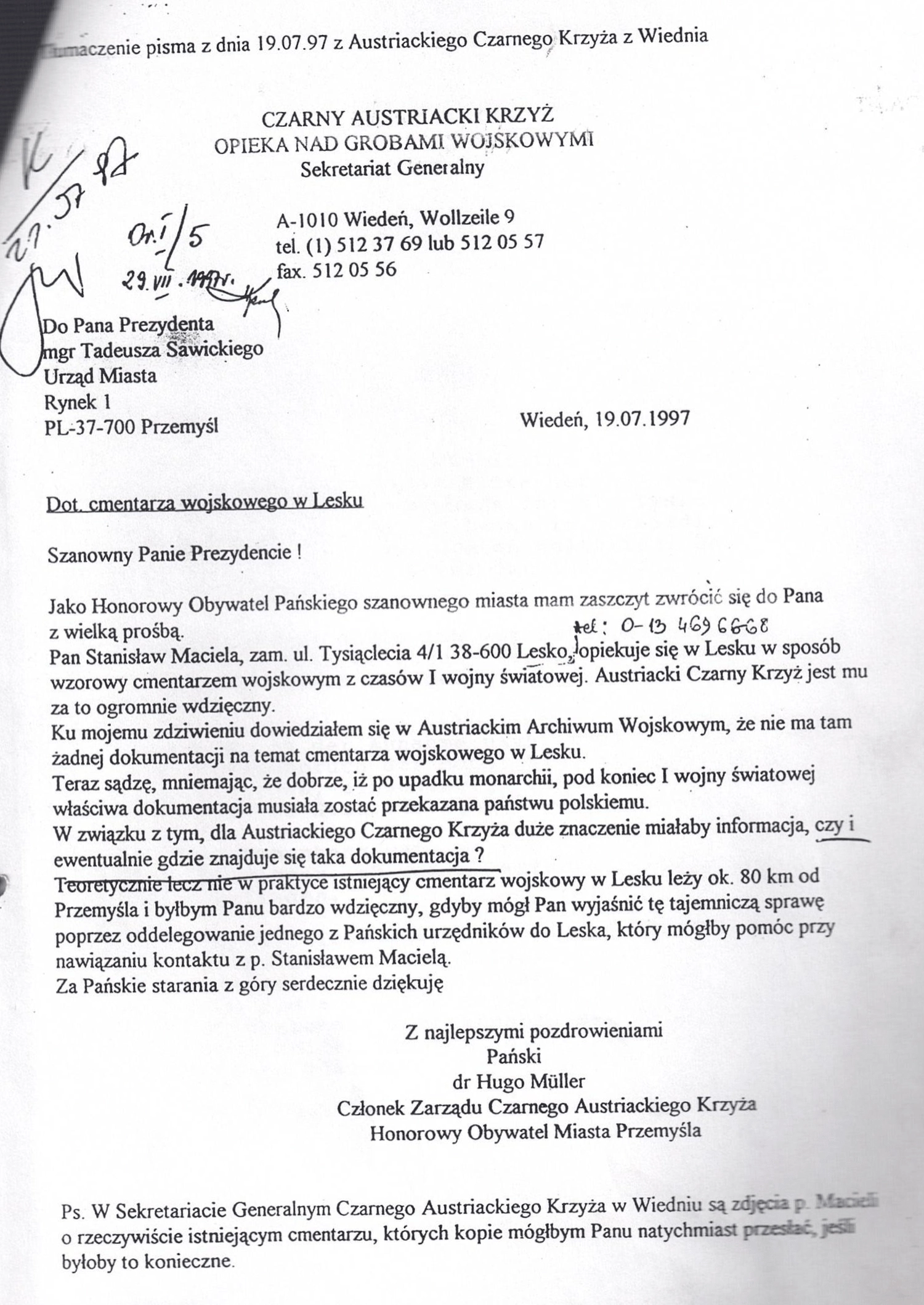
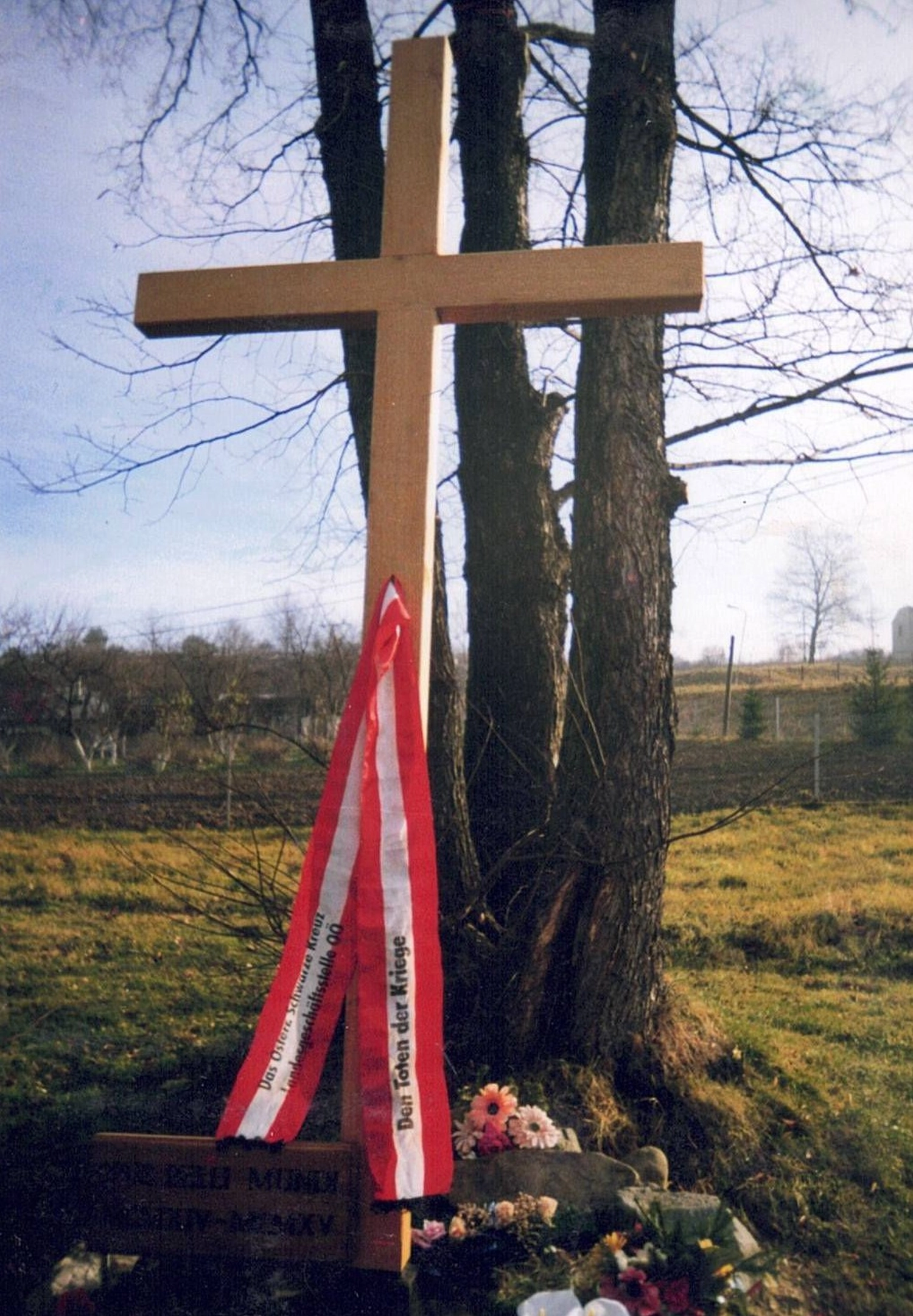
In 1996, Maciela established contact with the Österreichisches Schwarzes Kreuz (Austrian Black Cross), the Austrian organization responsible for war grave care. In 1997, he received an official response confirming the lack of any documentation regarding the military cemetery in Lesko.
Start of Cleanup and Institutional Support
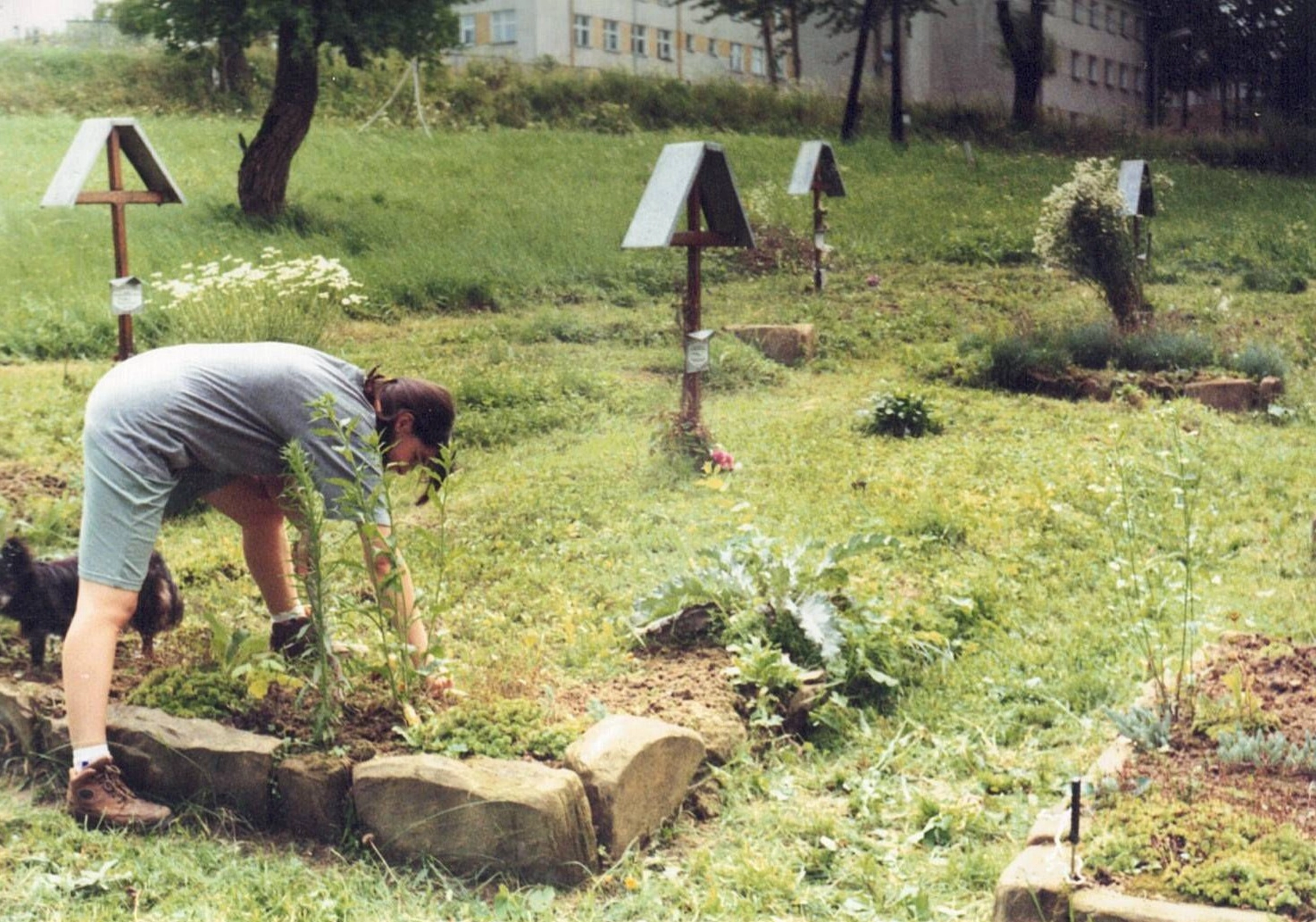
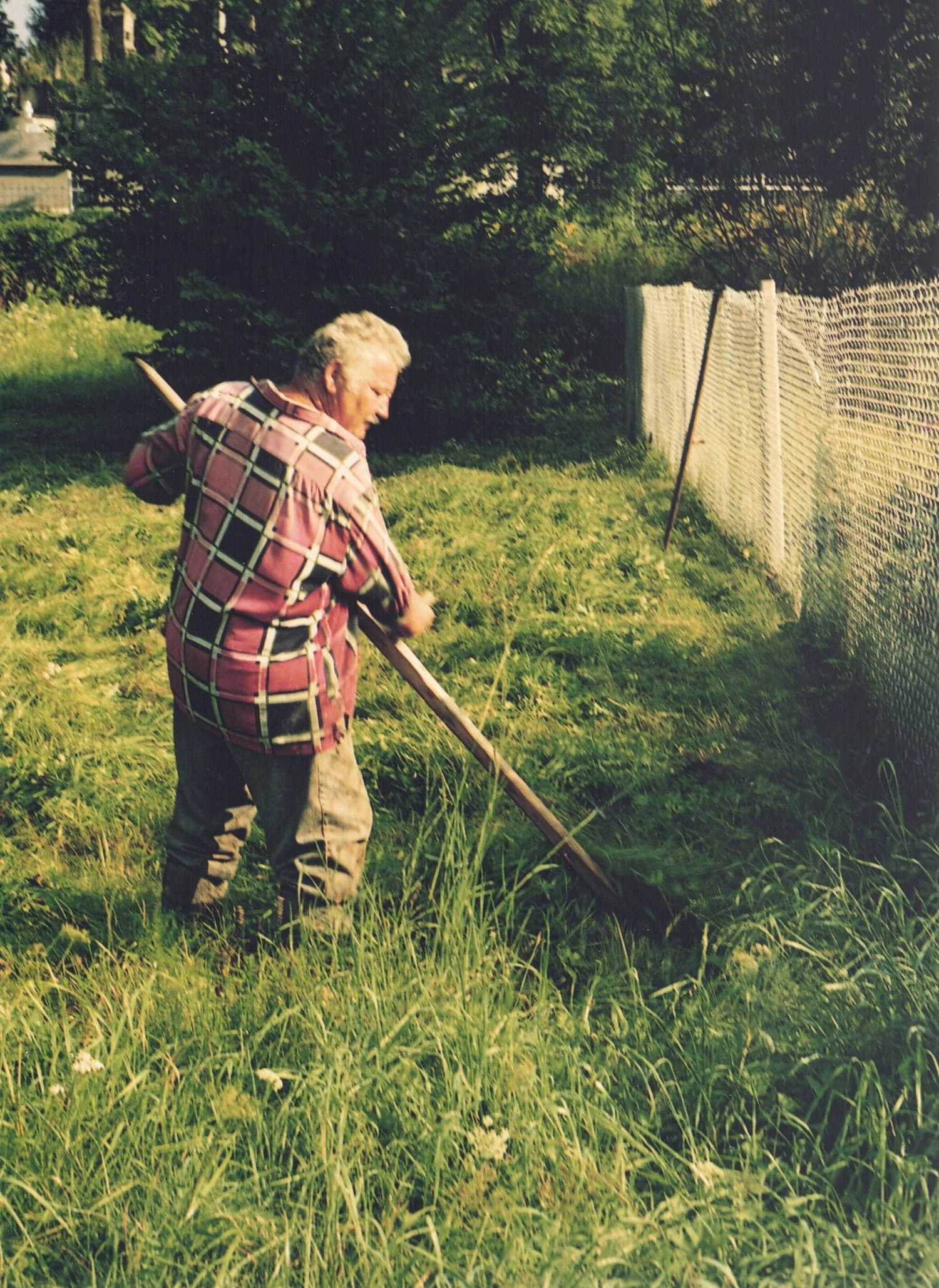
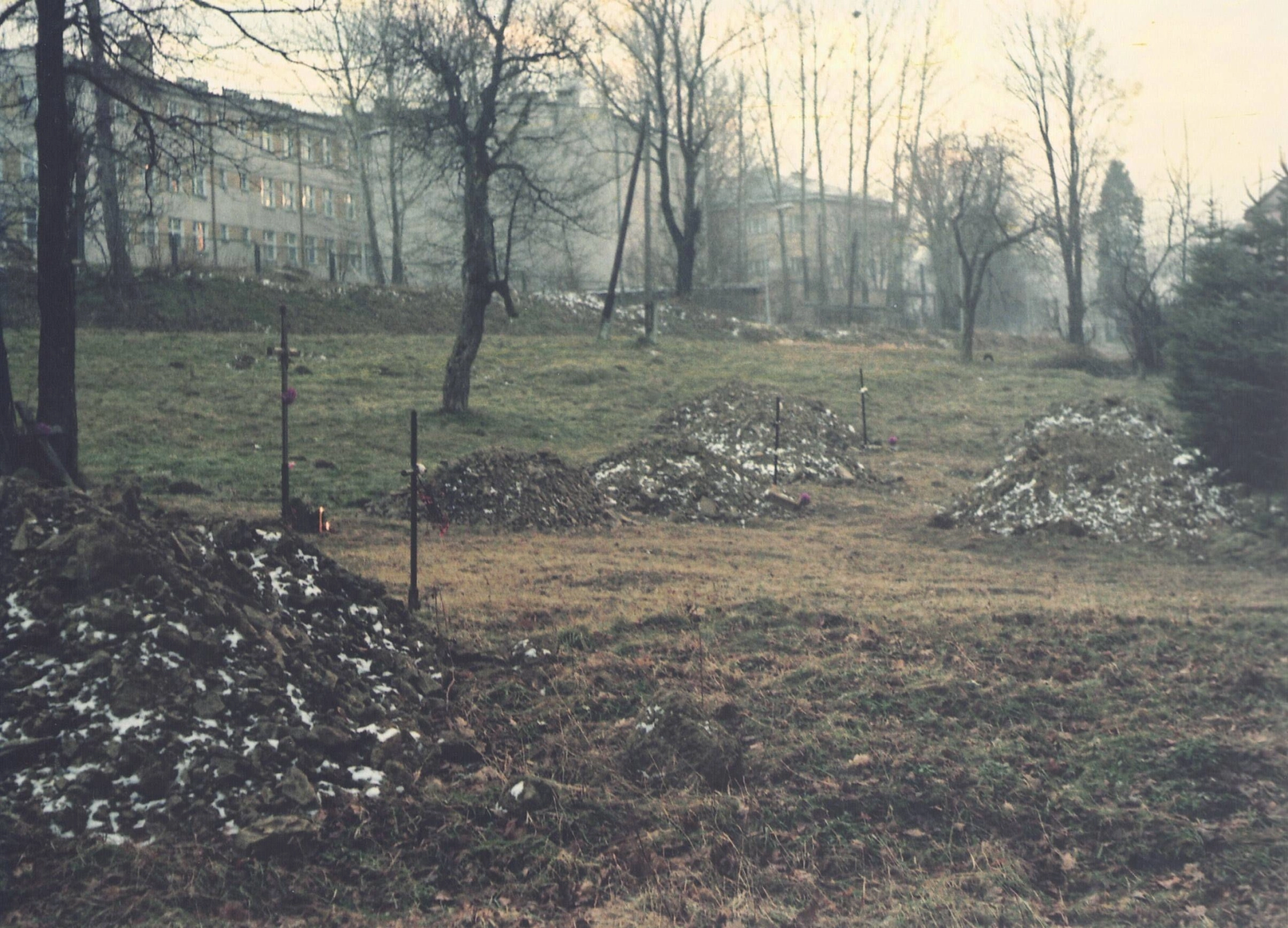
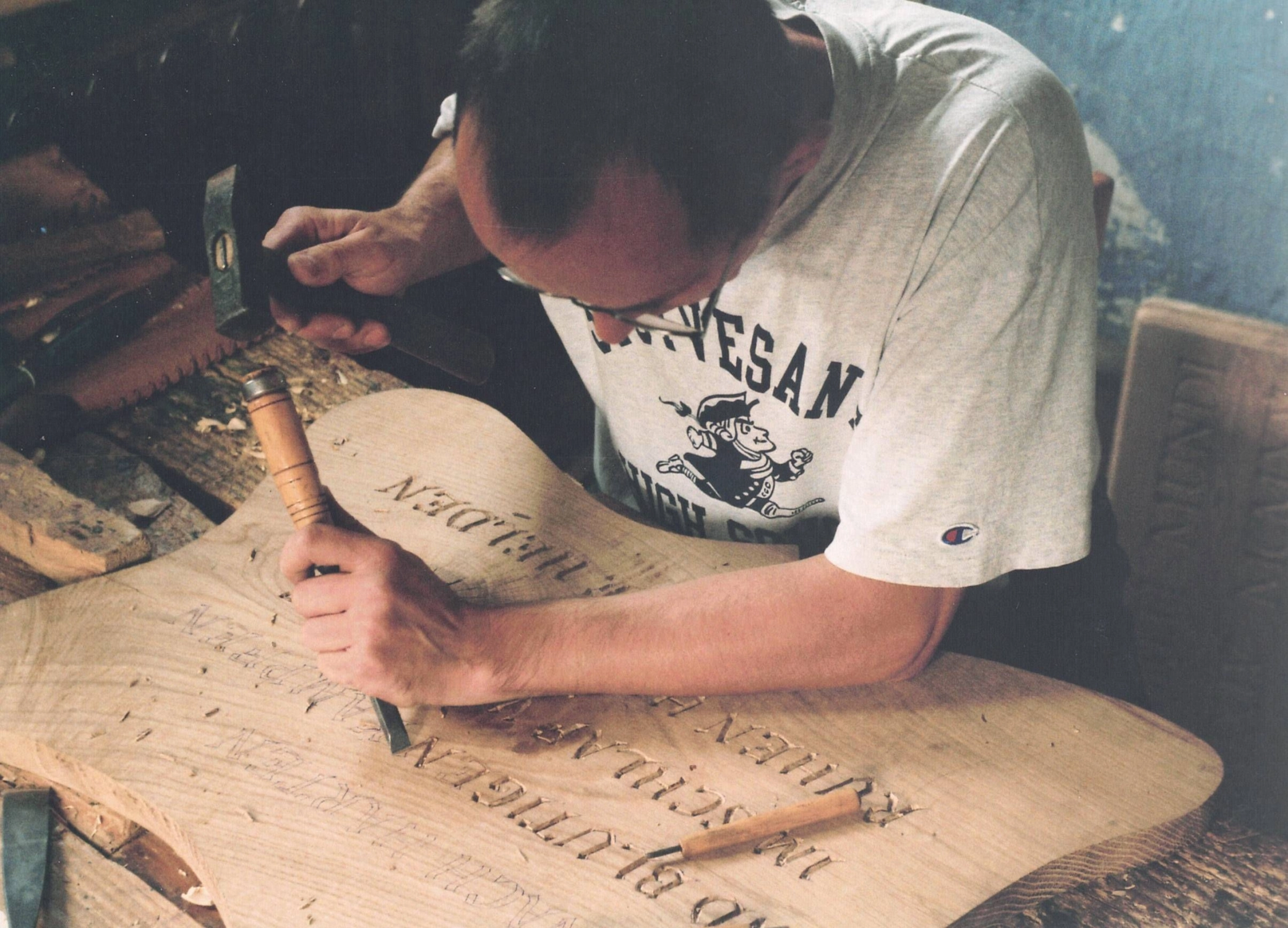
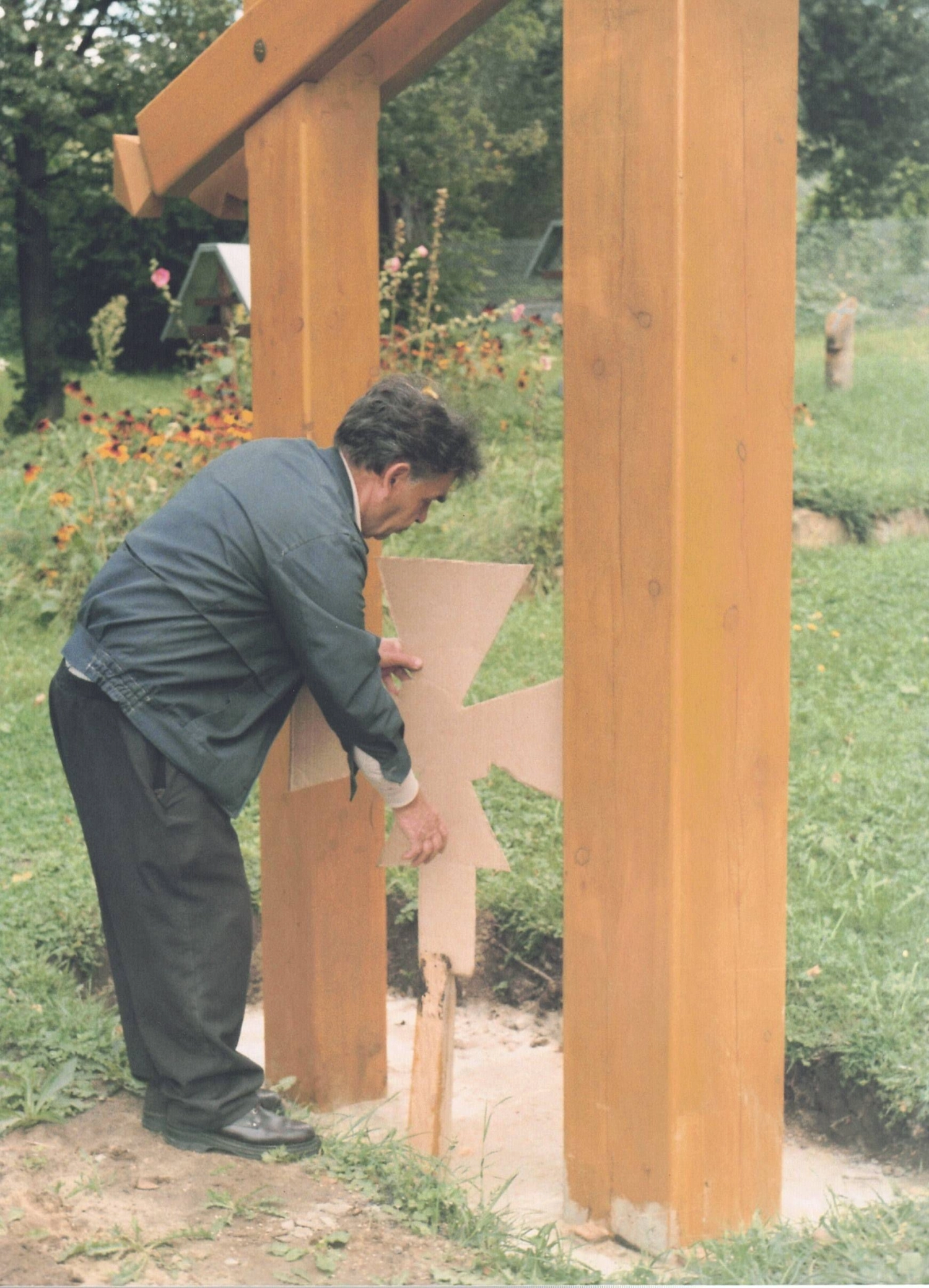
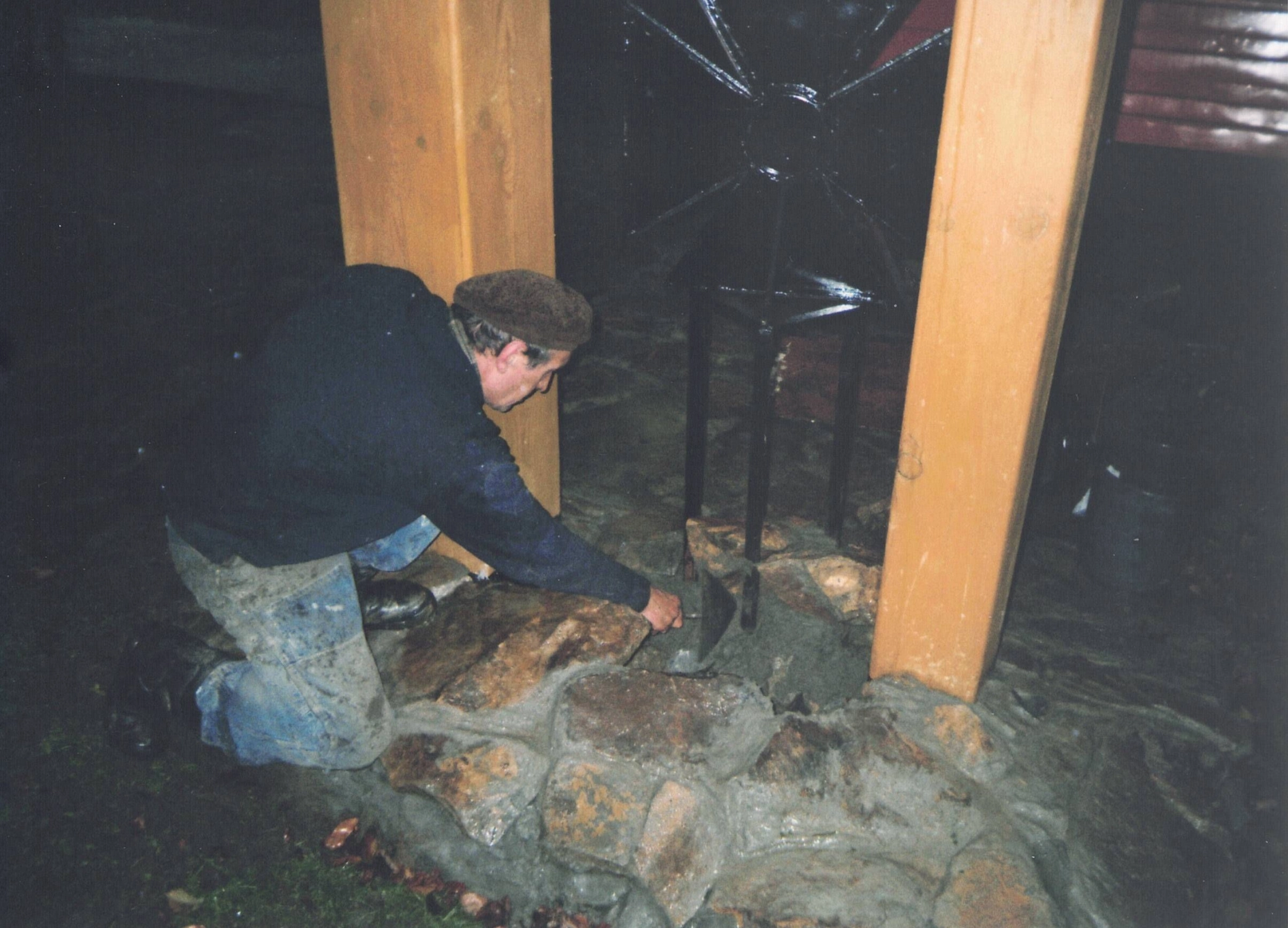
In 1996, thanks to Maciela’s determination, cleanup work began: removing vegetation, clearing fragments of former graves, and locating the cemetery’s original boundaries.
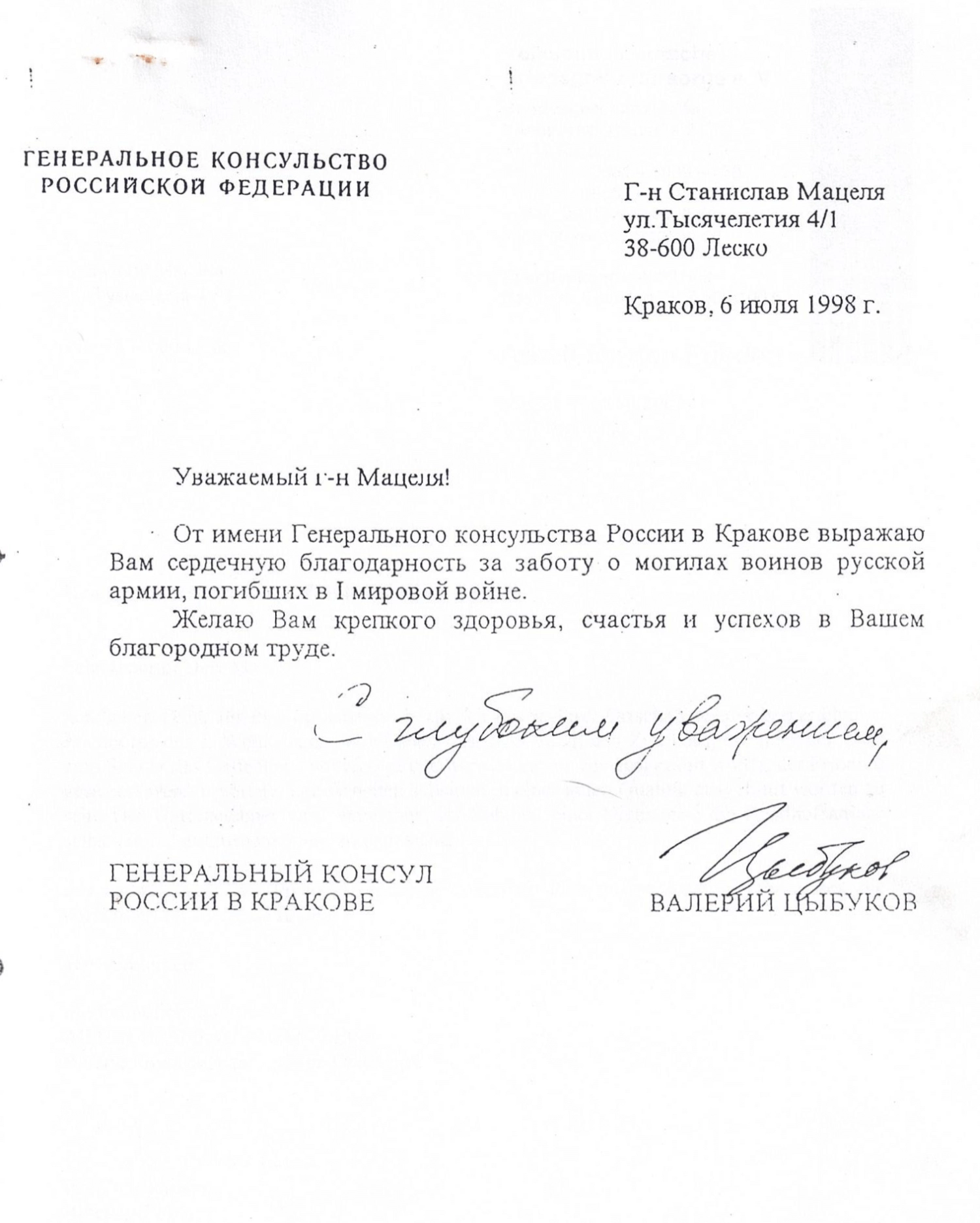
That same year, the Russian Consulate General in Kraków took an interest and sent their recognition:
Dear Mr. Maciela,
On behalf of the Consulate General of the Russian Federation in Kraków, I express sincere thanks for your care of the graves of Russian army soldiers who died during World War I.
I wish you good health, happiness, and success in your noble work.
With deep respect,
Valery Tsybukov
Consul General
Excerpt from the 1999 Annual “Bieszczad” by Stanisław Maciela
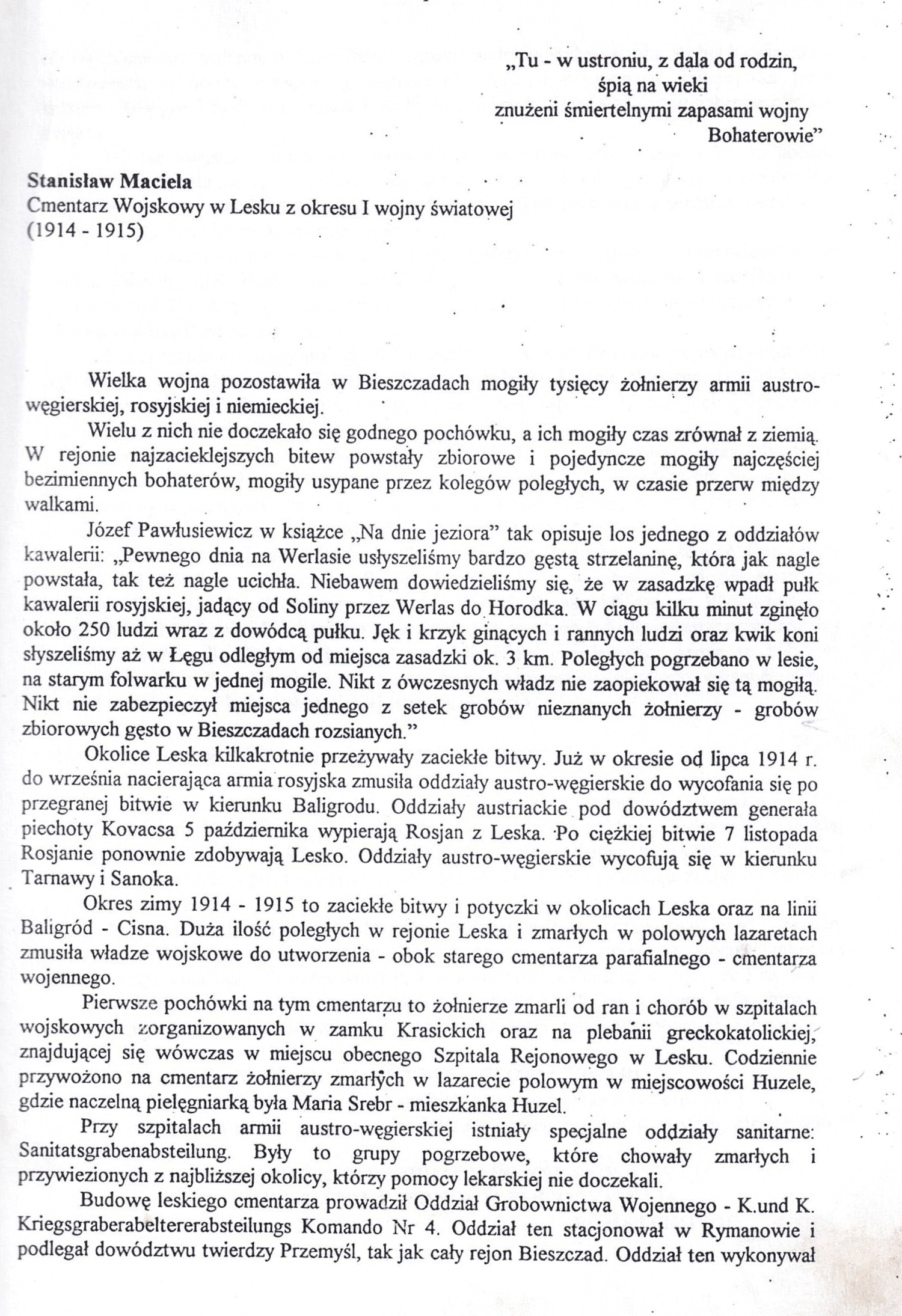
The war cemetery in Lesko was established during World War I, when intense battles in the Bieszczady region caused thousands of casualties. Soldiers from the Austro-Hungarian, Russian, and German armies lie here—often anonymous, buried collectively by comrades or military burial units. The cemetery was created next to the old parish cemetery in response to the high number of deaths in nearby field hospitals, including the Lesko castle and Huzel.
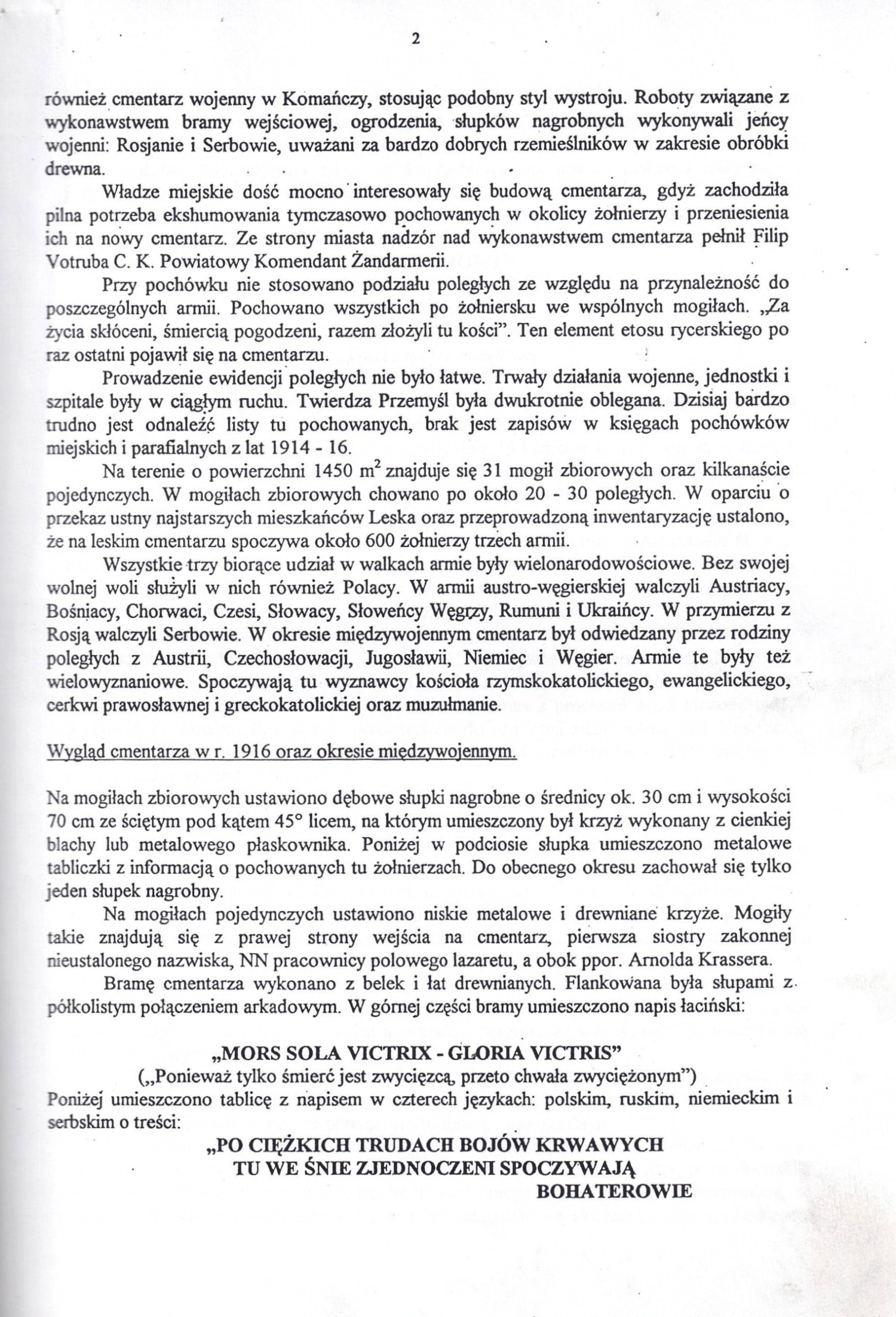
The construction was managed by the War Grave Department subordinate to the Przemyśl fortress. The work was carried out by prisoners of war, including Russians and Serbs. Burials were made regardless of army affiliation—“at life enemies, in death reconciled.” Records were difficult to maintain, and many data were lost. It is estimated that around 600 soldiers of various nationalities and faiths rest here.
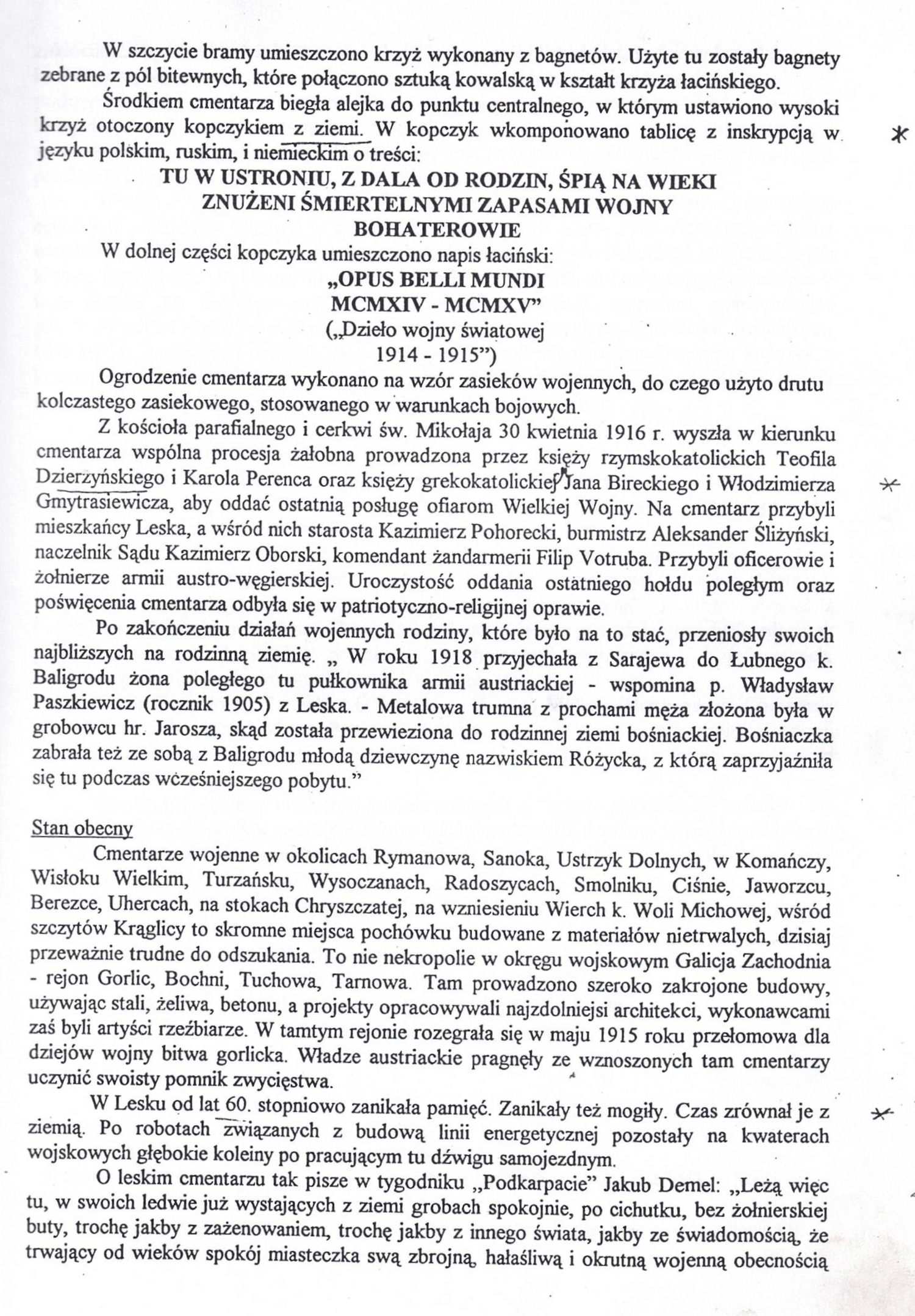
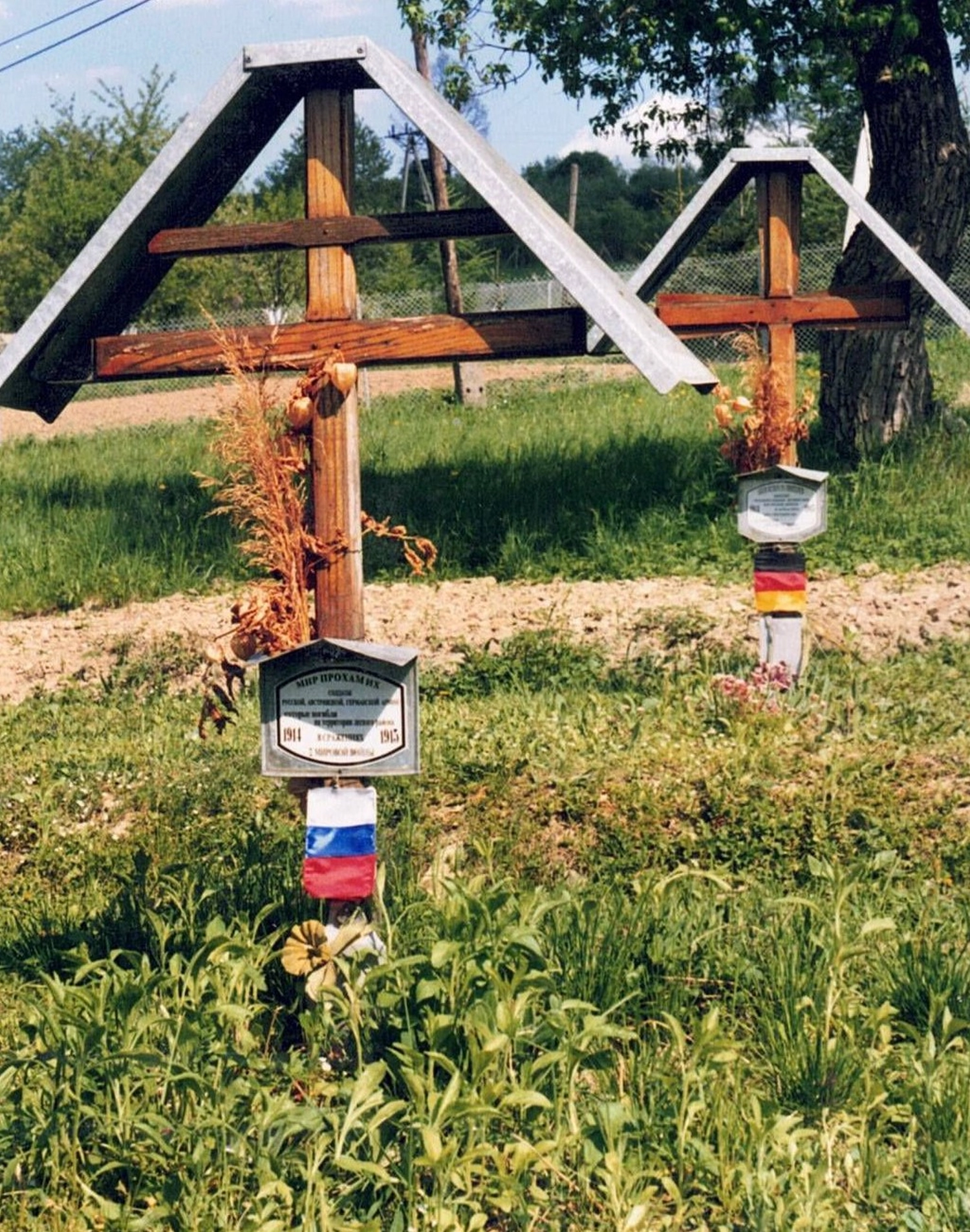
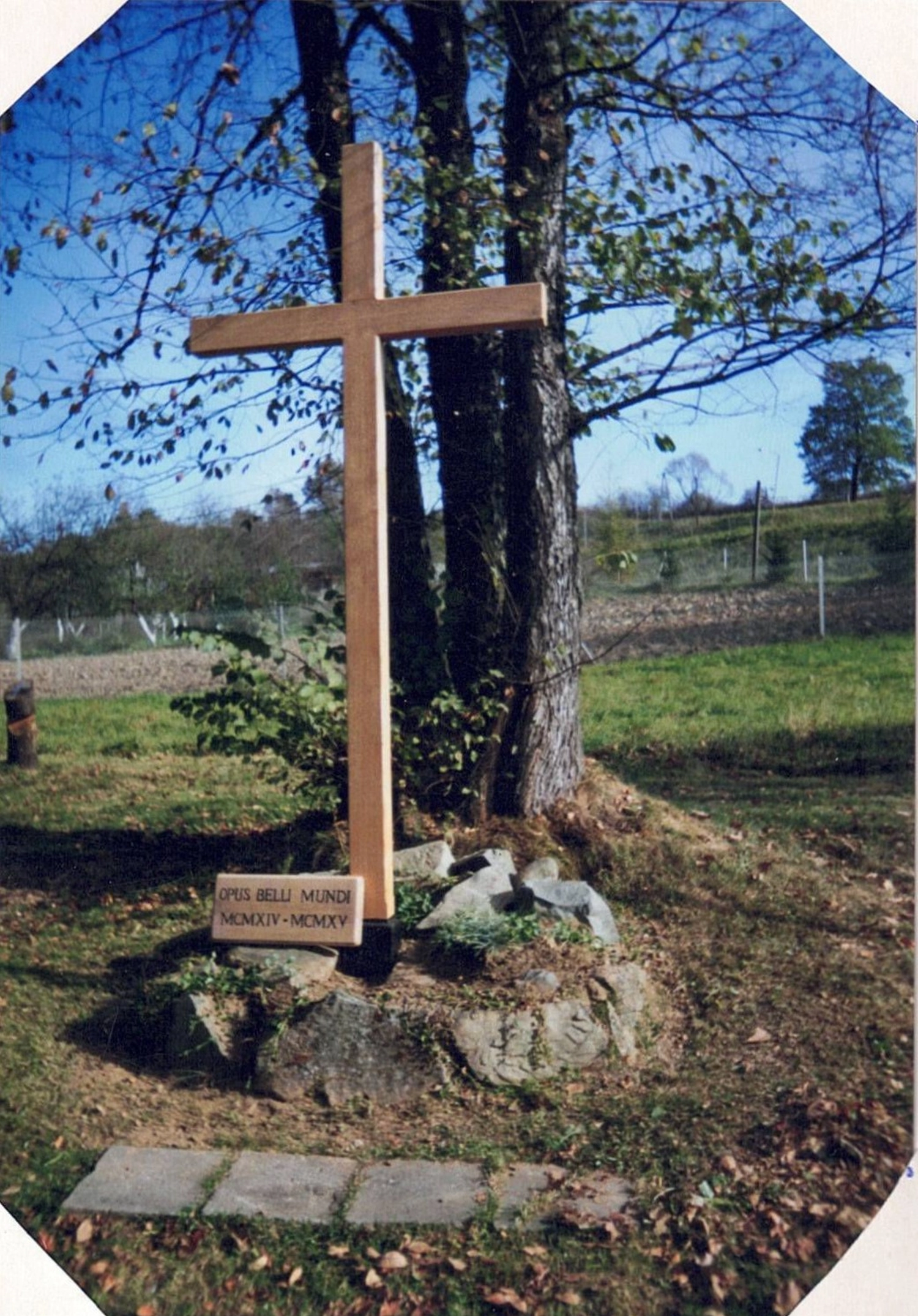
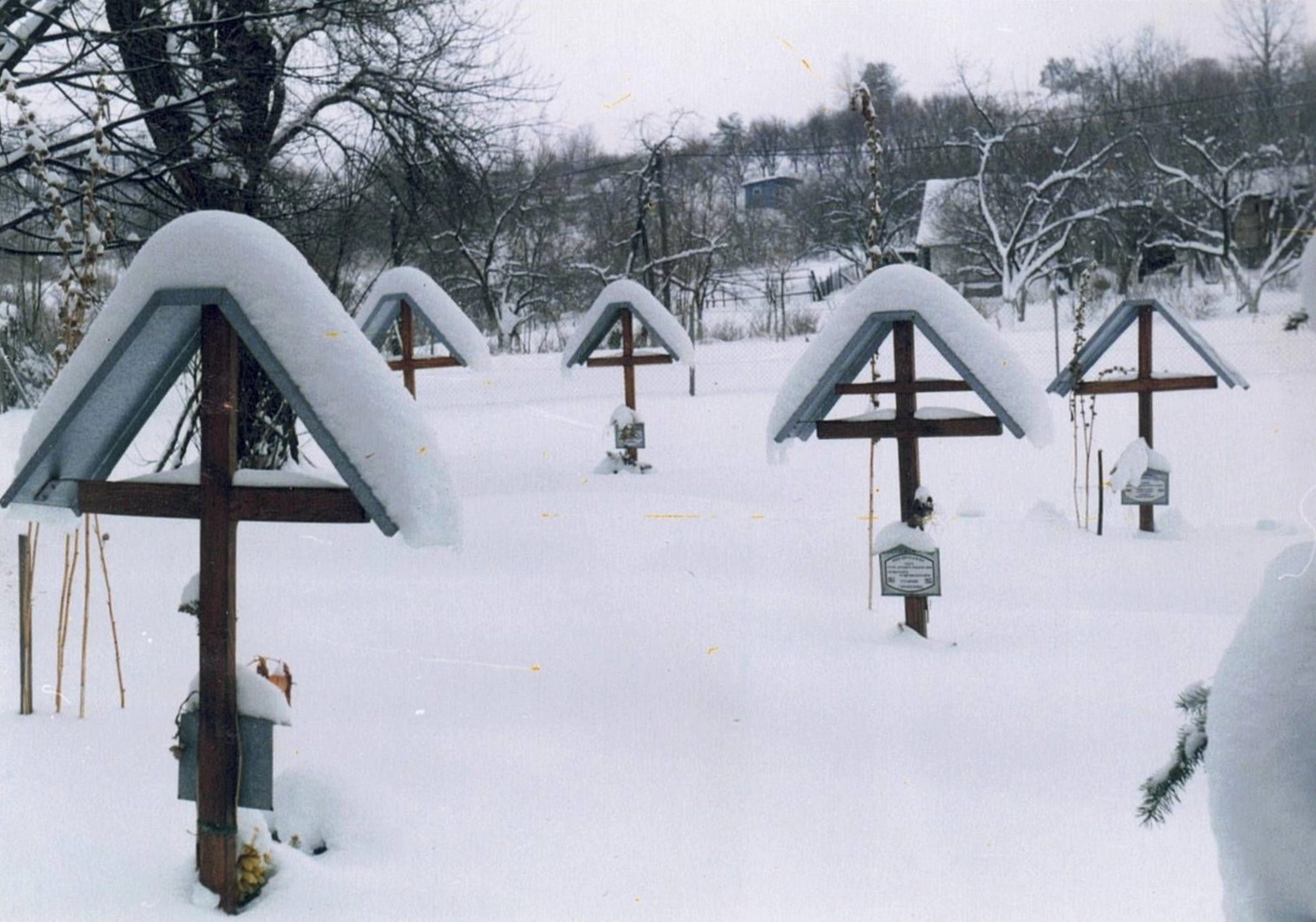
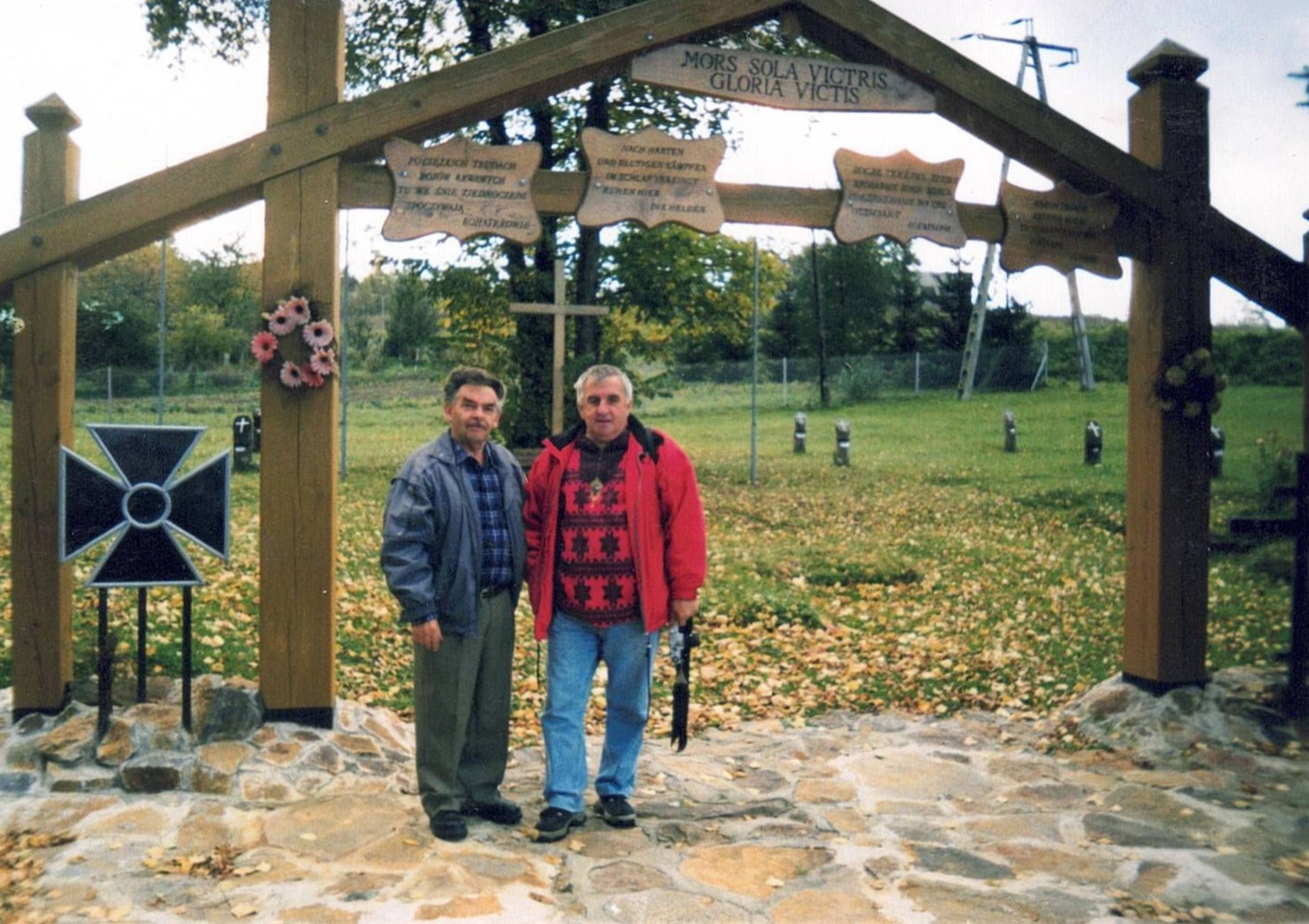
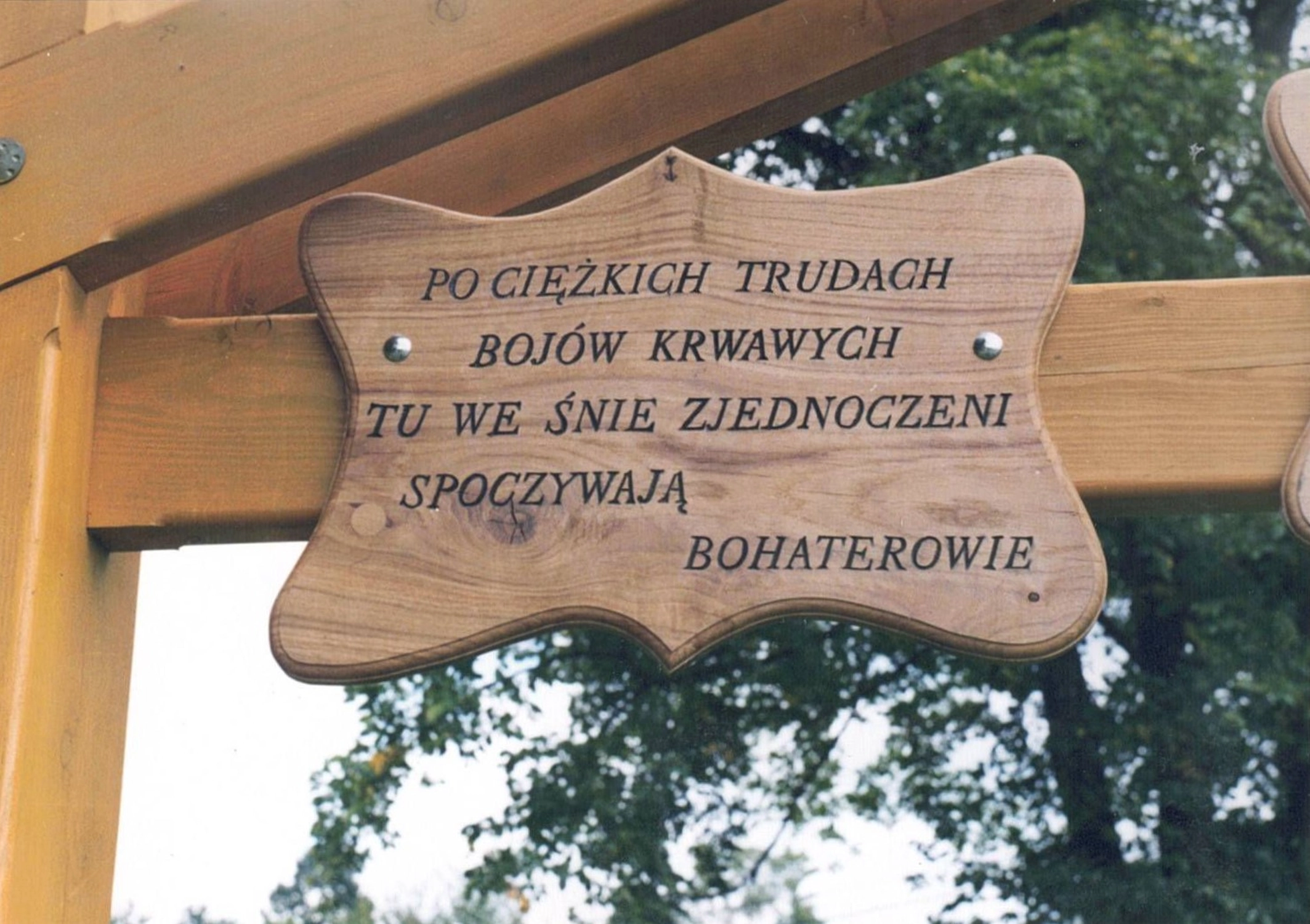
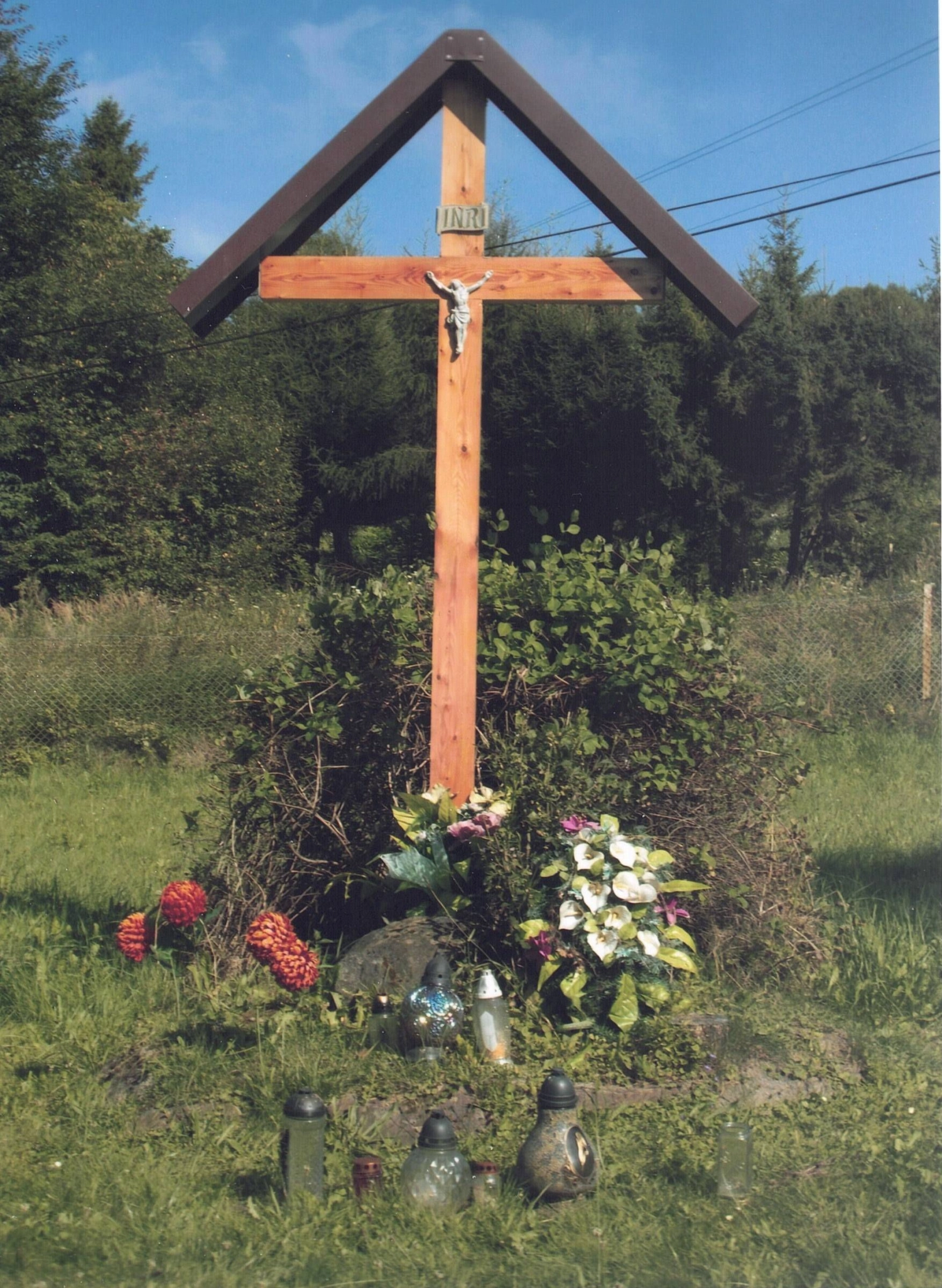
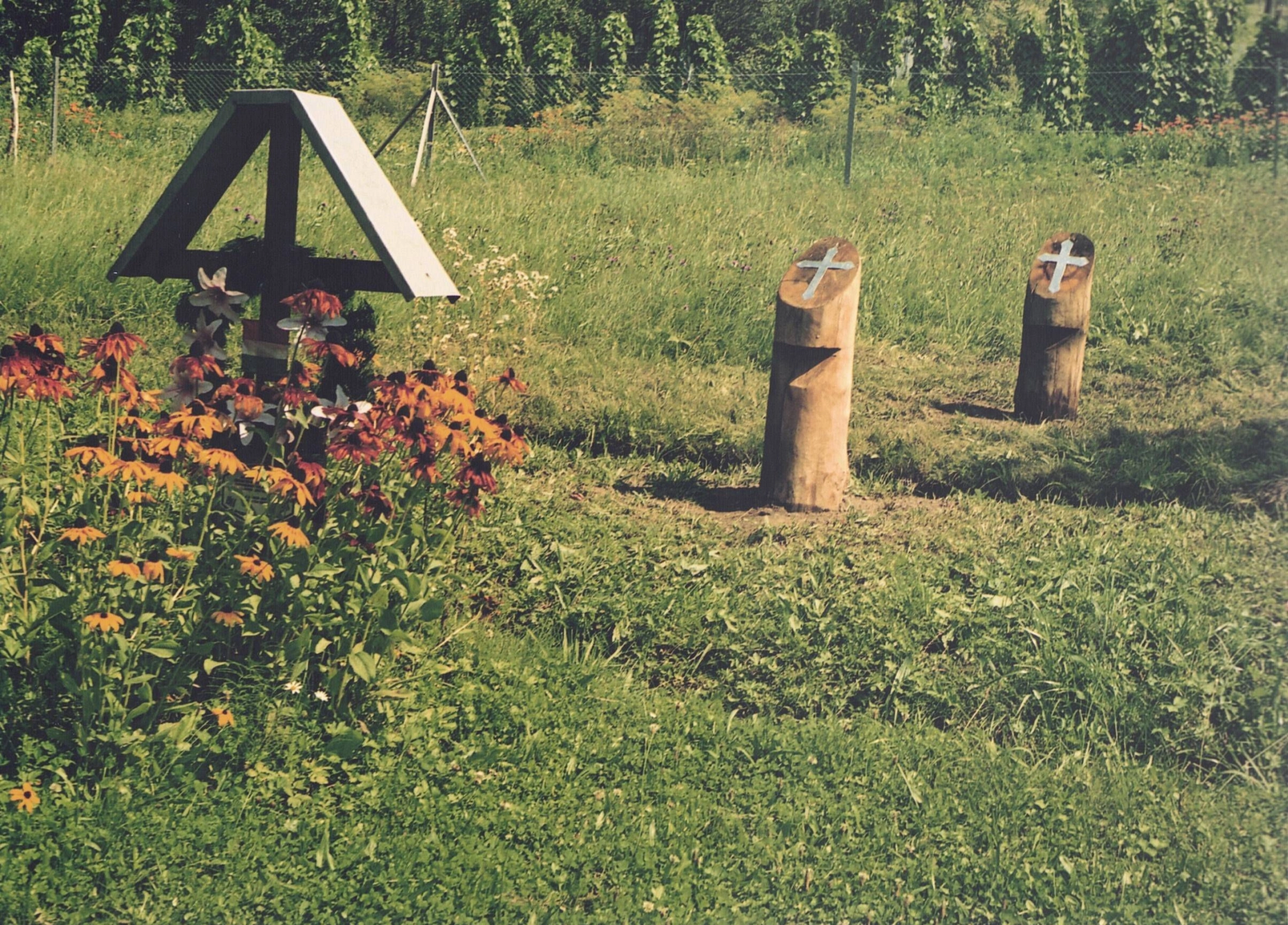
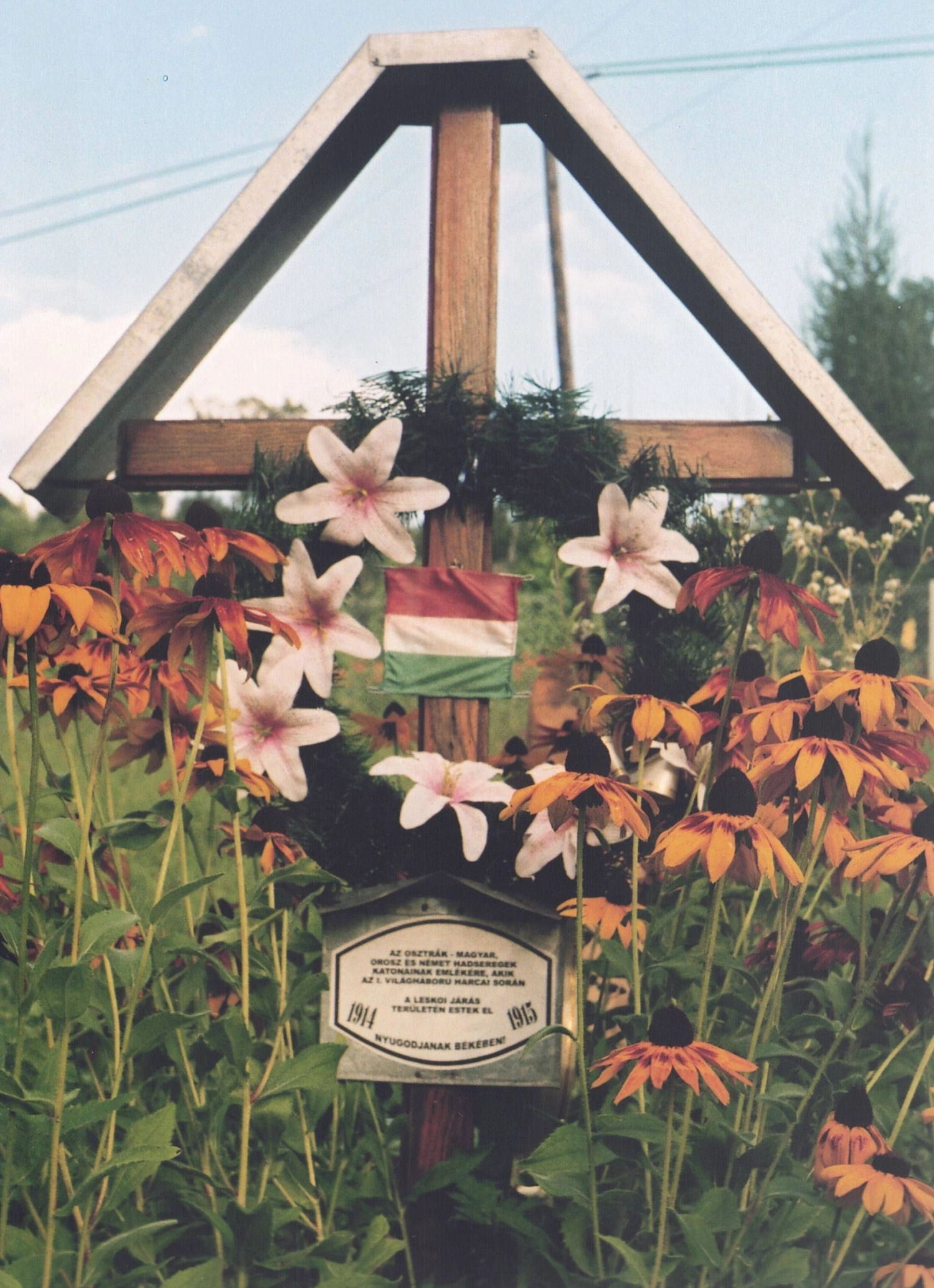
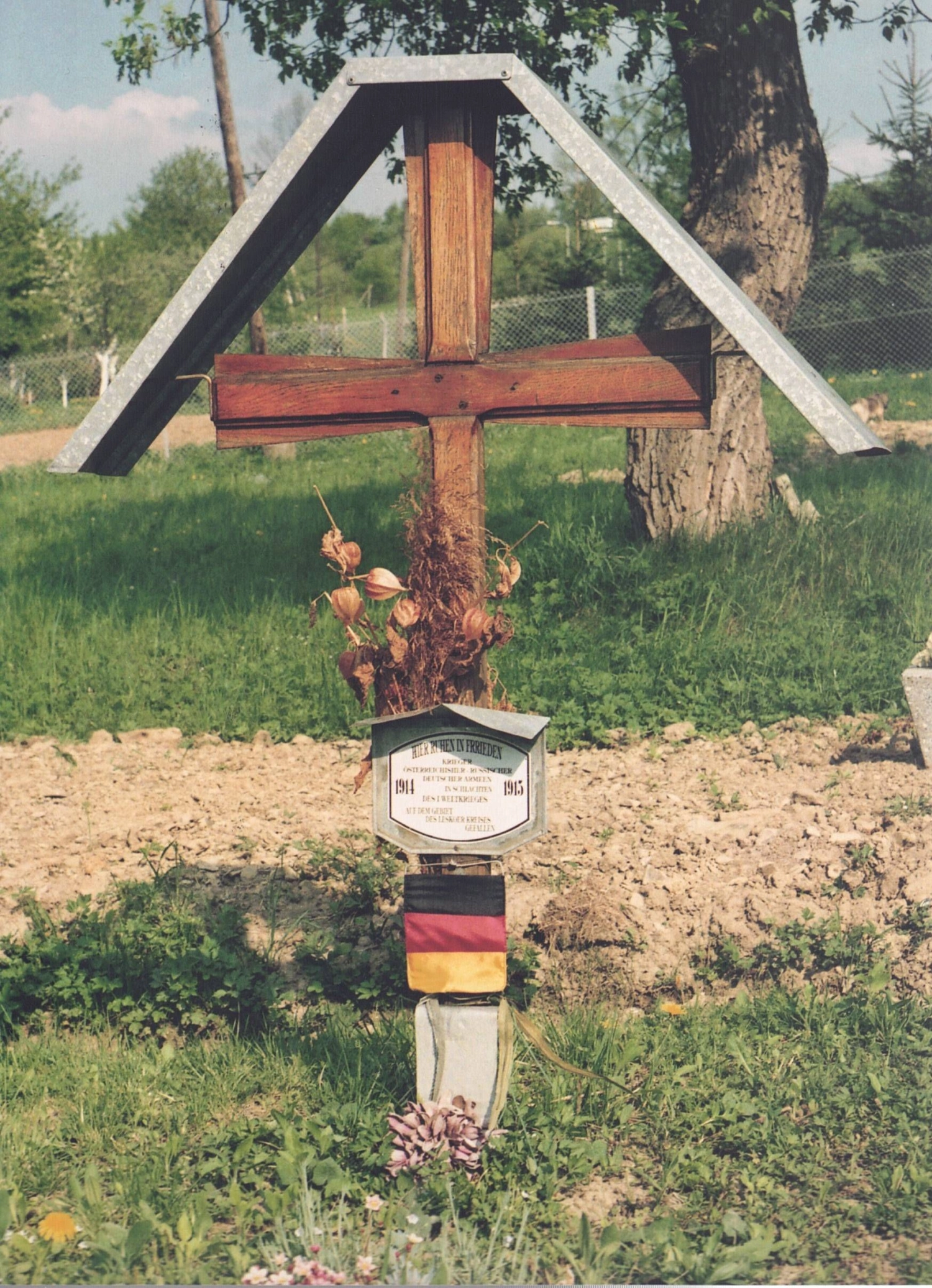
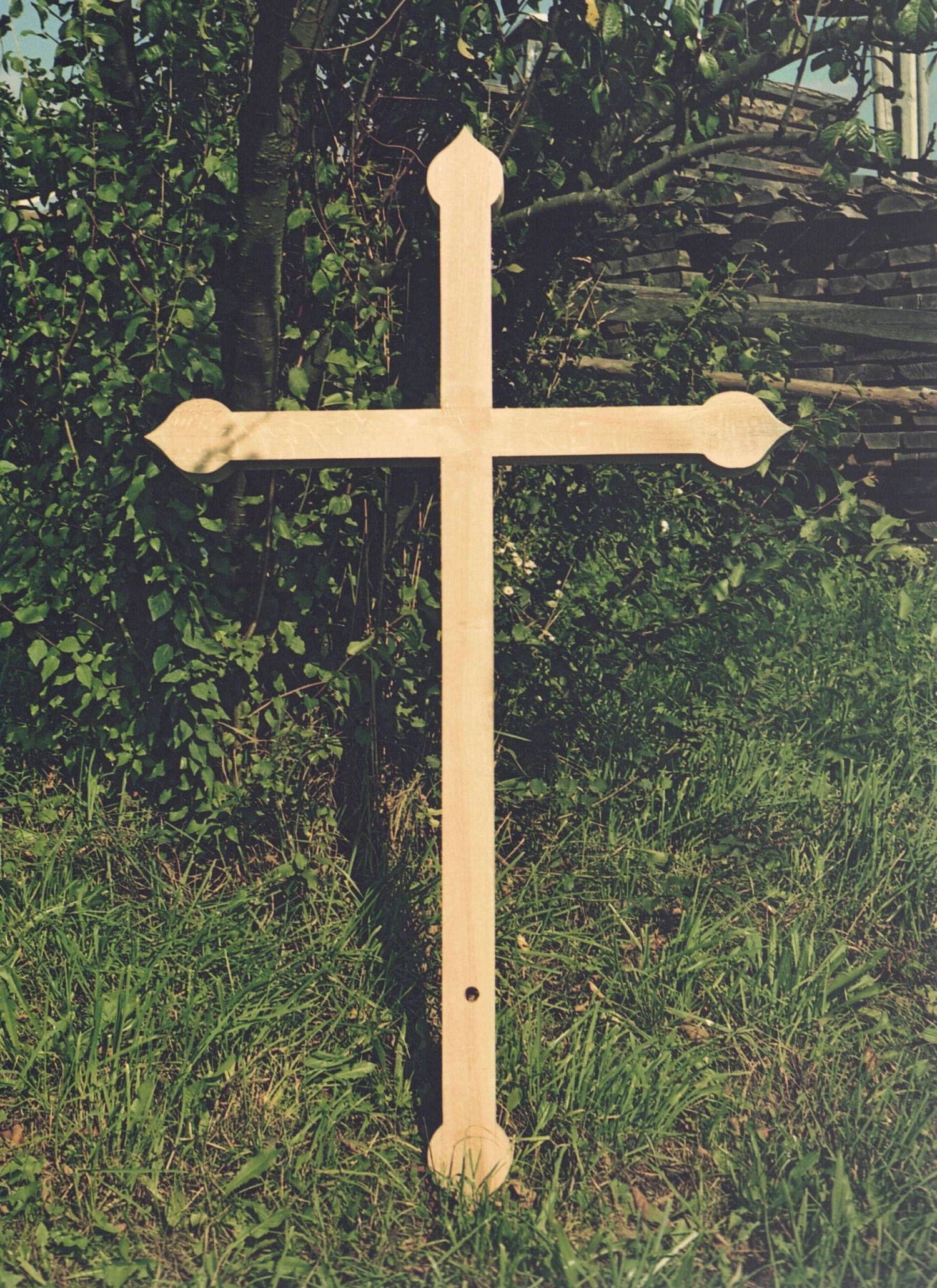
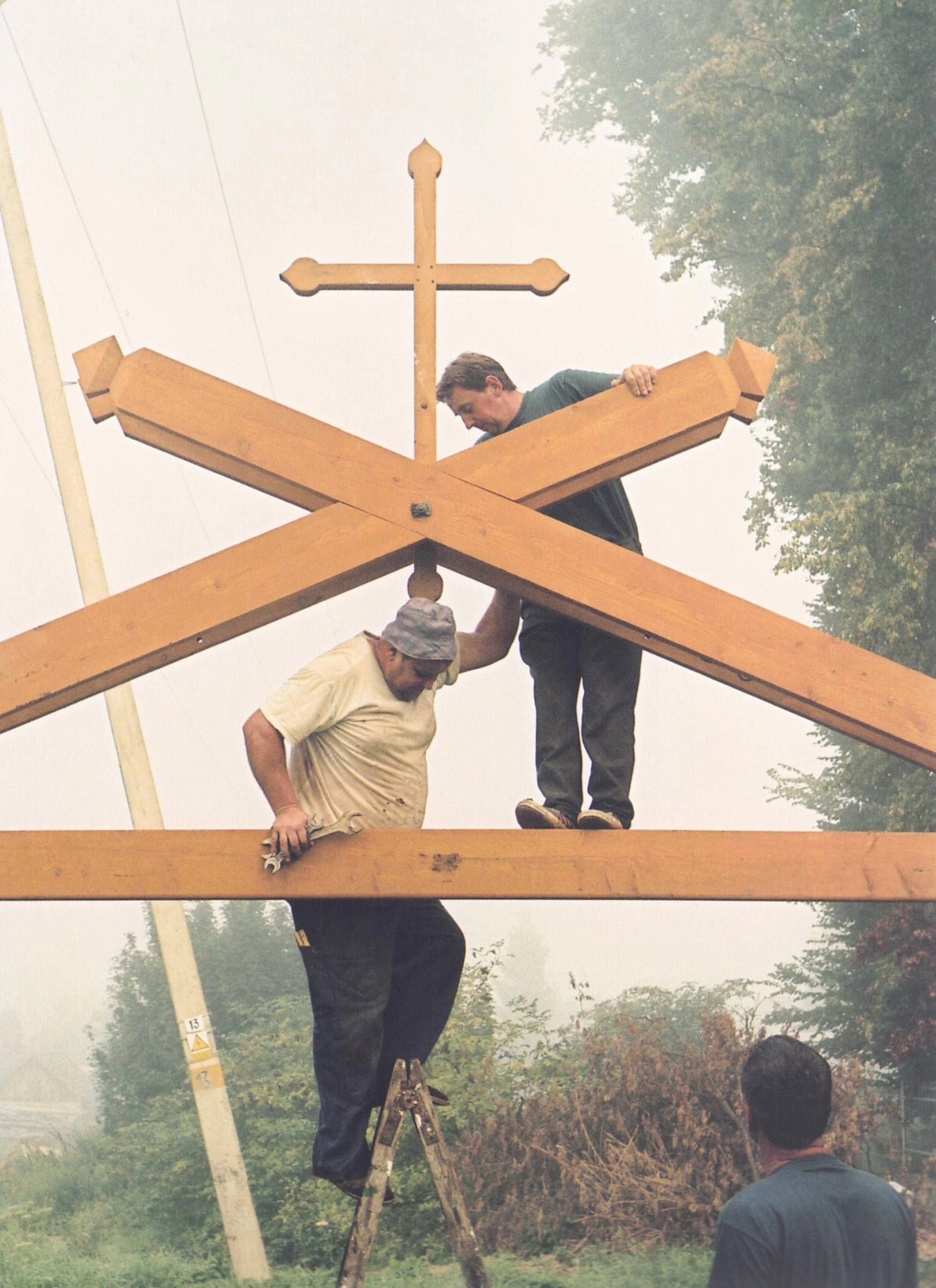
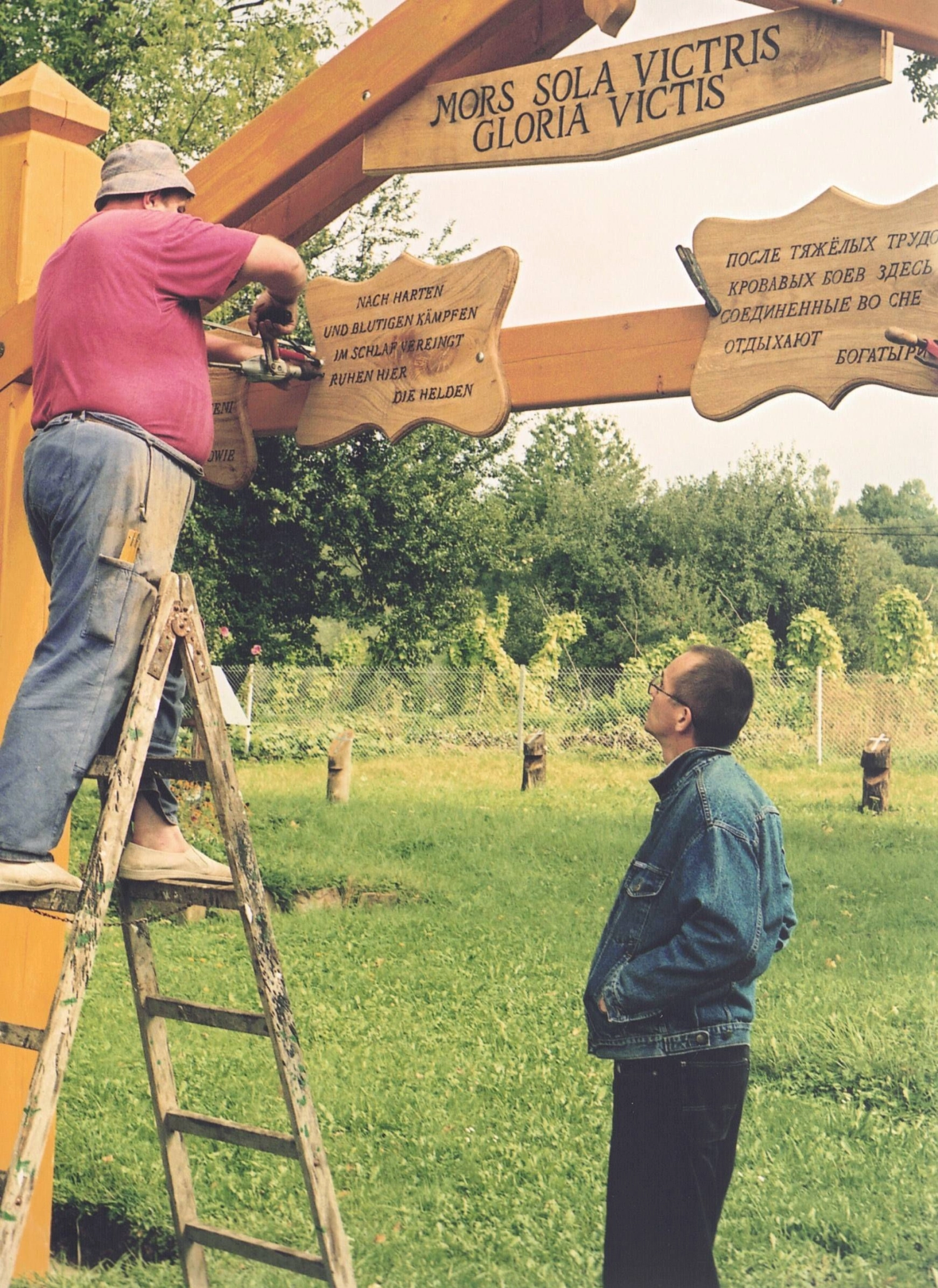
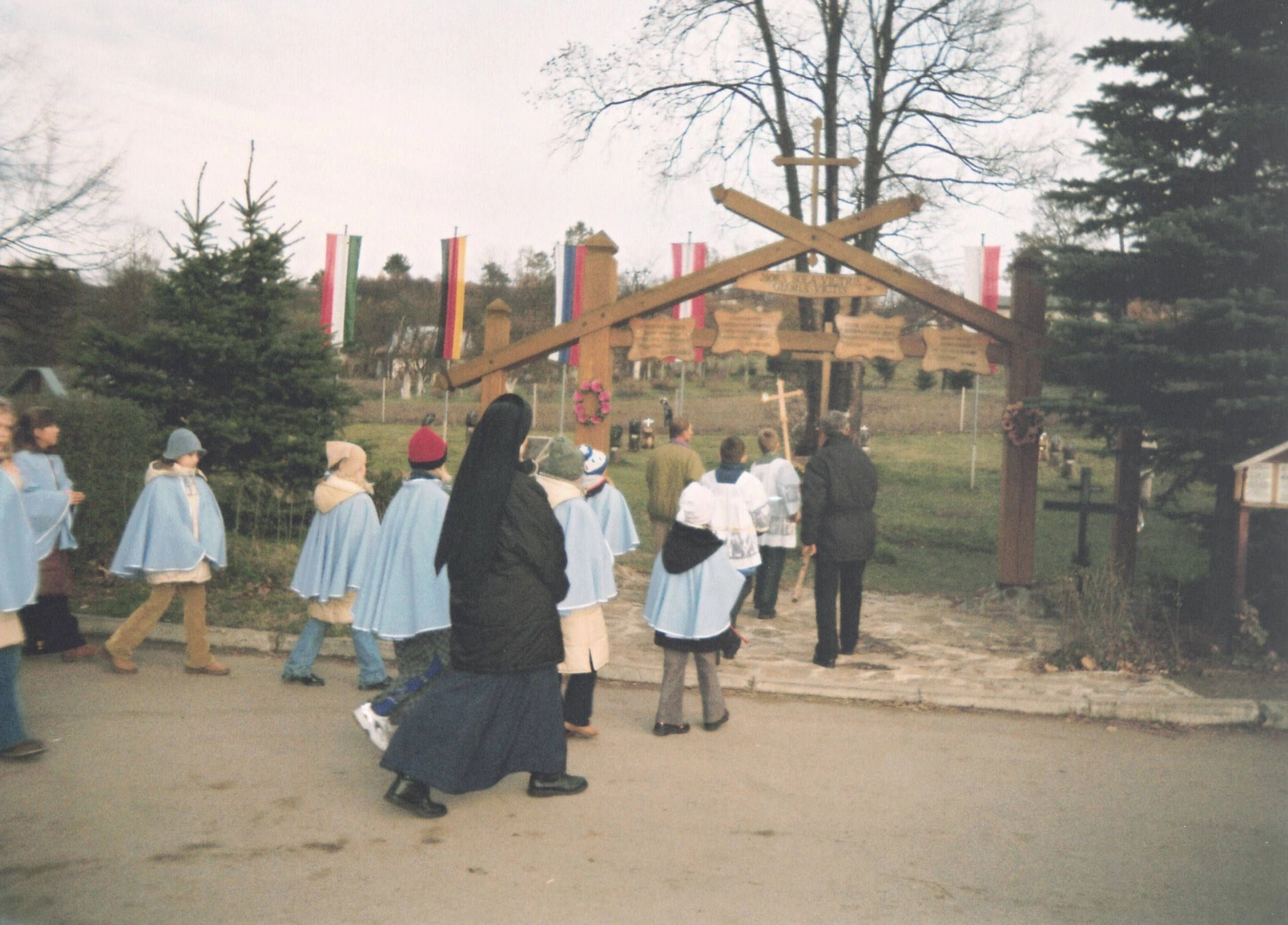
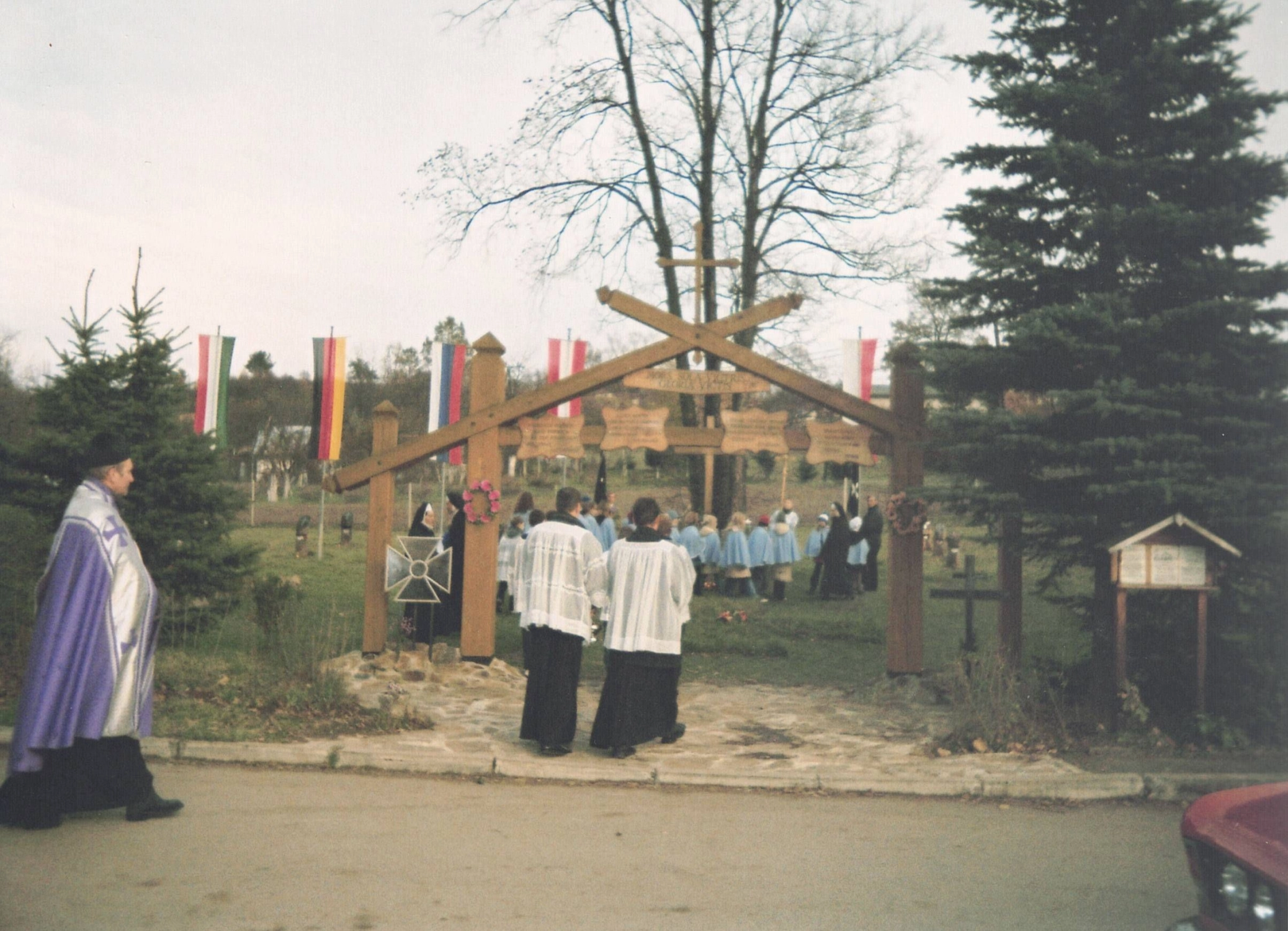
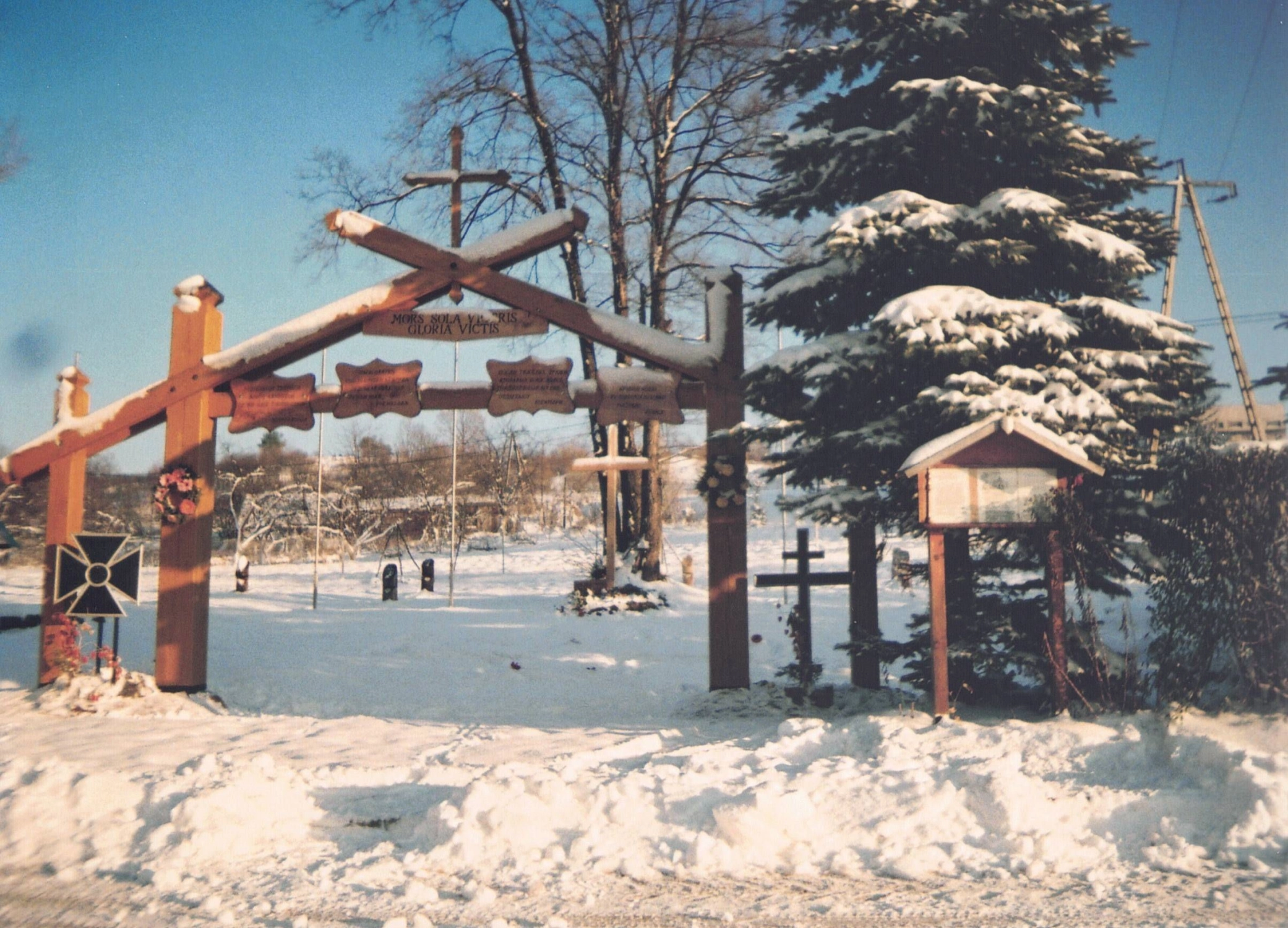
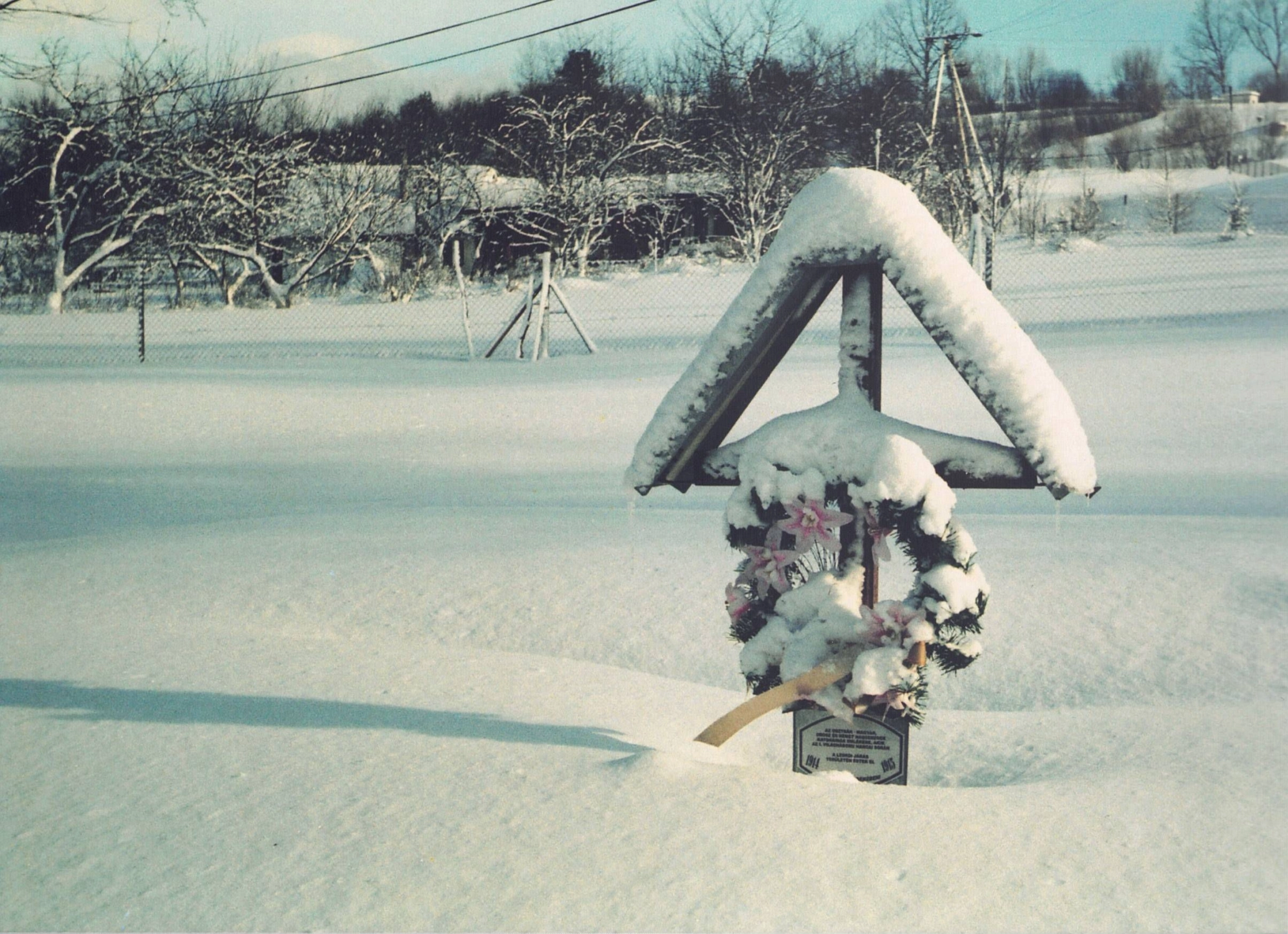
The cemetery’s design referenced military symbolism: a gate with a bayonet cross, a palisade fence, wooden and metal crosses, inscriptions in several languages. The central point was a mound with a cross and plaques commemorating the fallen.
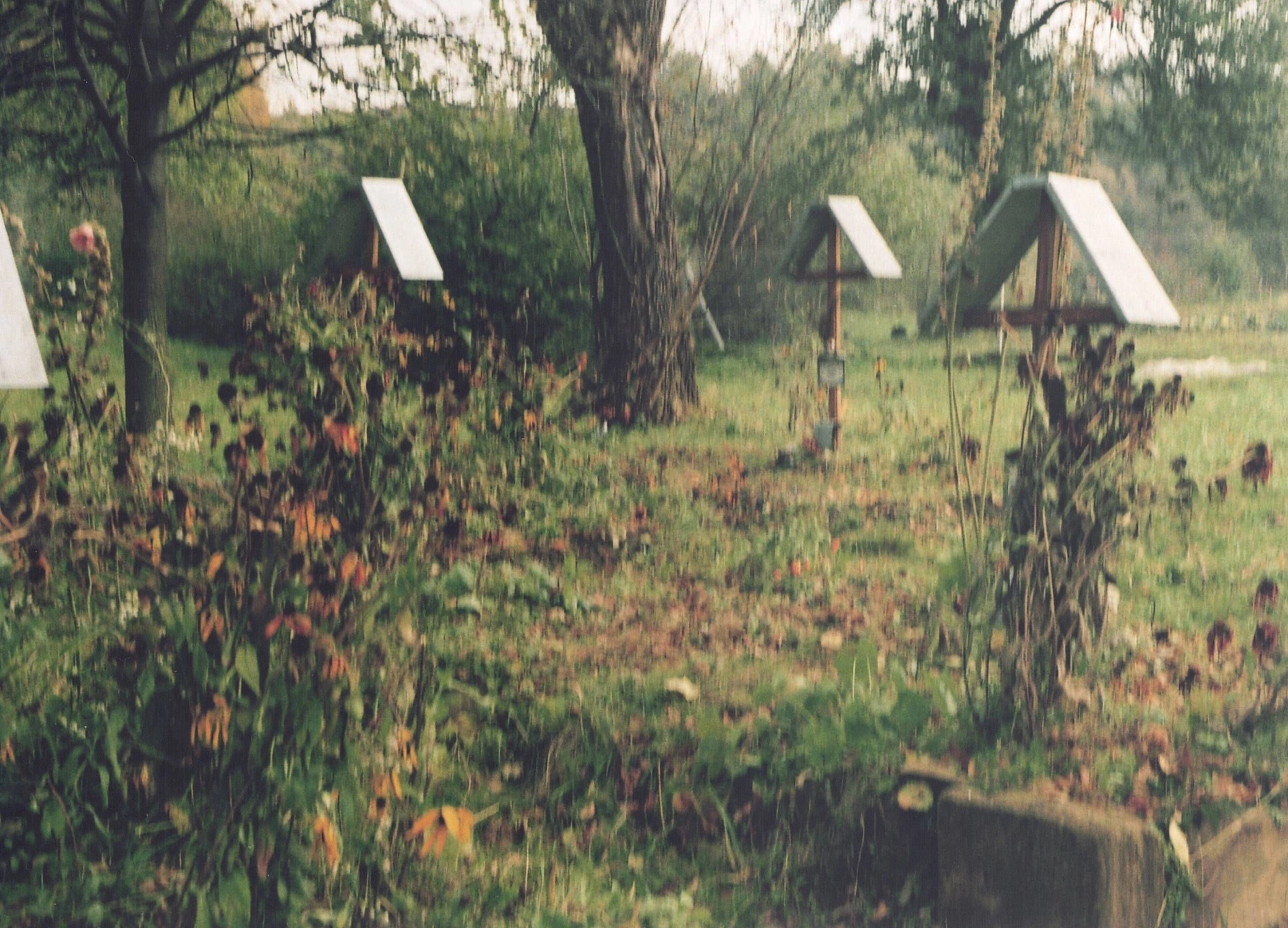
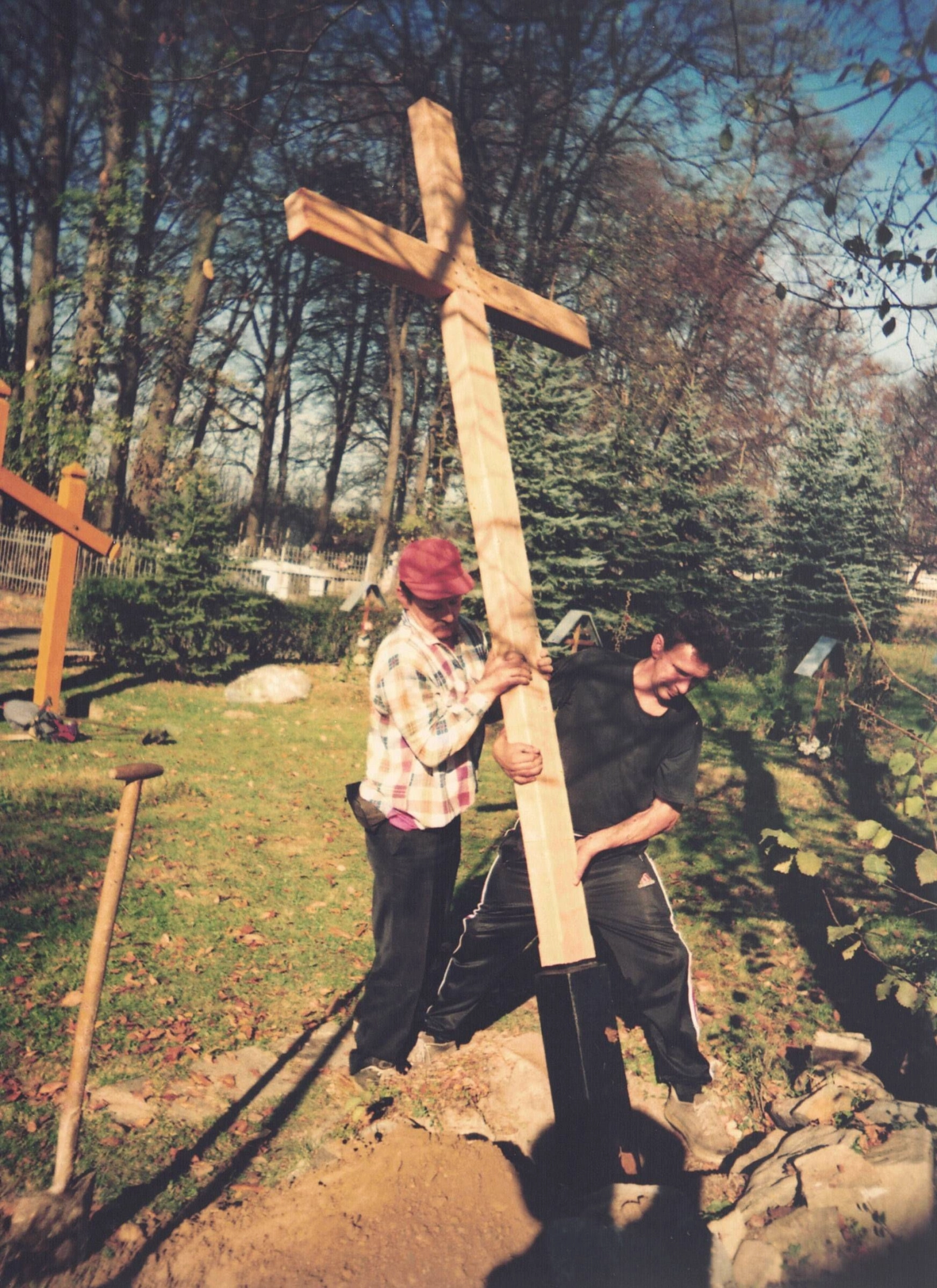
Between the wars, the site was visited by families from Central and Eastern Europe. After the war, the cemetery fell into neglect, and many graves gradually faded. Only between 1995 and 1998 were restoration works undertaken—strengthening the grounds, restoring crosses, the central mound, and some tombstones. Further reconstruction consistent with the historic appearance is ongoing.
Recognition from the Embassy of Yugoslavia
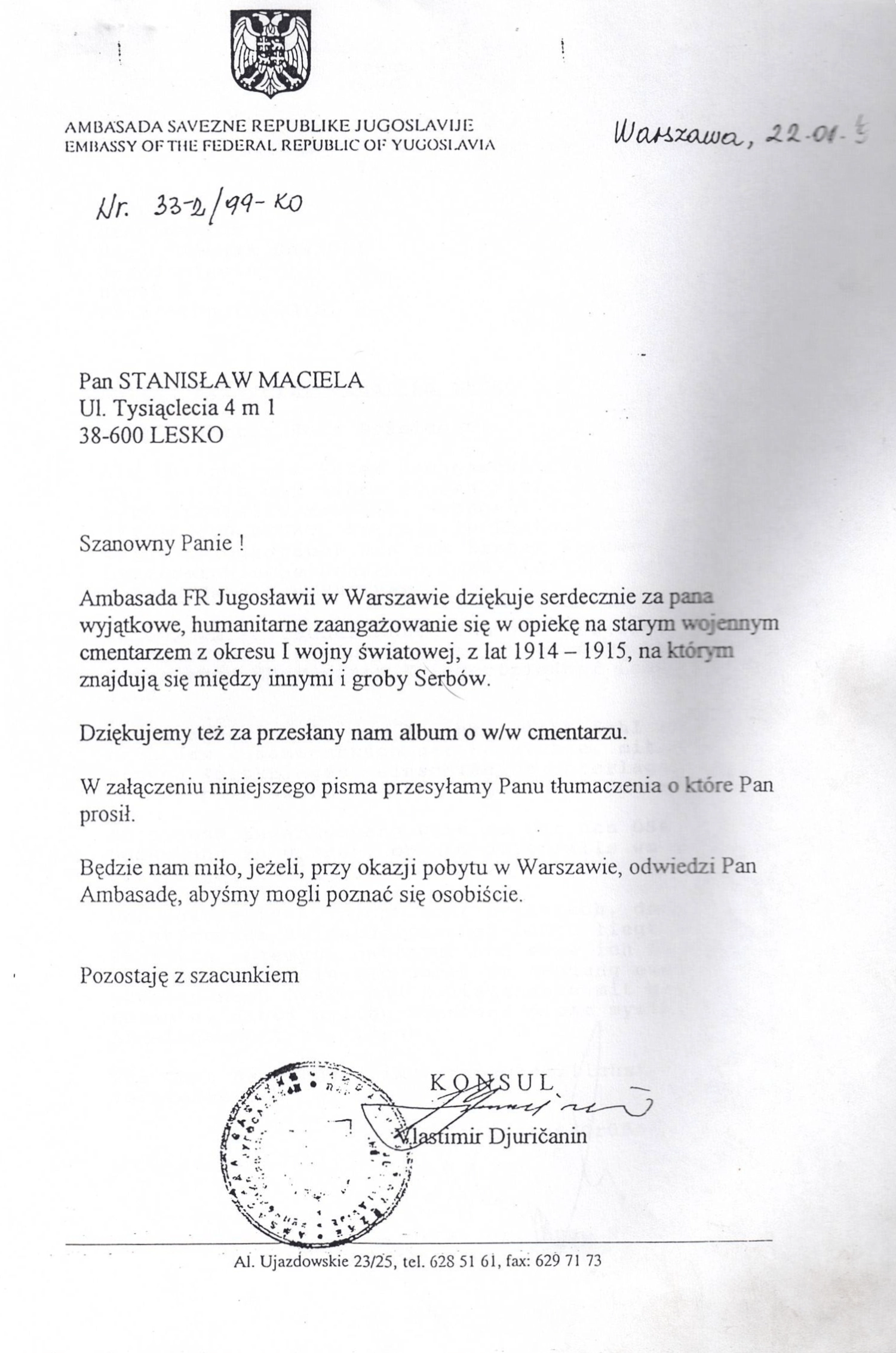
The Embassy of the Federal Republic of Yugoslavia in Warsaw repeatedly expressed gratitude for care over the war cemetery in Lesko, where Serbian soldiers who fell in 1914–1915 are also buried.
The correspondence emphasized “exceptional humanitarian commitment” and thanked for the album documenting the necropolis. The embassy also donated historic symbols—the coat of arms and flag of Serbia—and expressed a desire to meet with Mr. Stanisław Maciela.
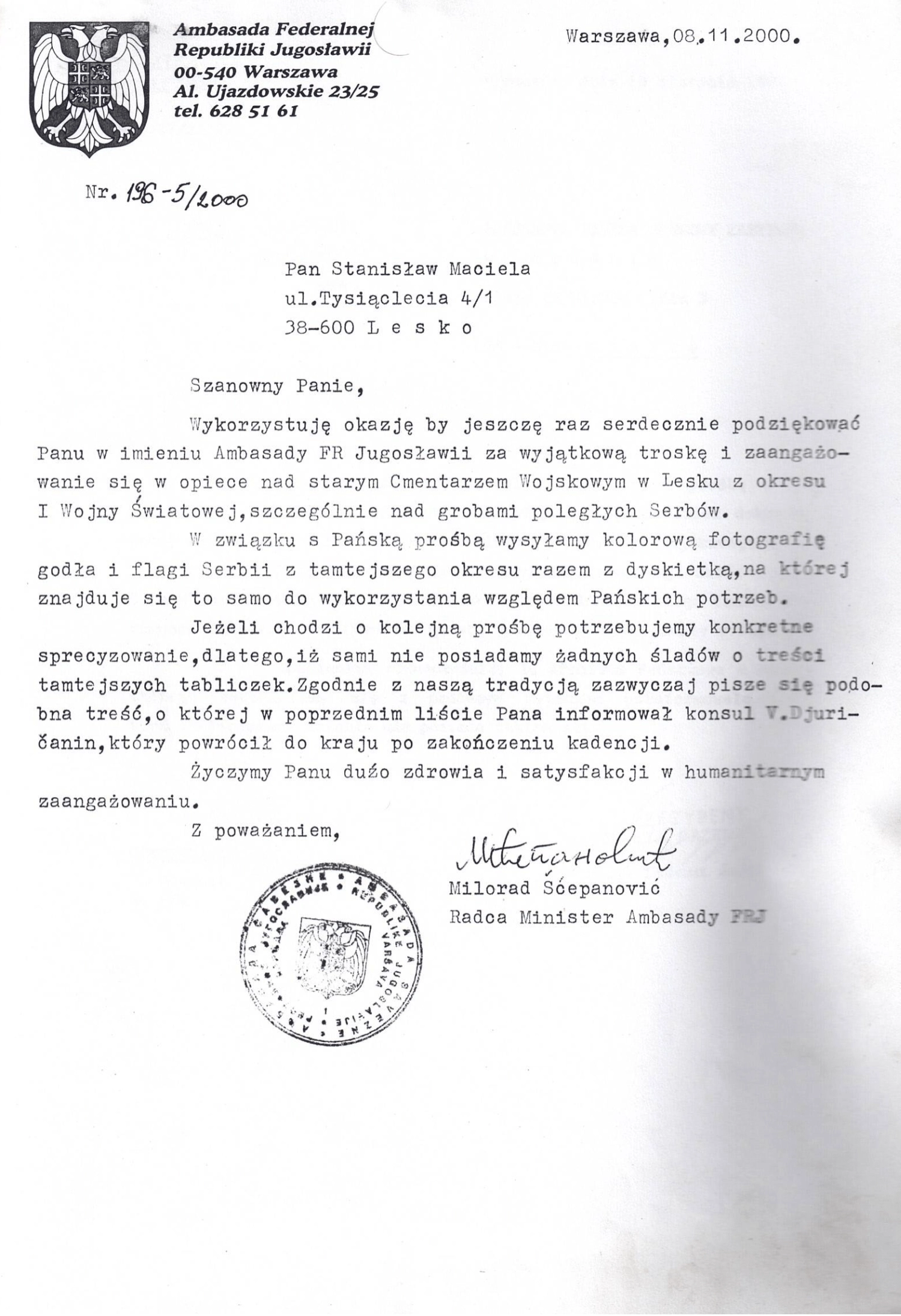
Subsequent letters, signed by Minister Counselor Milorad Šćepanović, reiterated thanks for care of Serbian graves, sent auxiliary materials, and wished health and satisfaction in further efforts.
Thanks from Volksbund Deutsche Kriegsgräberfürsorge
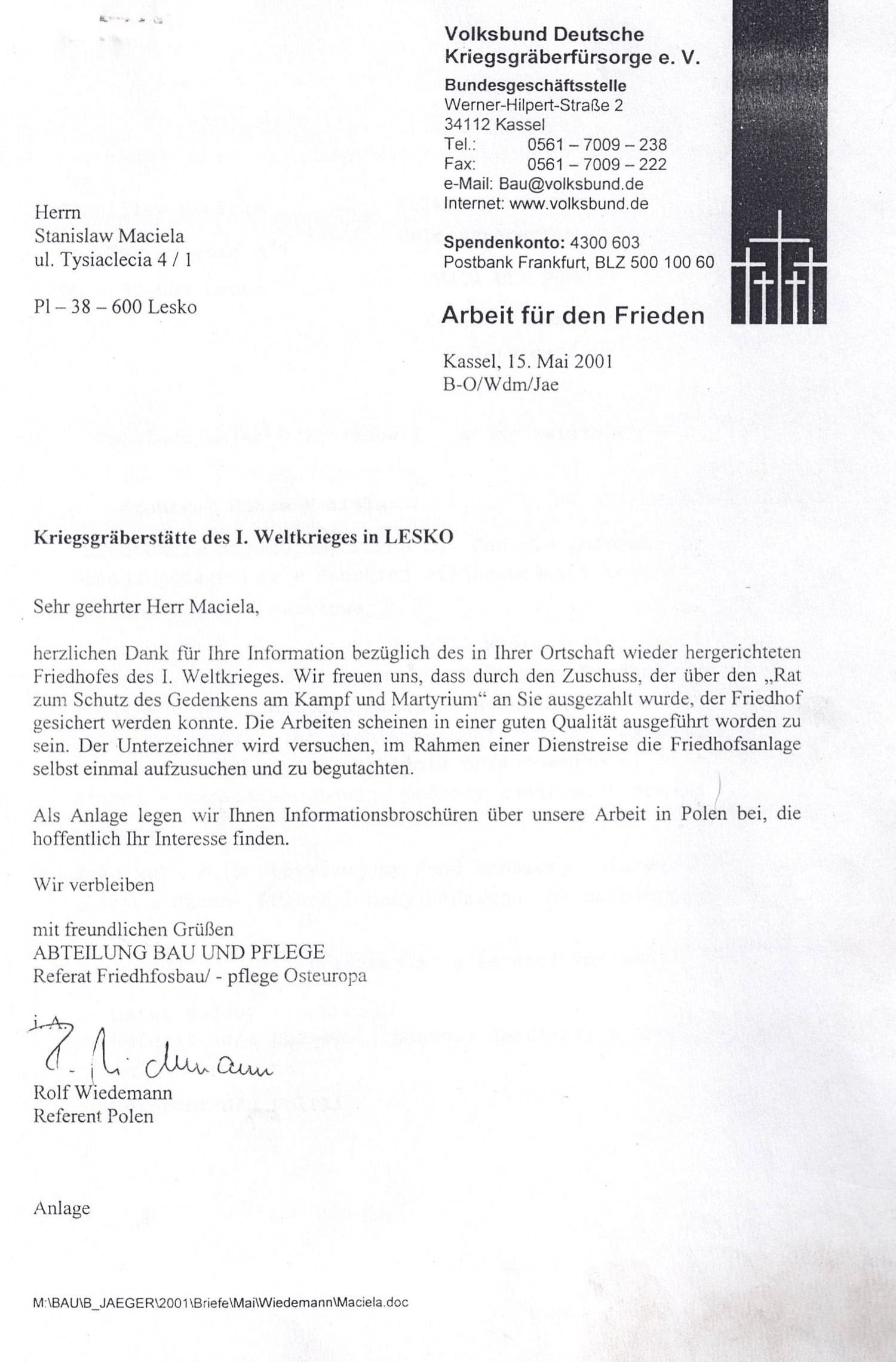
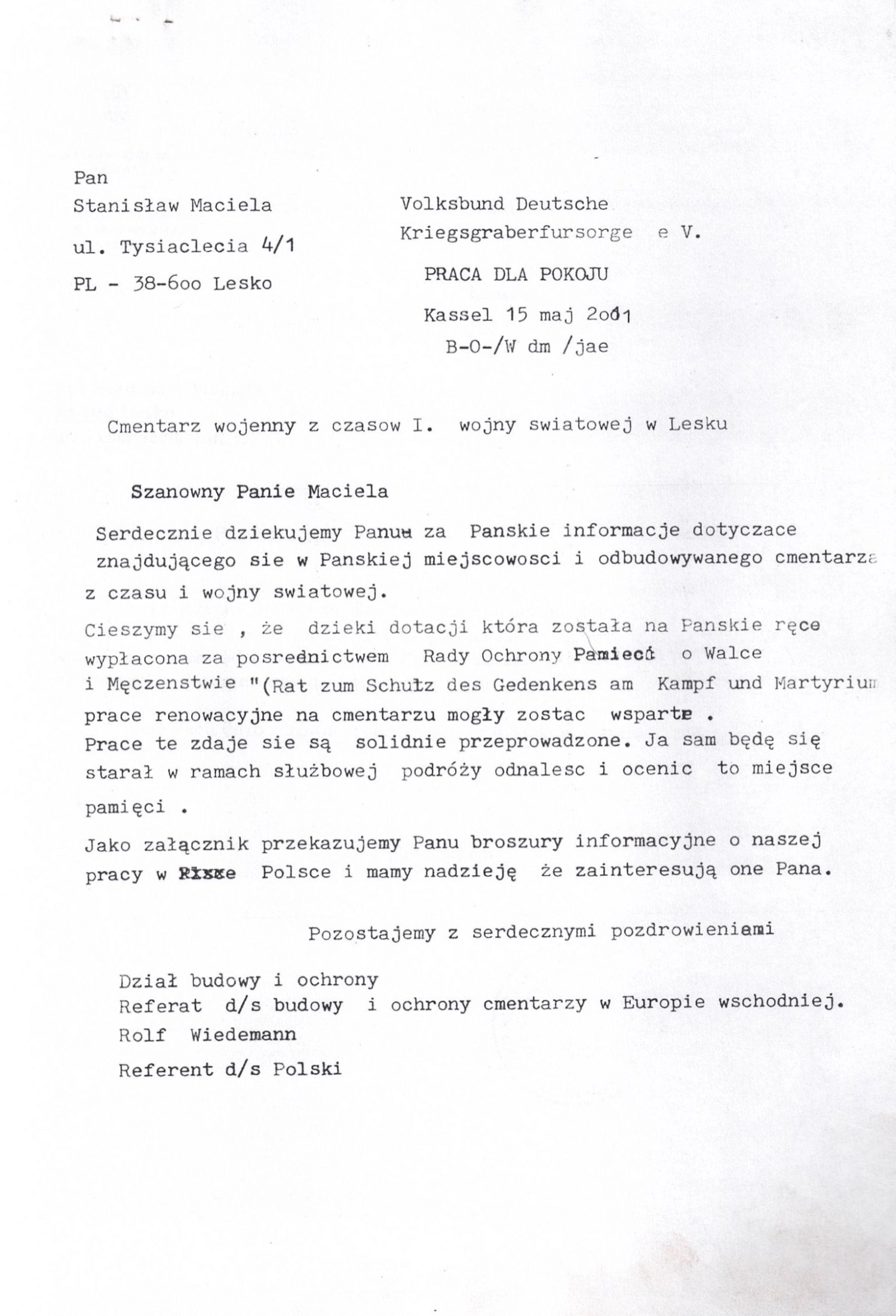
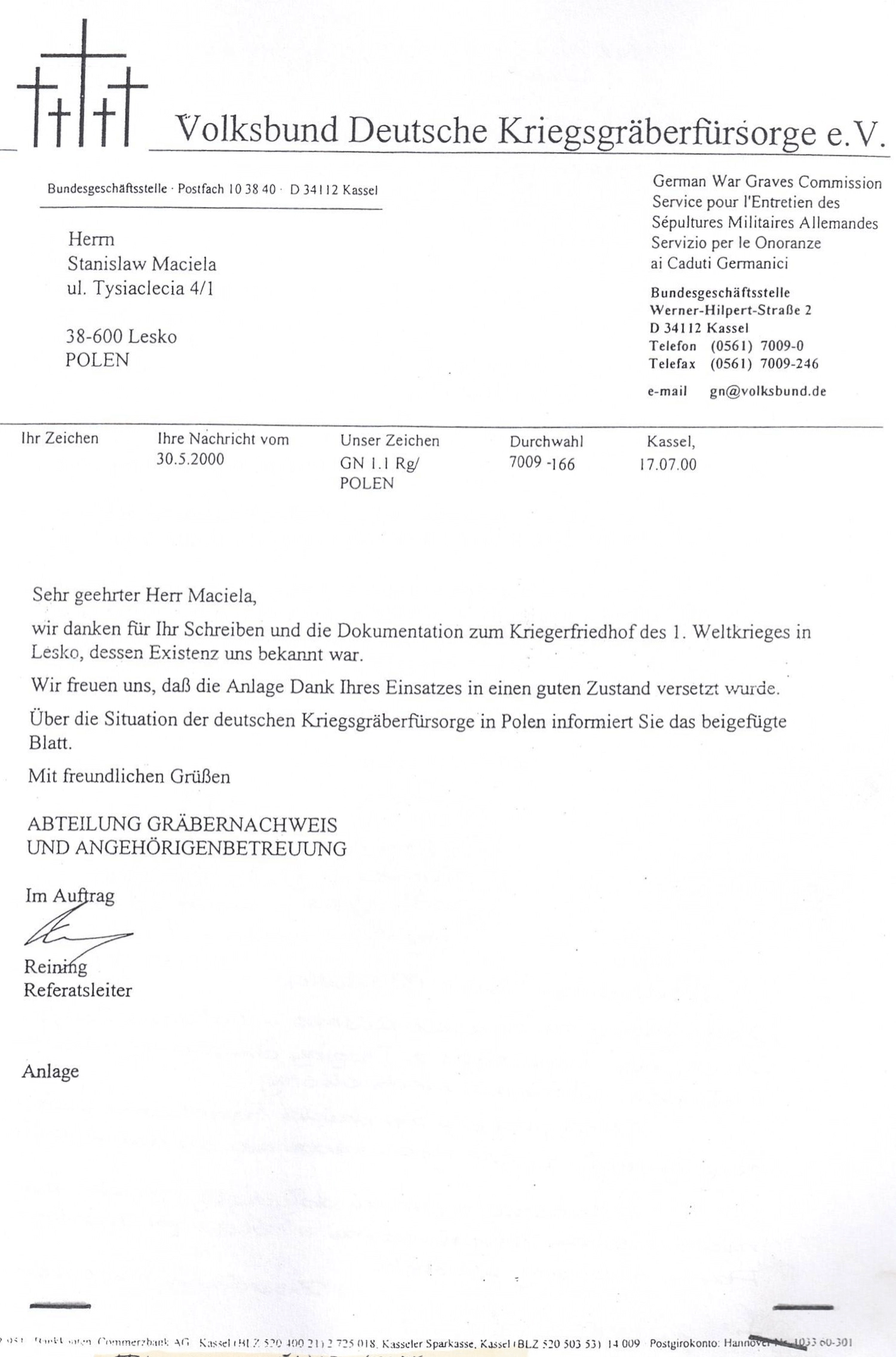
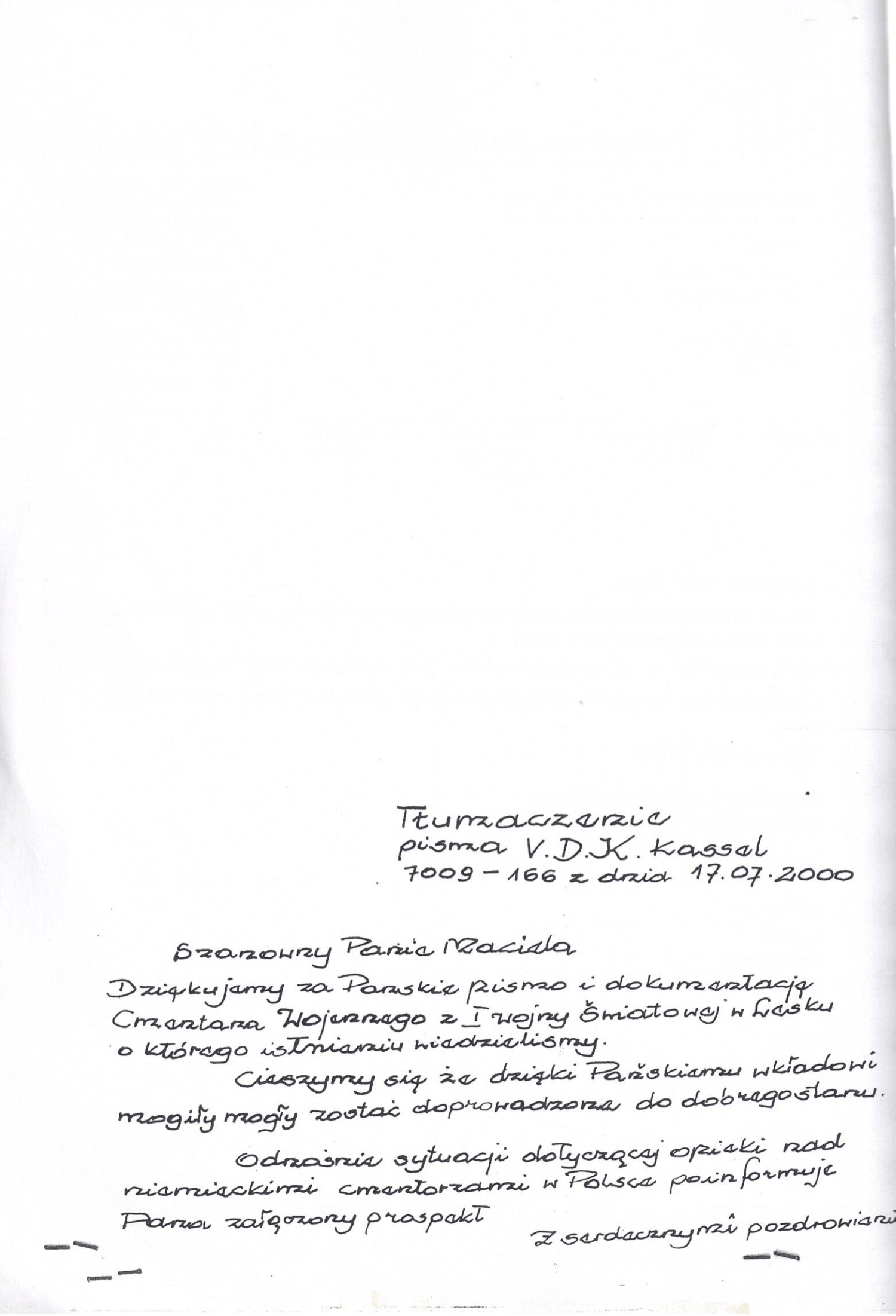
The German War Graves Commission (Volksbund) in 2000–2001 sent sincere thanks for activities related to the restoration of the World War I cemetery in Lesko.
The organization expressed appreciation for the provided information and informed about financial support granted for renovation works, which were described as thoroughly conducted. A Volksbund representative also announced an official visit to personally familiarize themselves with the memorial site.
Separate correspondence noted that thanks to Mr. Stanisław Maciela’s involvement, the graves have been restored to a dignified condition. Informational brochures about Volksbund’s activities in Poland were attached to the letters.
Memories of the War Cemetery in Lesko
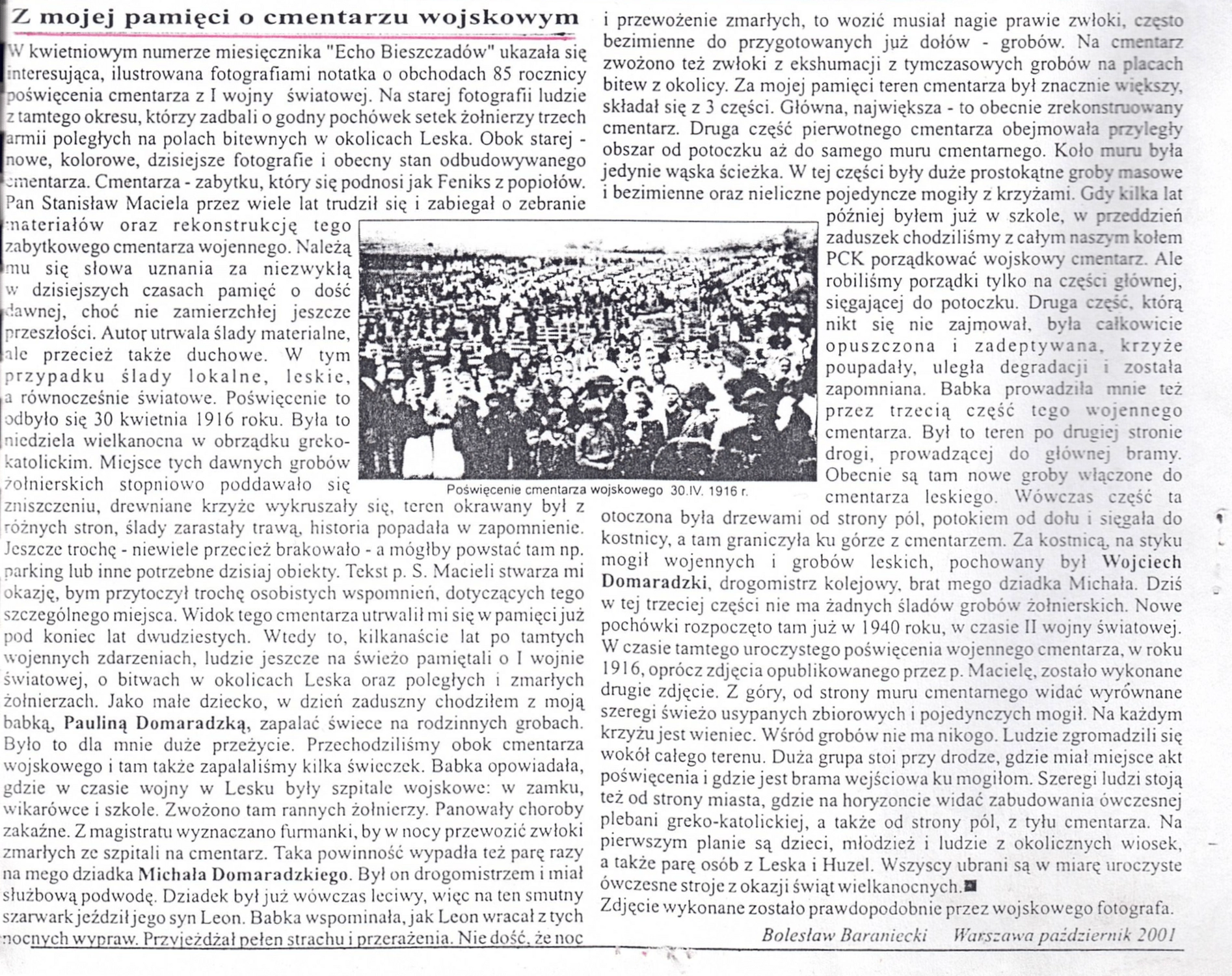
An article published in “Echo Bieszczadów” in 2001 mentioned the 85th anniversary of the consecration of the war cemetery in Lesko. Memories by Bolesław Baraniecki, dating back to the 1920s, reflect not only the historical but also the personal value of this place.
As a child, Mr. Baraniecki visited the cemetery with his grandmother, Paulina Domaradzka, who told him about the military hospitals operating in Lesko during World War I. The deceased soldiers—often unnamed—were transported at night to the war cemetery. This sad duty was carried out by his grandfather, Michał Domaradzki, and later his son Leon. The author recalls how these night carriers returned with difficulty, overwhelmed by the grim situation.
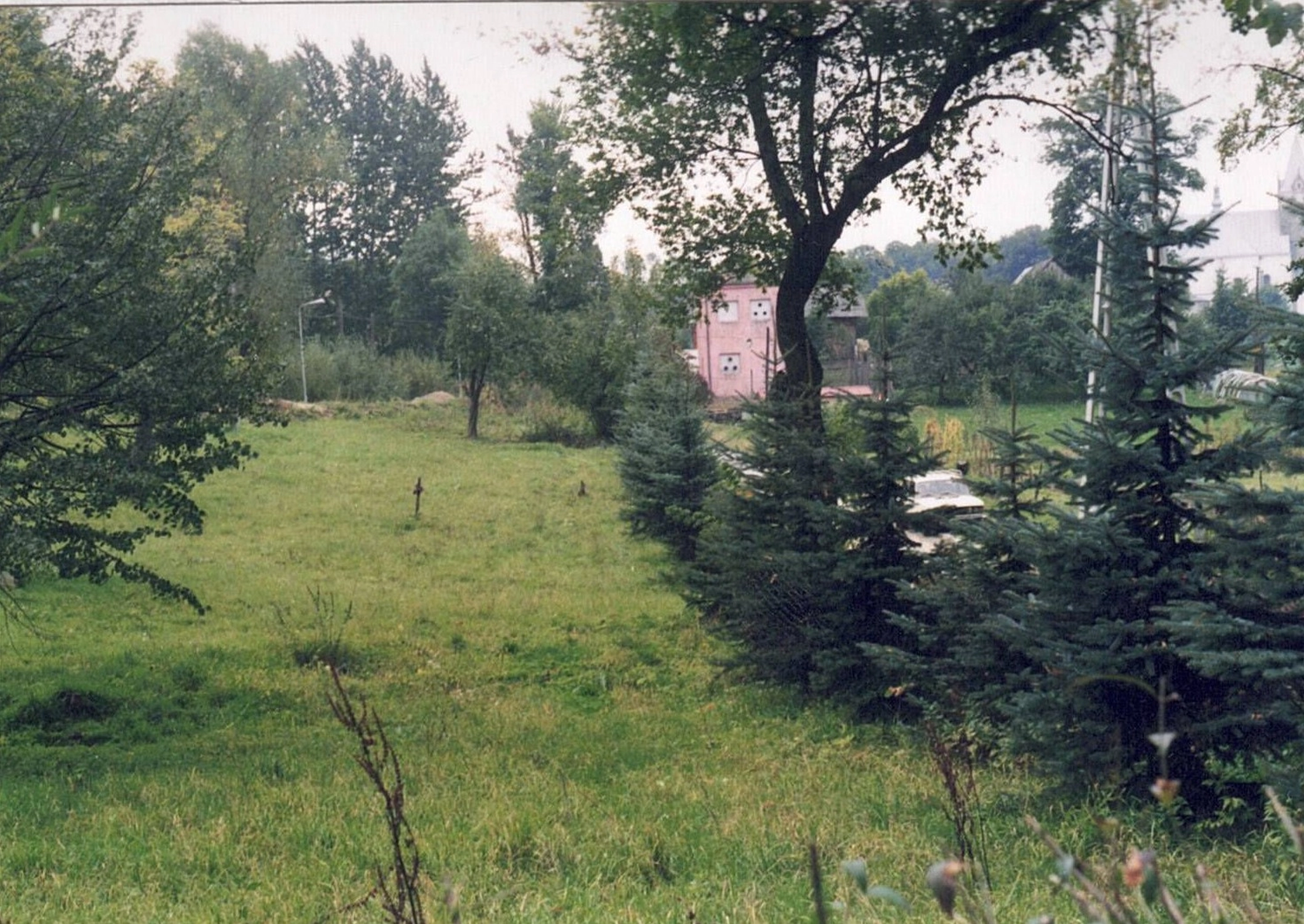
The cemetery, now undergoing renovation, originally consisted of three sections. Besides the main area visible today, there were two other plots—one reaching a stream and another across the road where new burials are now located. These former, often collective soldiers’ graves gradually fell into oblivion—overgrown by grass, crosses toppled, and history erased the traces.
Baraniecki emphasizes that thanks to Stanisław Maciela’s work, this exceptional cemetery “rises like a Phoenix from the ashes” — not only its structure but also the memory of those who gave their lives on the World War I fronts has been preserved.
Poetic Tribute to the Fallen
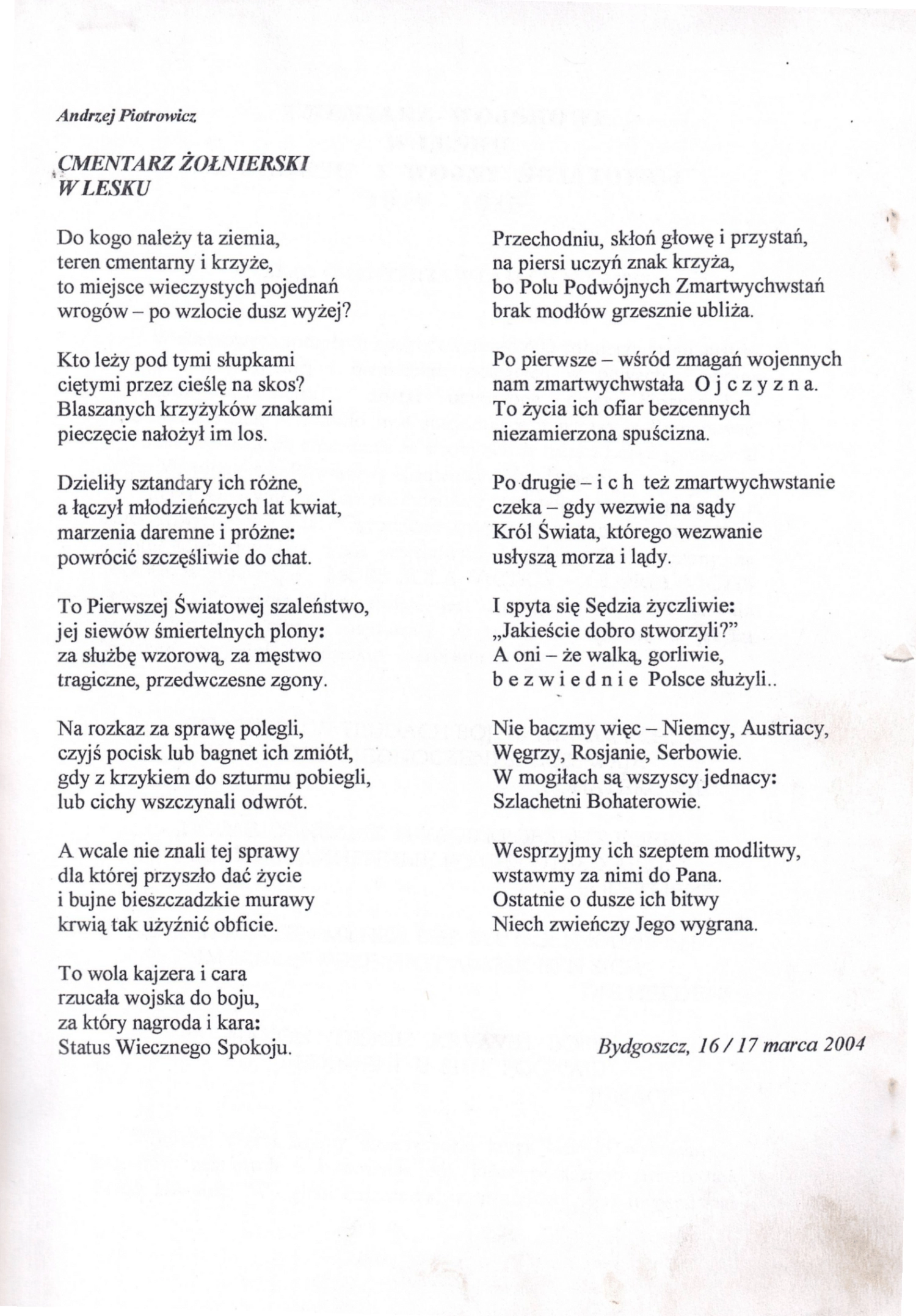
The poem by Andrzej Piotrowicz is a deeply moving tribute to soldiers of various nationalities resting in the Lesko war cemetery from World War I. The poet questions the meaning of the soldiers’ deaths, who often unknowingly gave their lives for foreign empires—not knowing the cause nor the land where they died.
The land of the Lesko cemetery is depicted as a place of reconciliation of former enemies united in a common sacrifice. Piotrowicz evokes the image of a “field of double resurrections”: for Poland, which was born after the war, and for the souls of the fallen awaiting the final judgment.
The poem reminds that regardless of nationality—German, Austrian, Russian, Serbian, or Hungarian—all are buried here as equals, as Heroes. The poet calls on passersby to pause for reflection and prayer, to quietly honor their sacrifice, which was also—though unknowingly—for free Poland.
Voice of the Muslim Community
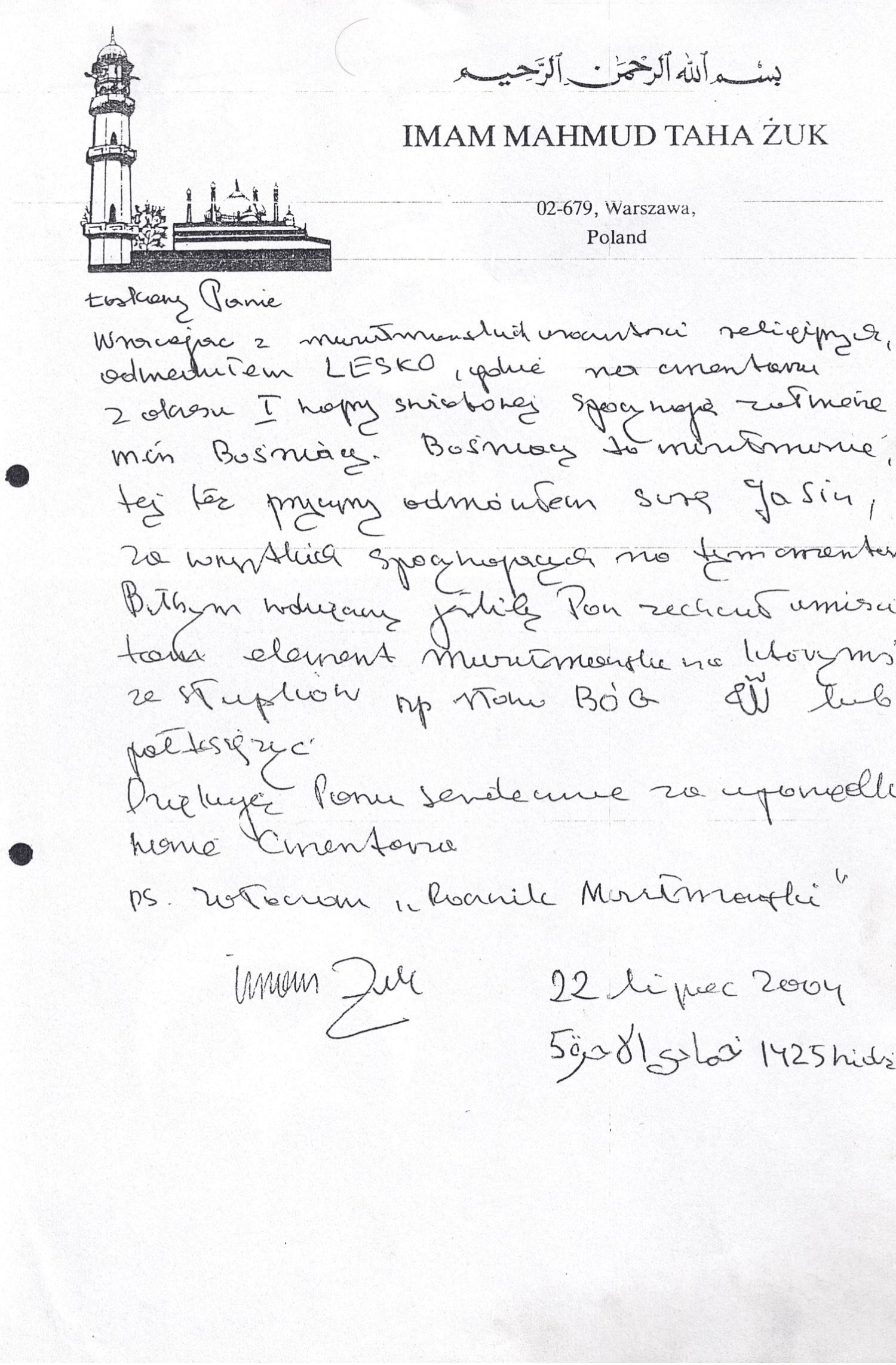
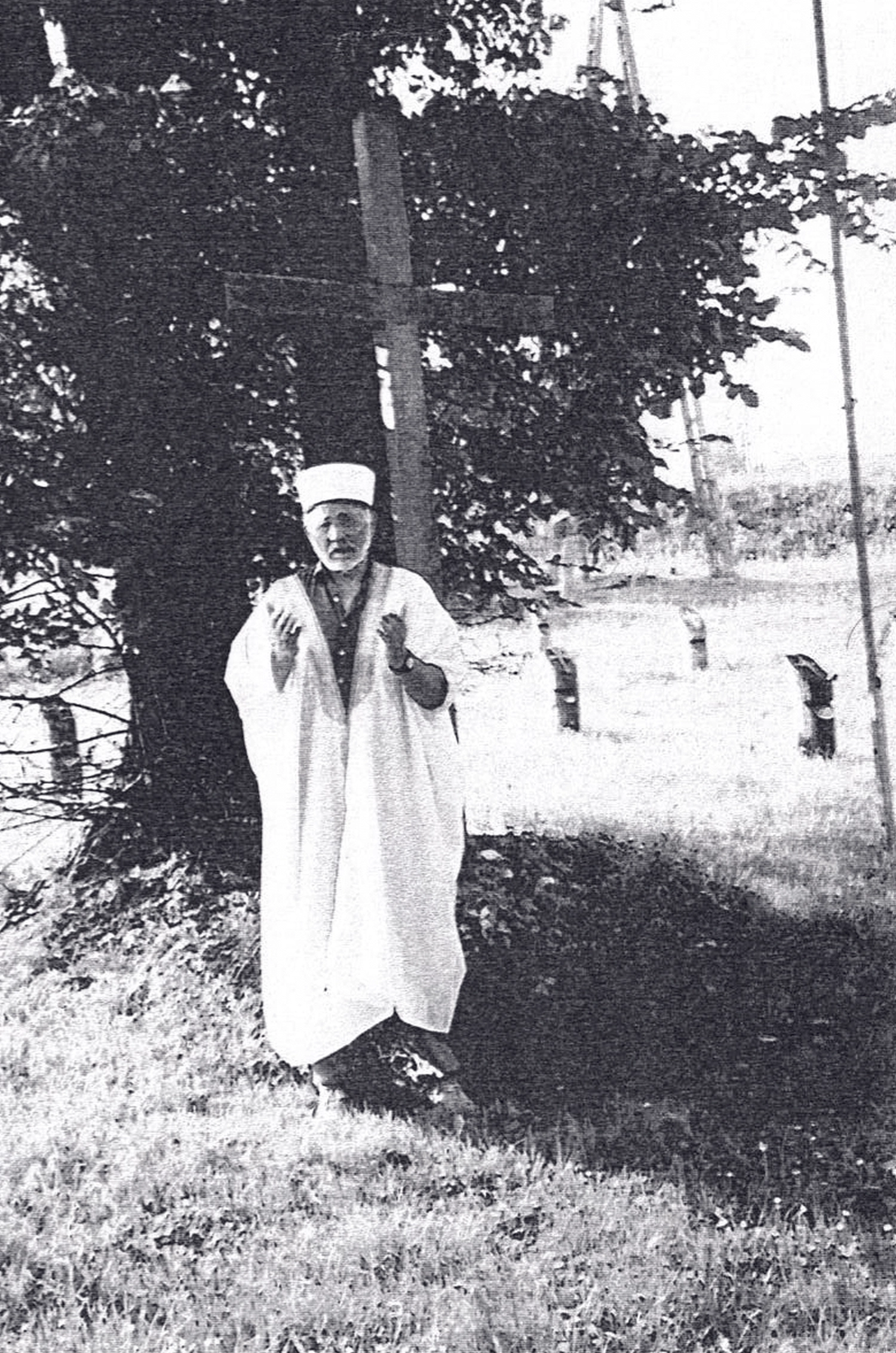
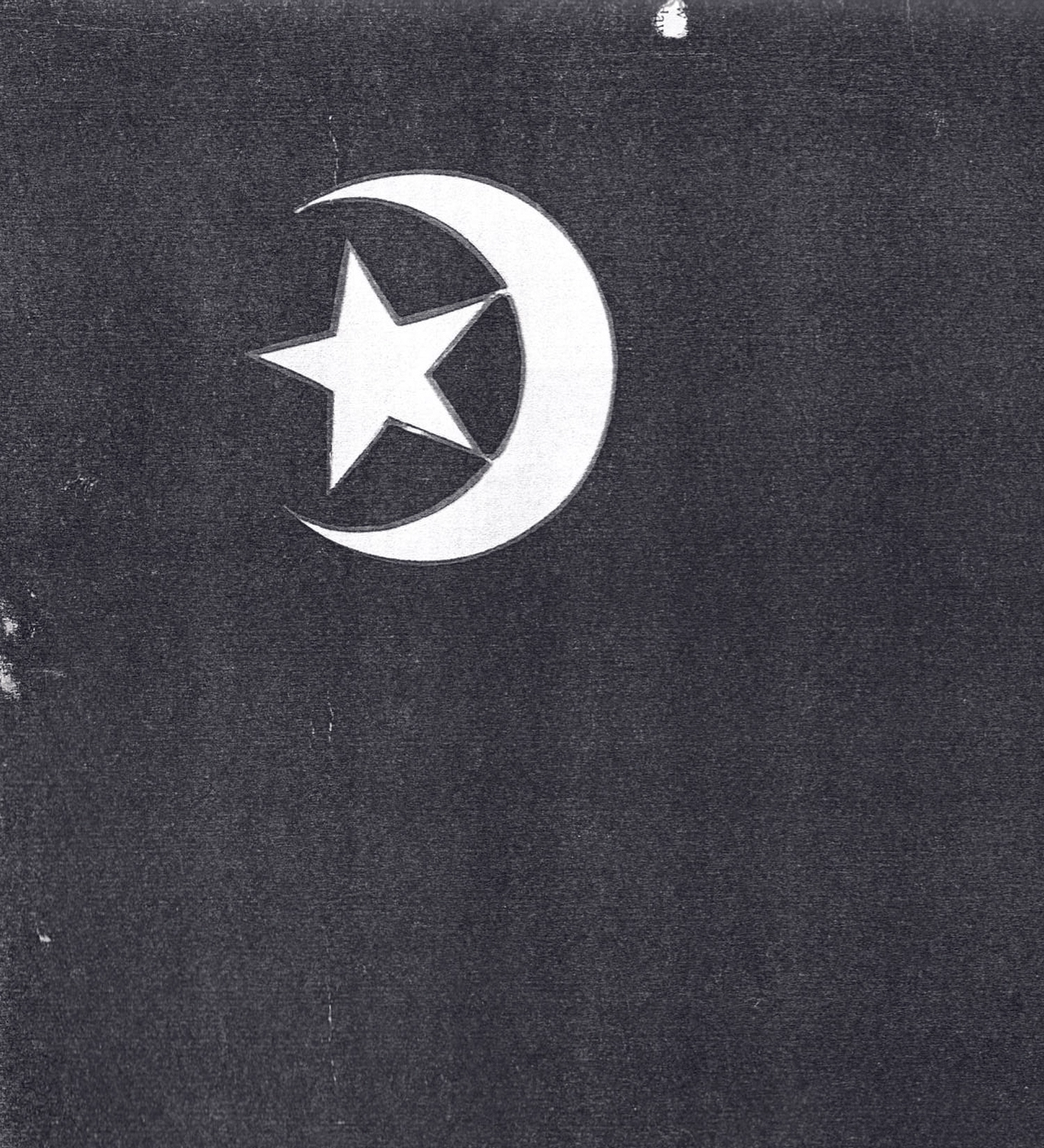
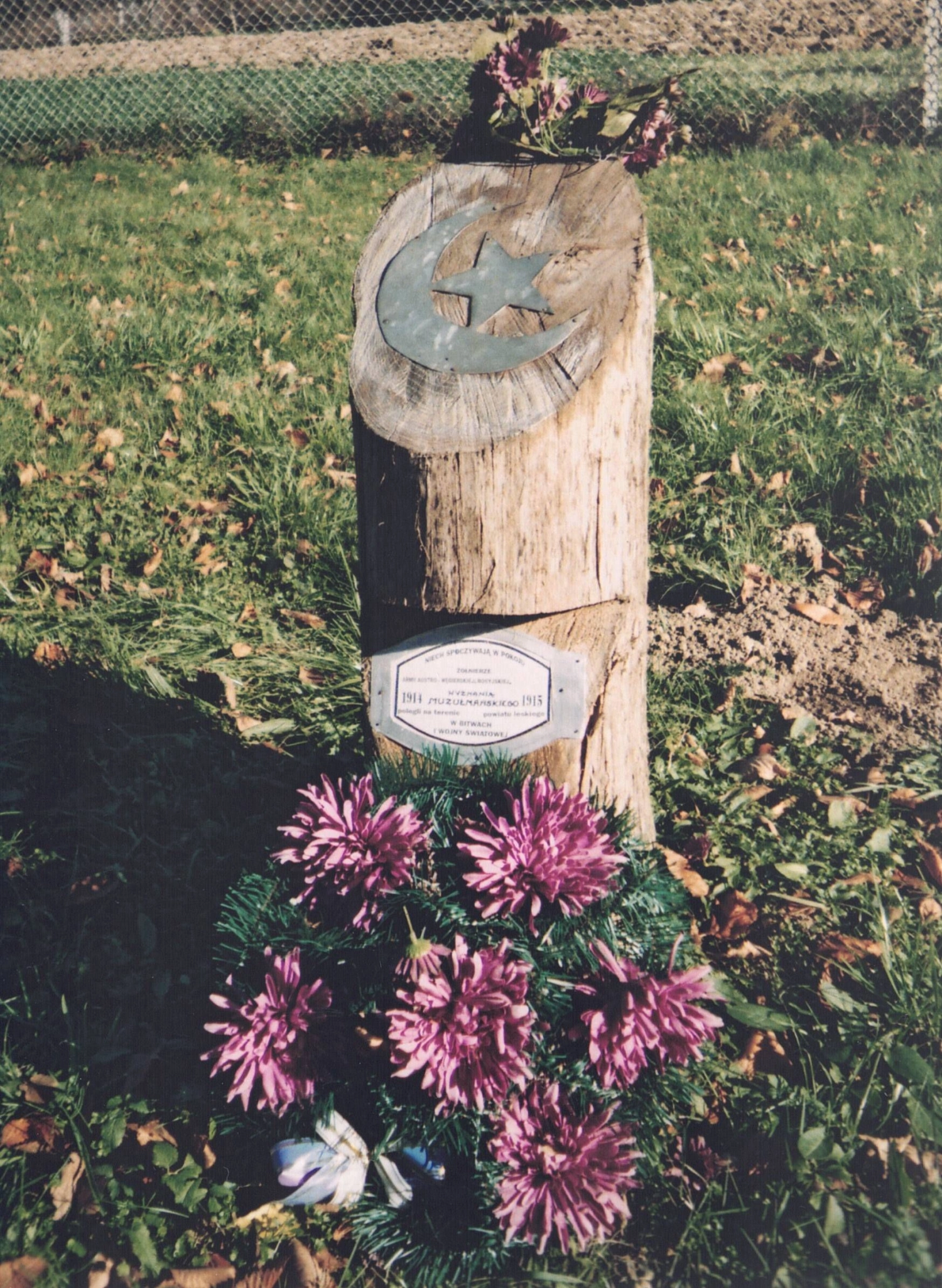
In 2004, Imam Mahmud Taha Żuk visited the war cemetery in Lesko, where fallen soldiers of Bosnian origin—Muslims—are also buried. In a gesture of spiritual remembrance, he recited the Yasin surah of the Holy Quran at the graves. In a letter, he expressed thanks for the cemetery’s maintenance and suggested placing a symbolic sign—a crescent moon or the word “God”—as a sign of respect for the buried followers of Islam. He attached an issue of the “Muslim Yearbook” to the letter.
Excerpt from Imam Mahmud Taha Żuk’s letter dated July 22, 2004:
Gracious Sir,
Returning from Muslim religious ceremonies, I visited Lesko, where at the World War I cemetery Bosnian soldiers rest. Bosnians are Muslims, for whom I recited the Yasin surah for all those buried at this cemetery. I would be grateful if you would place a Muslim element on one of the posts, e.g., the word GOD (الله) or a crescent moon. Thank you very much for tidying up the cemetery.
P.S. I enclose the “Muslim Yearbook”.
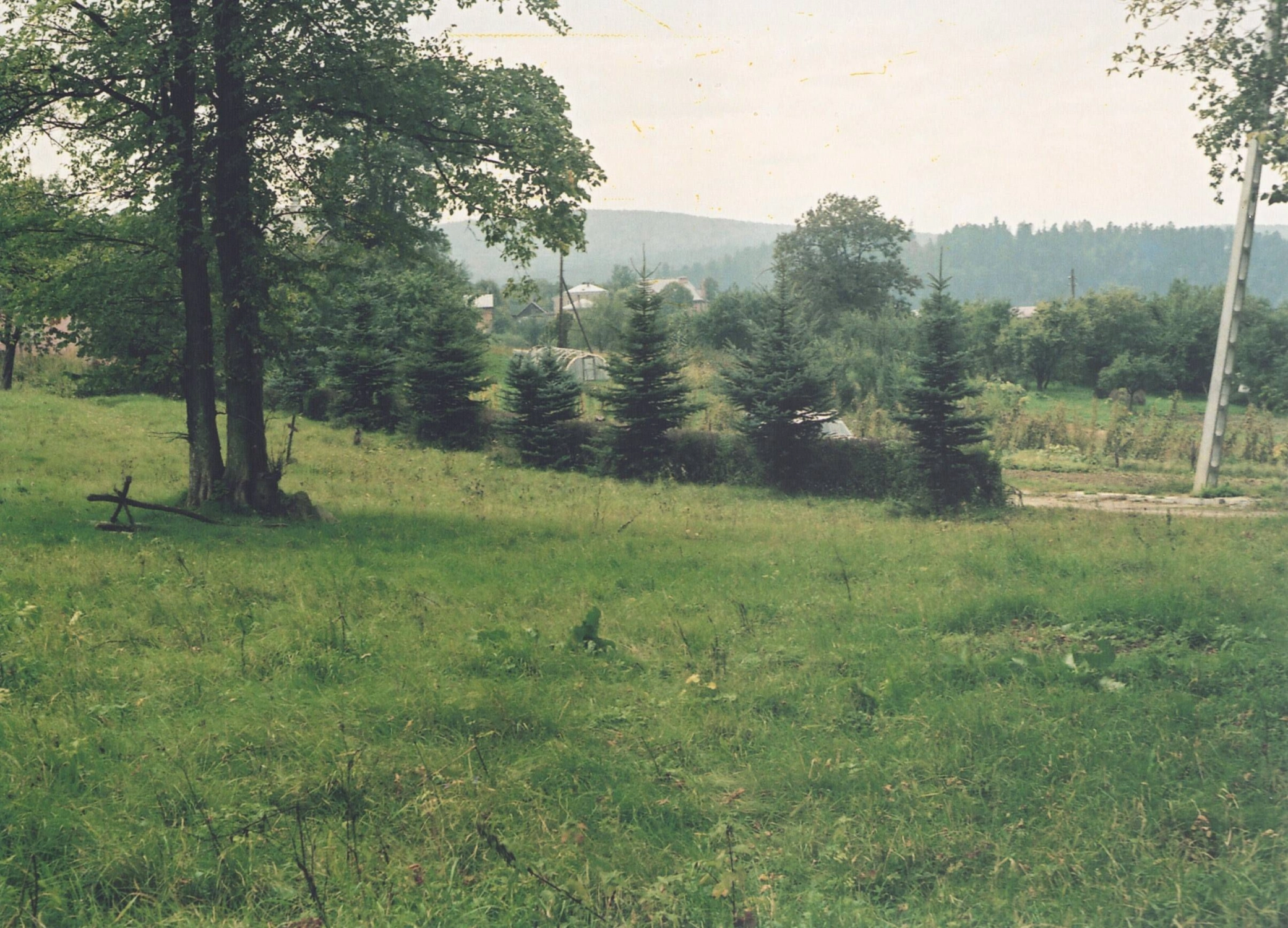
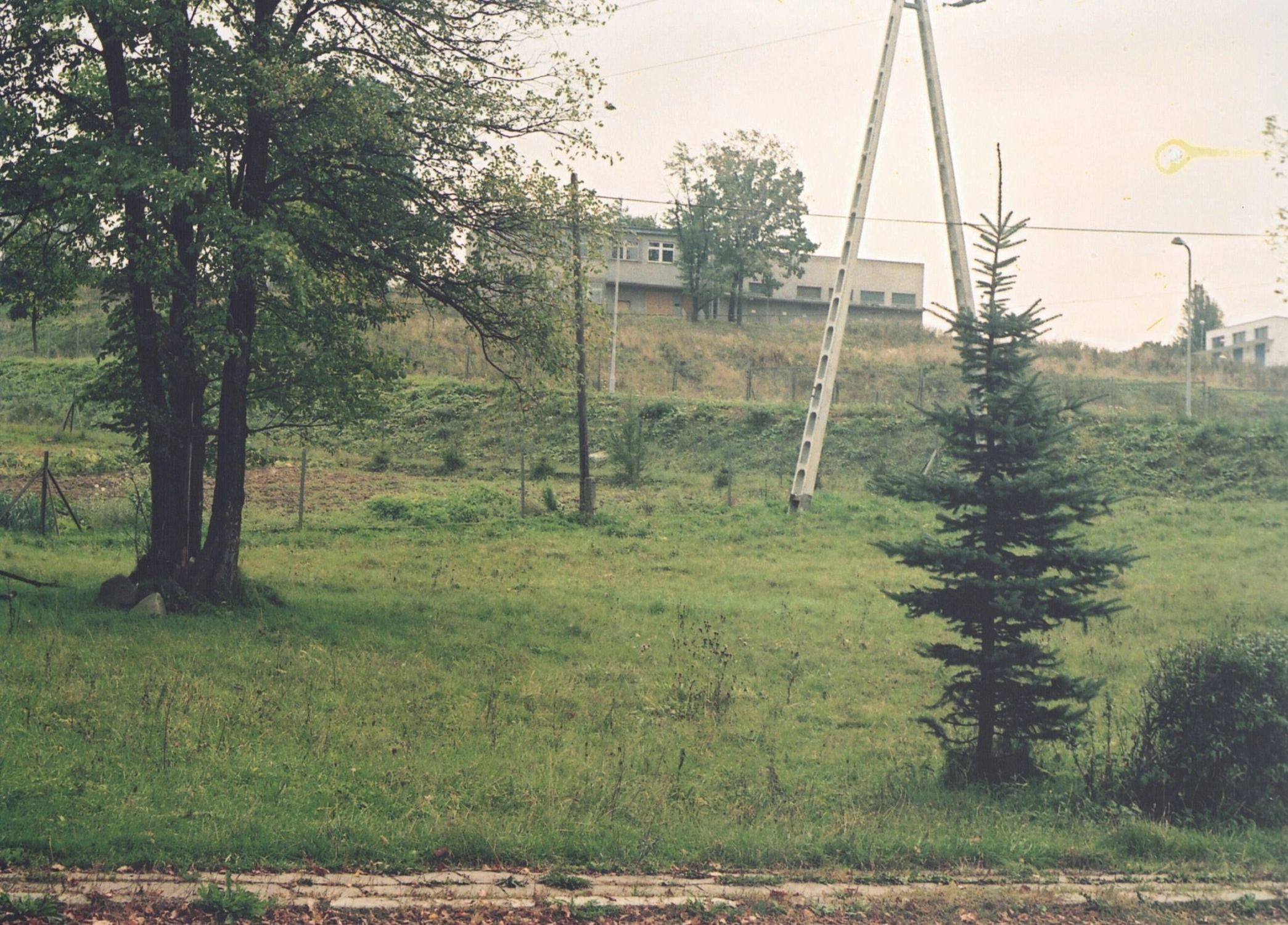
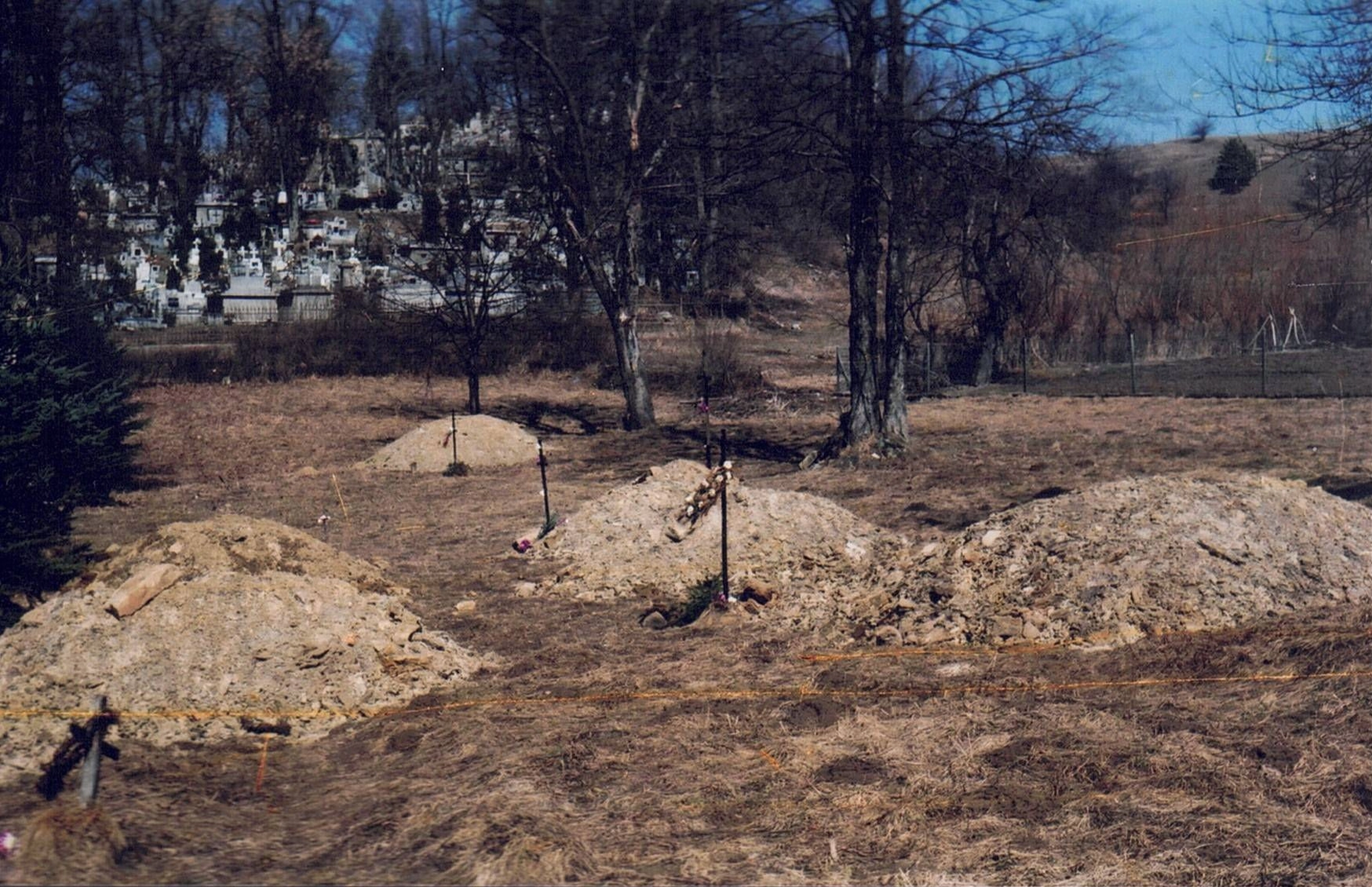
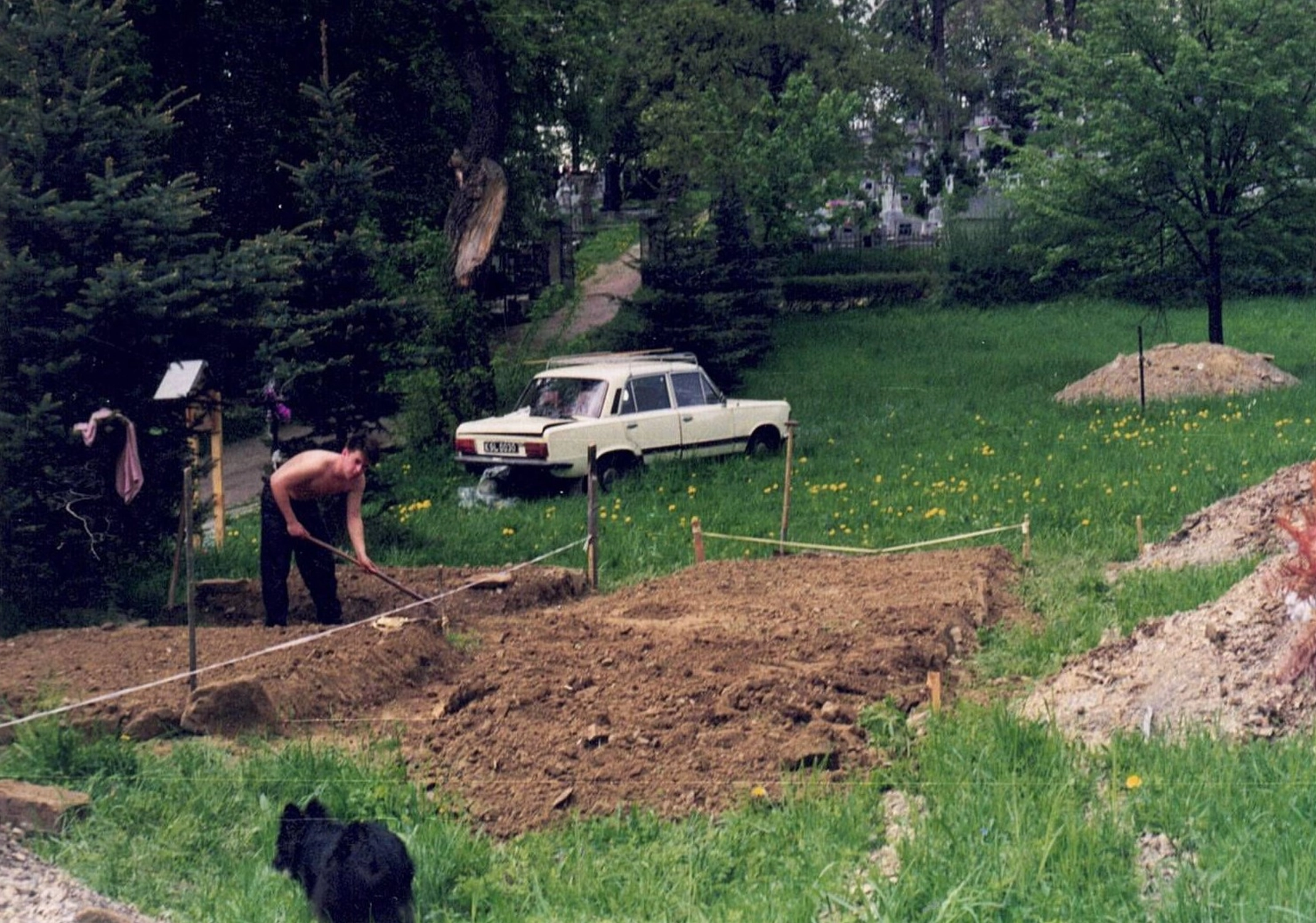
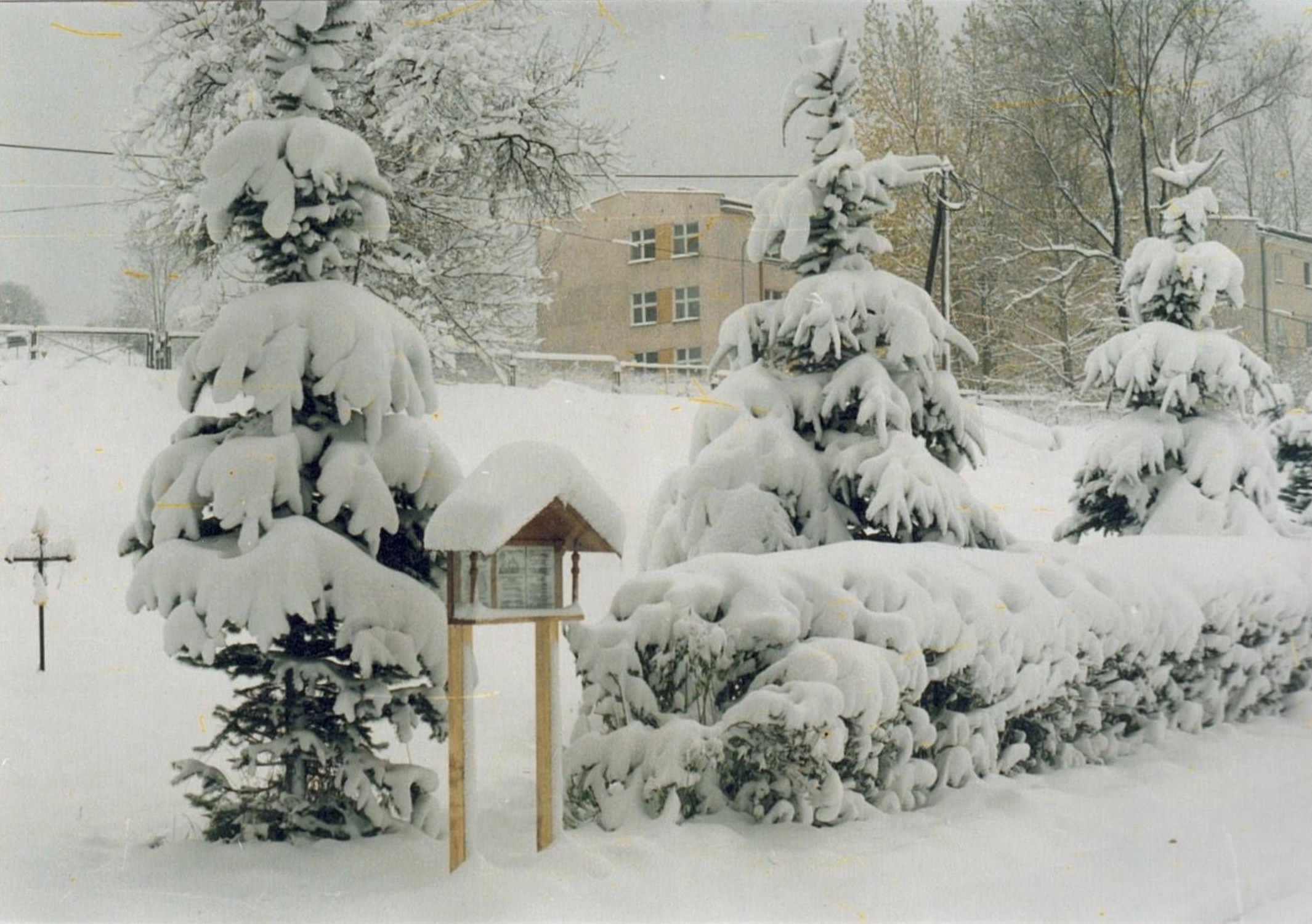
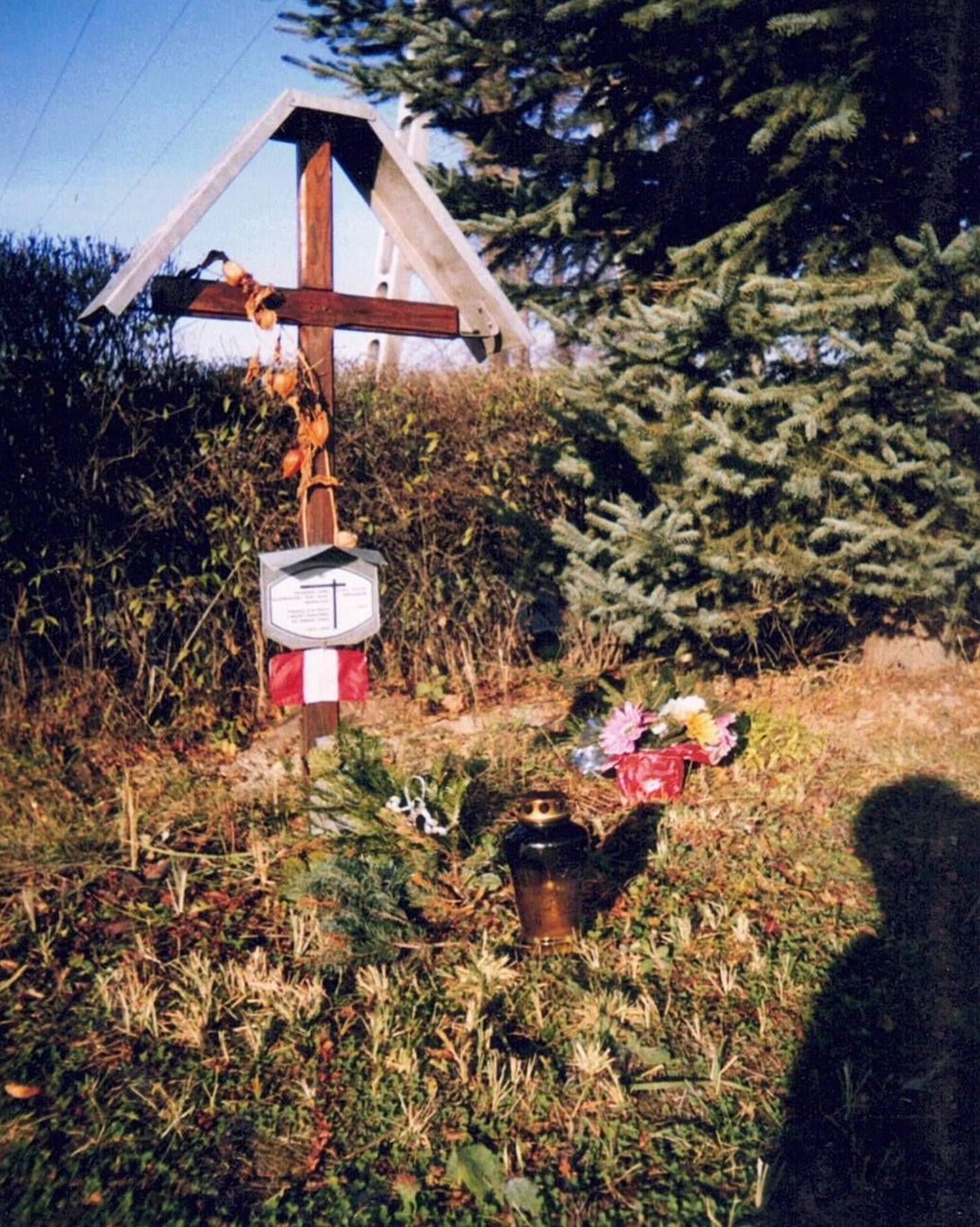
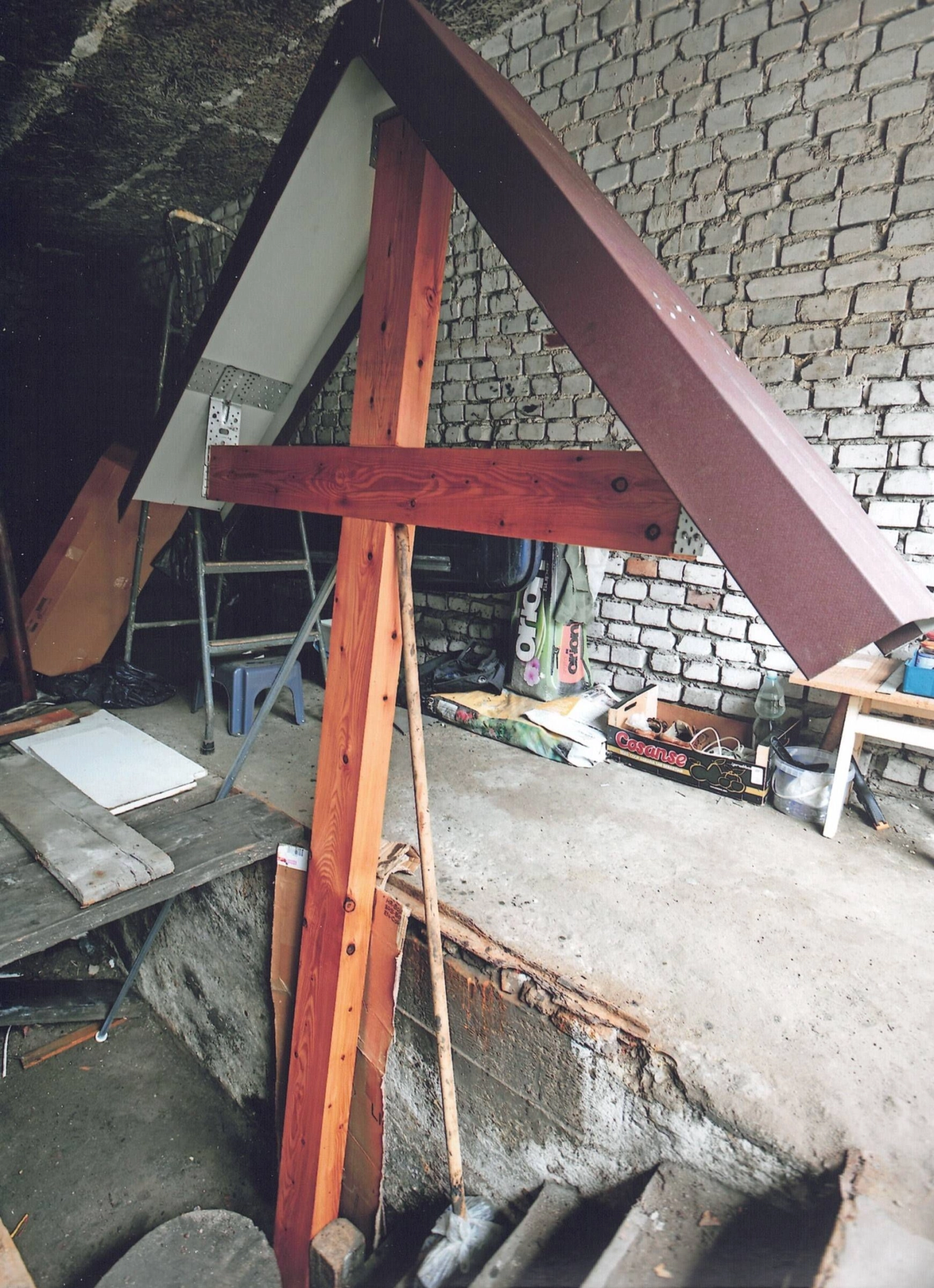
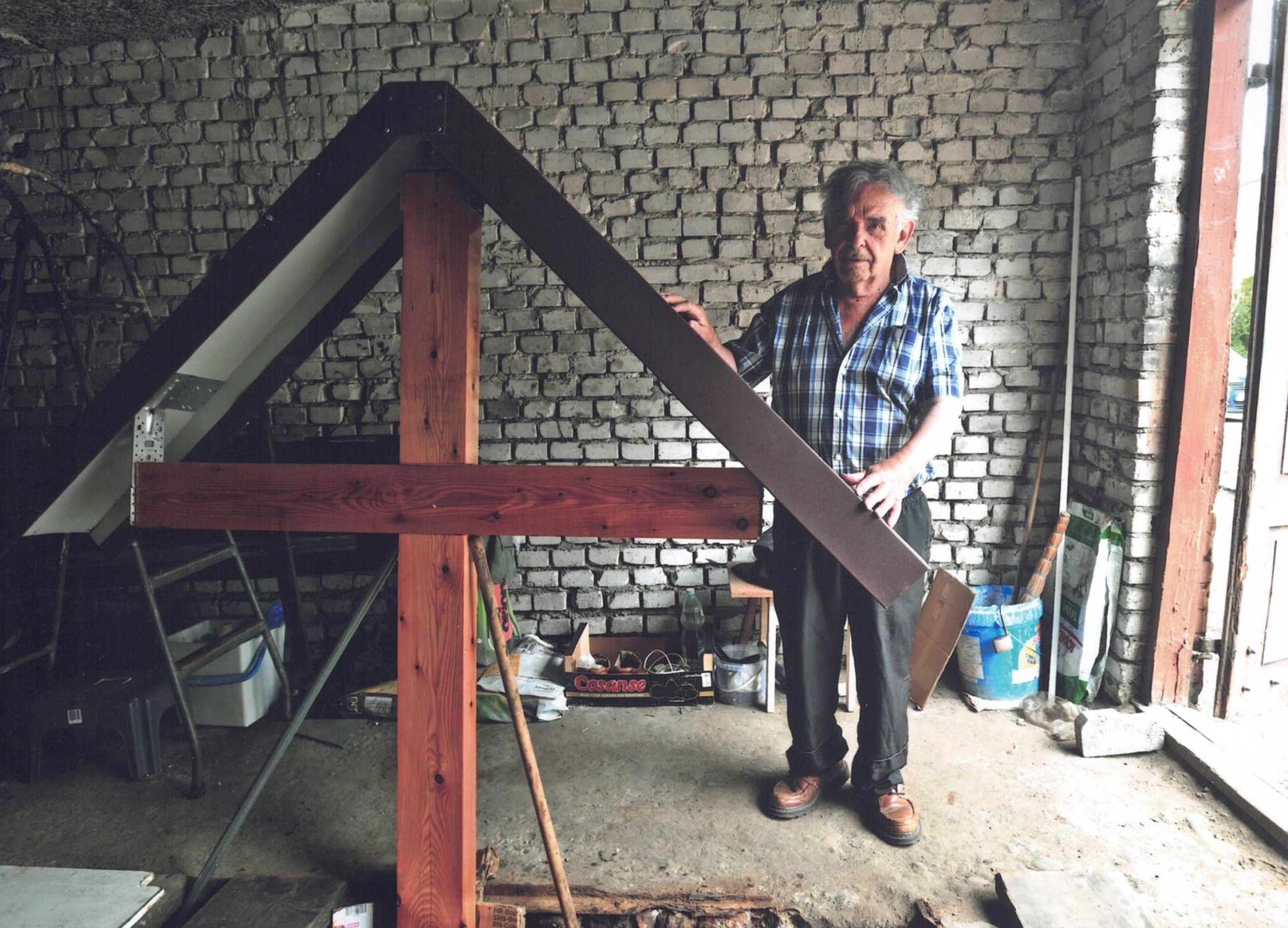
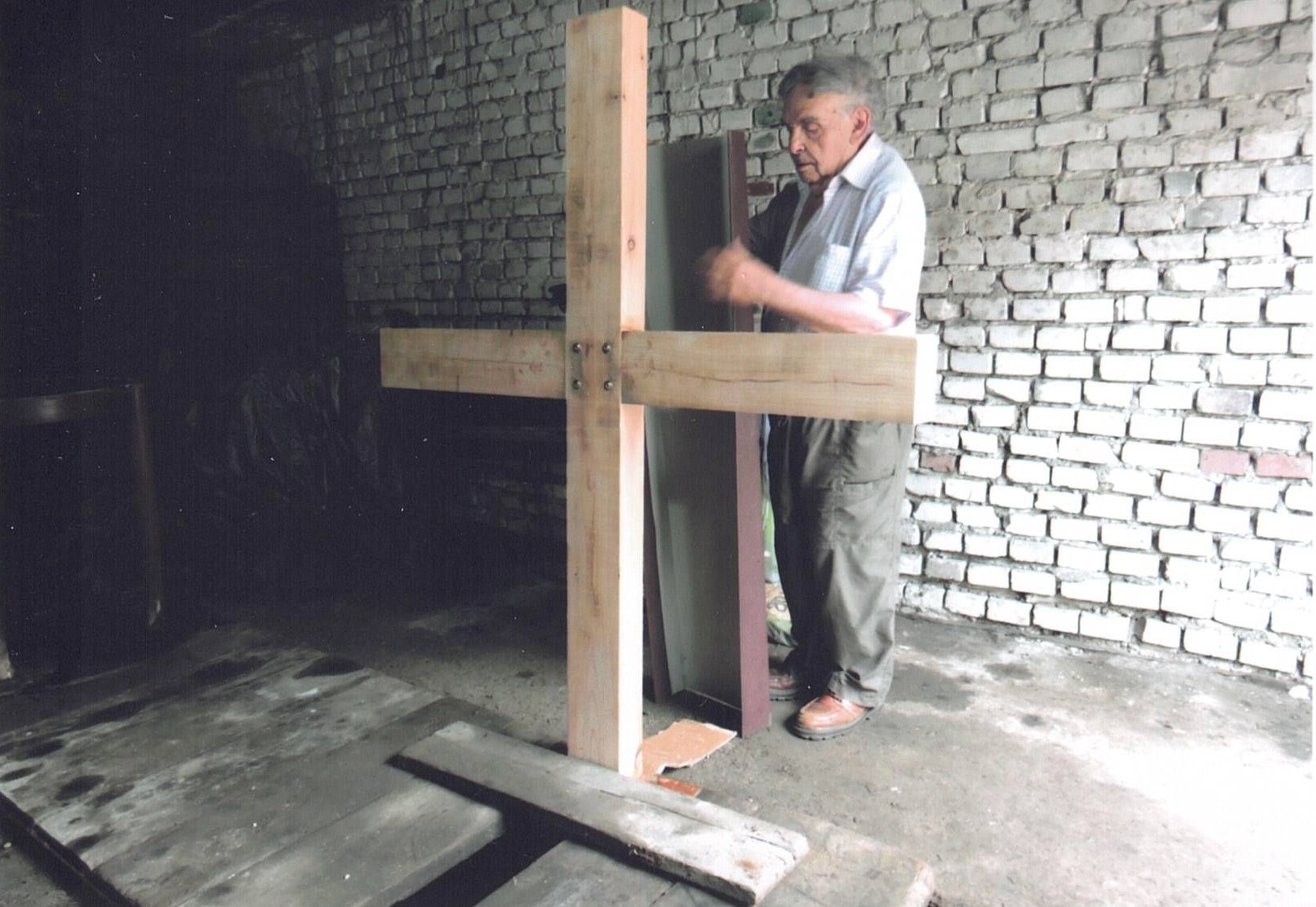
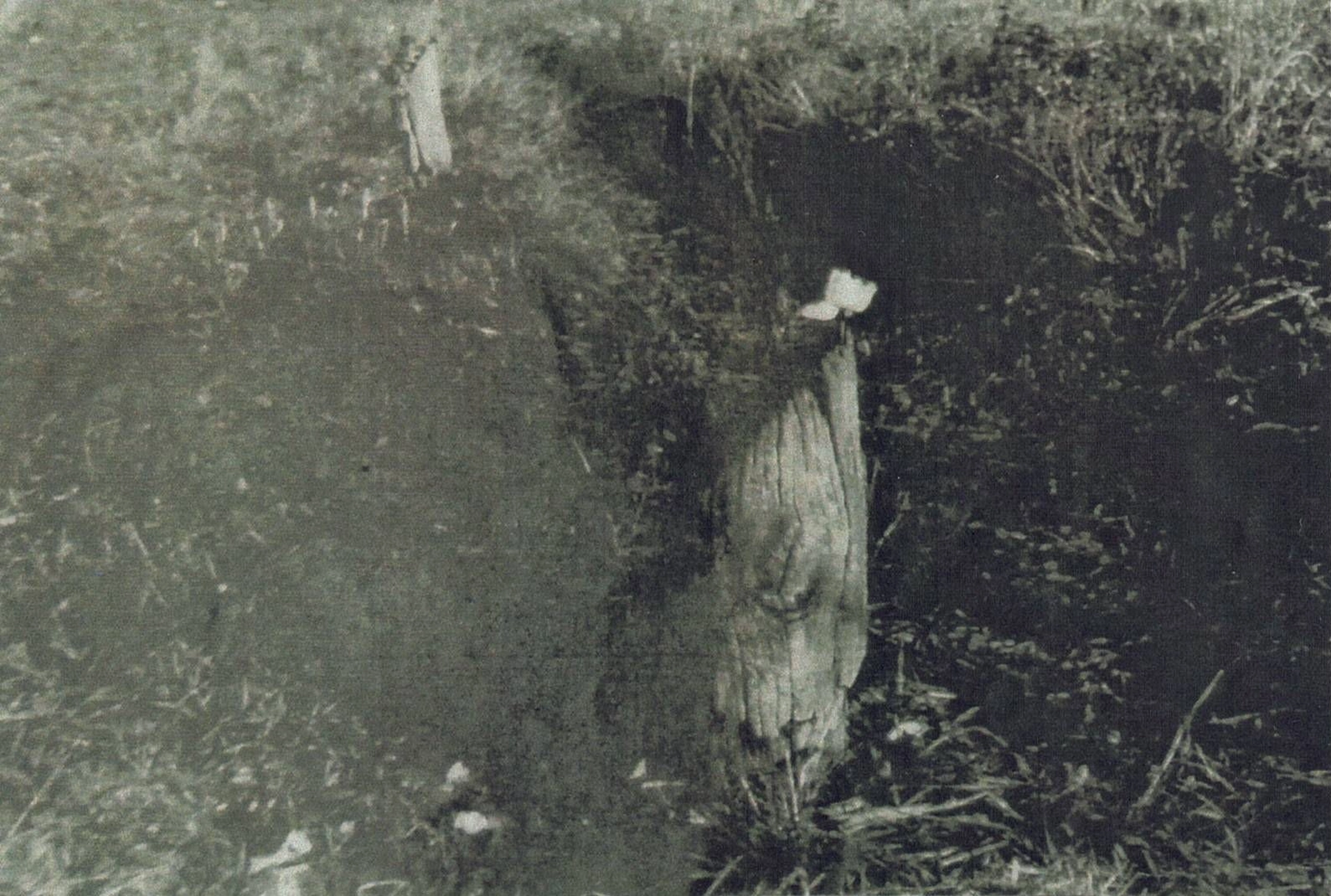
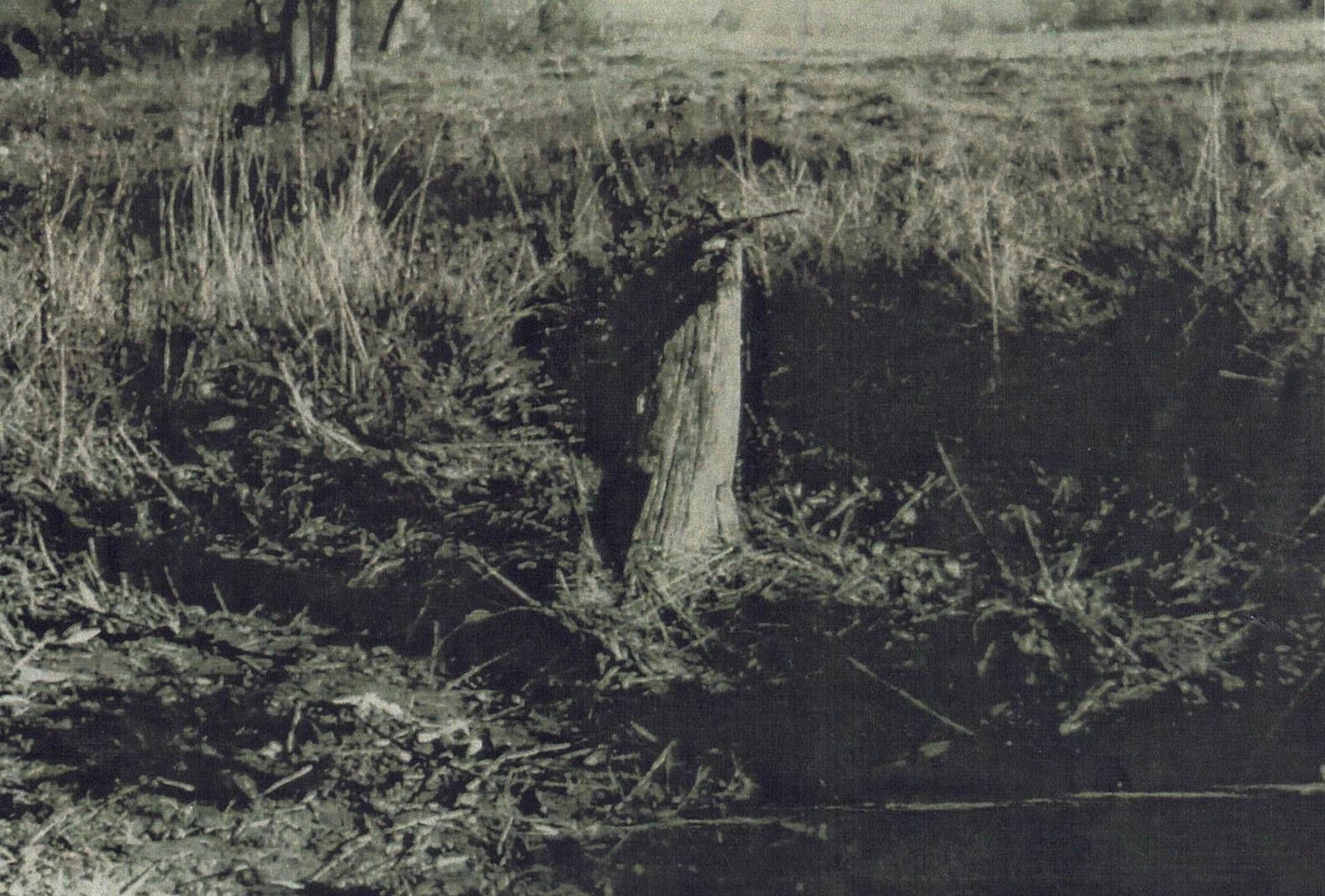
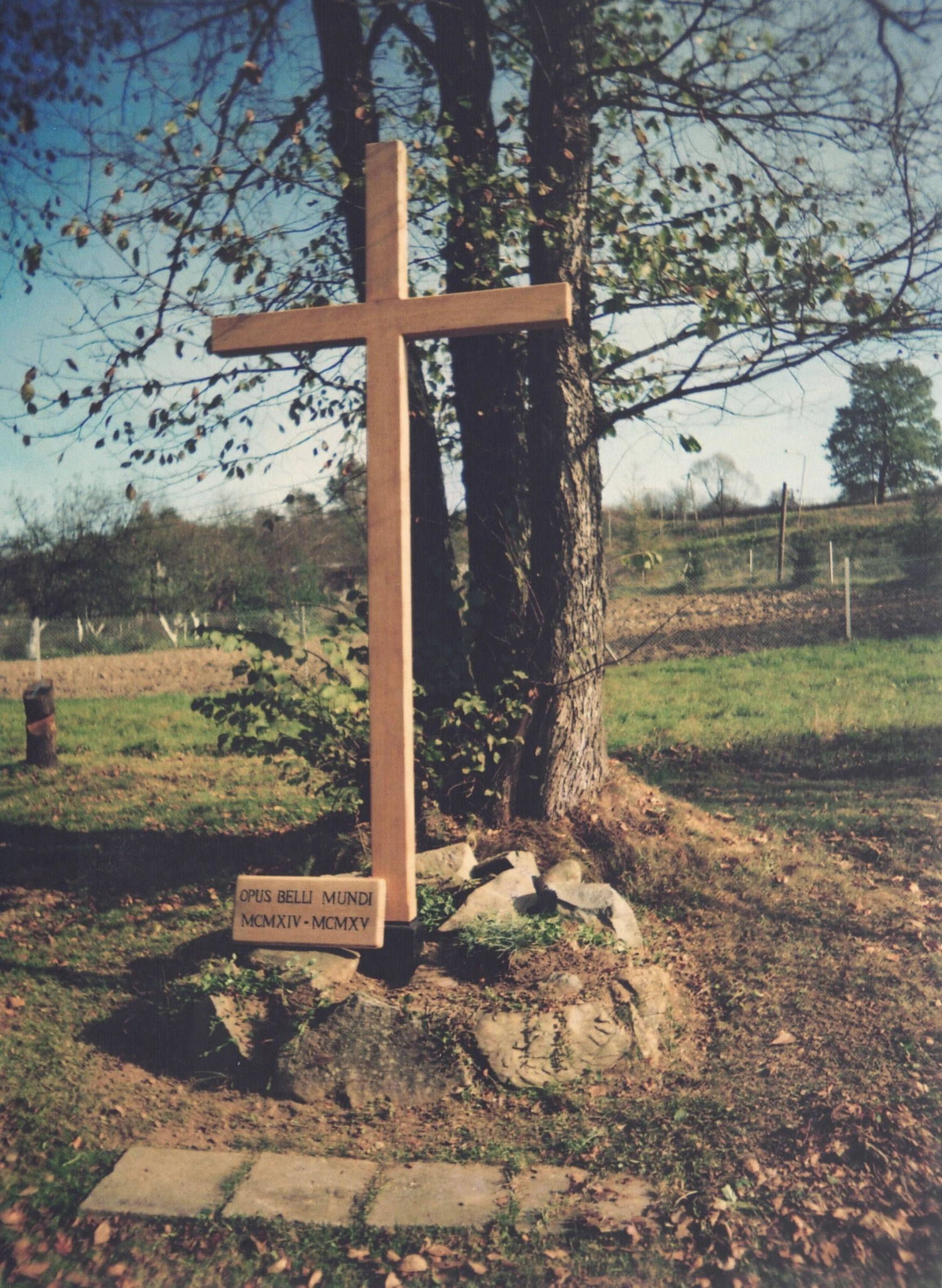
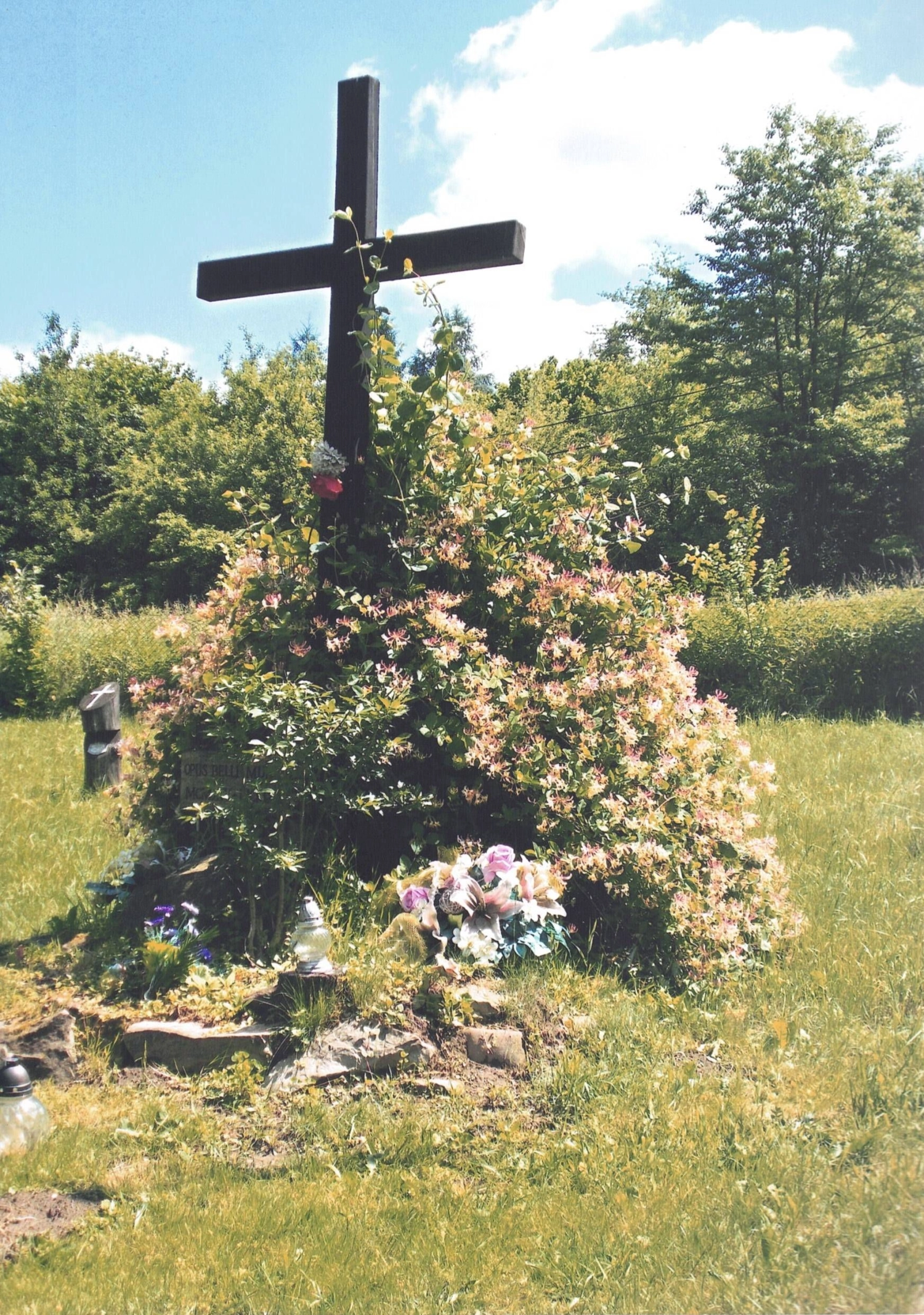
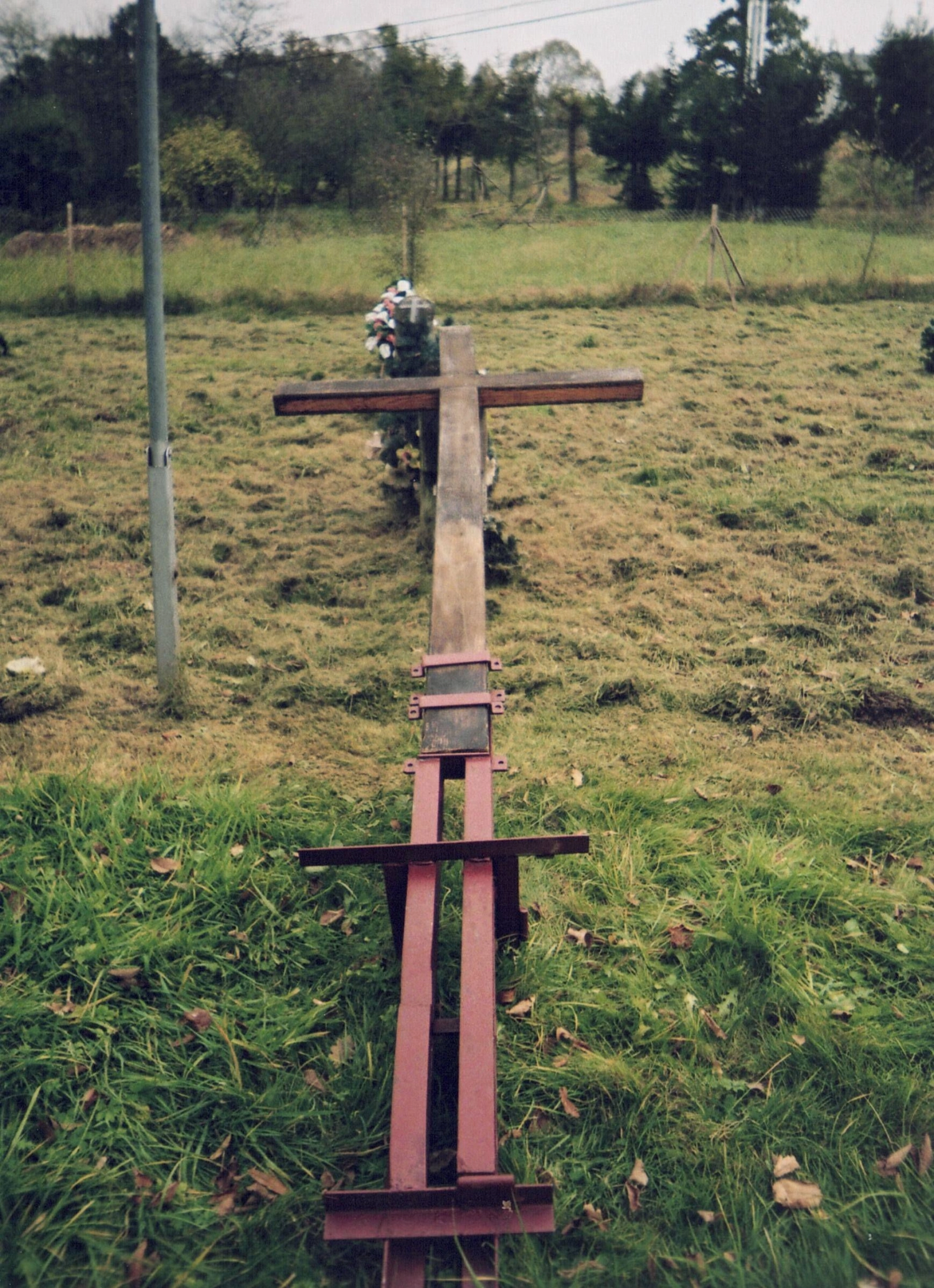
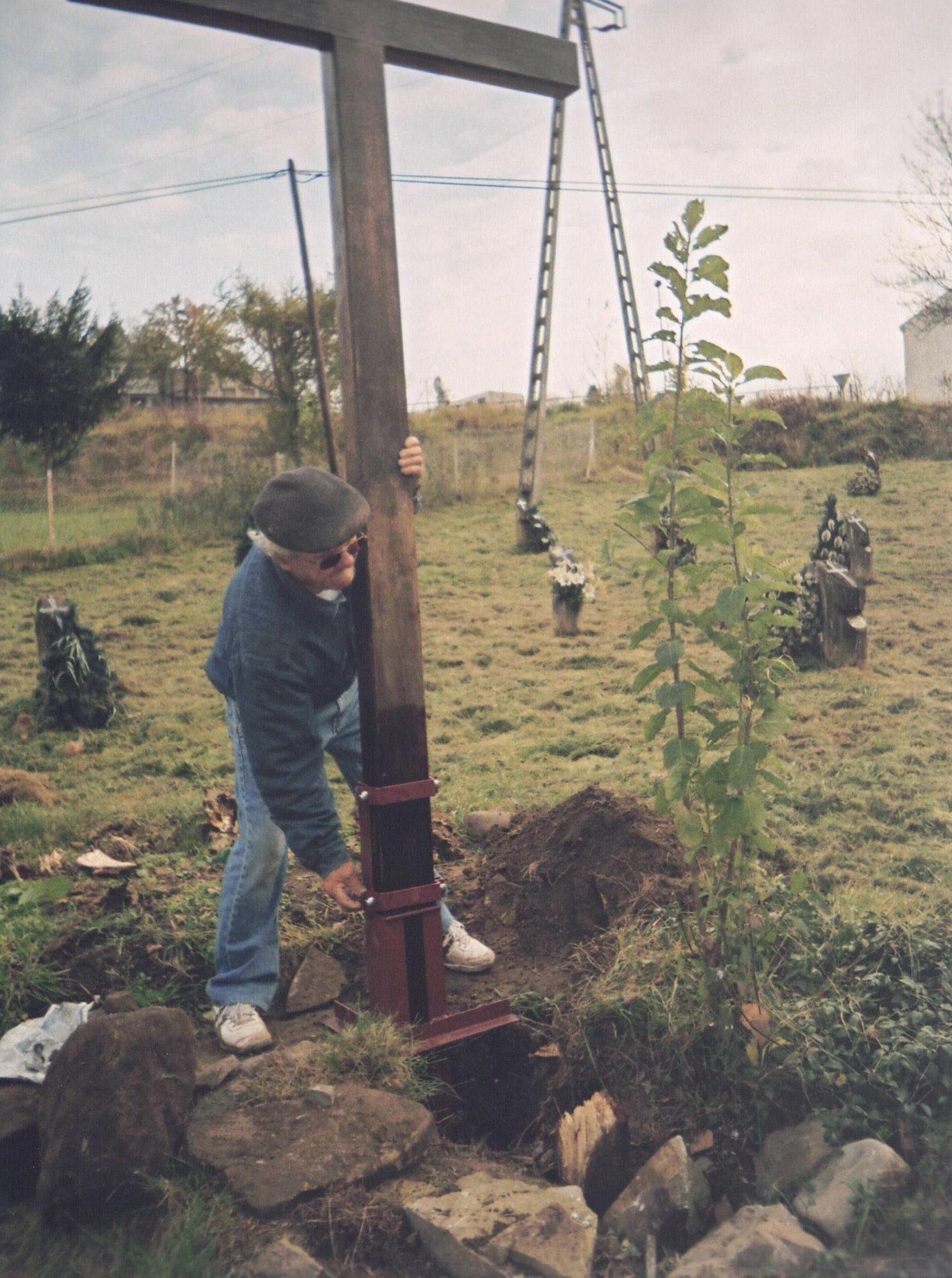
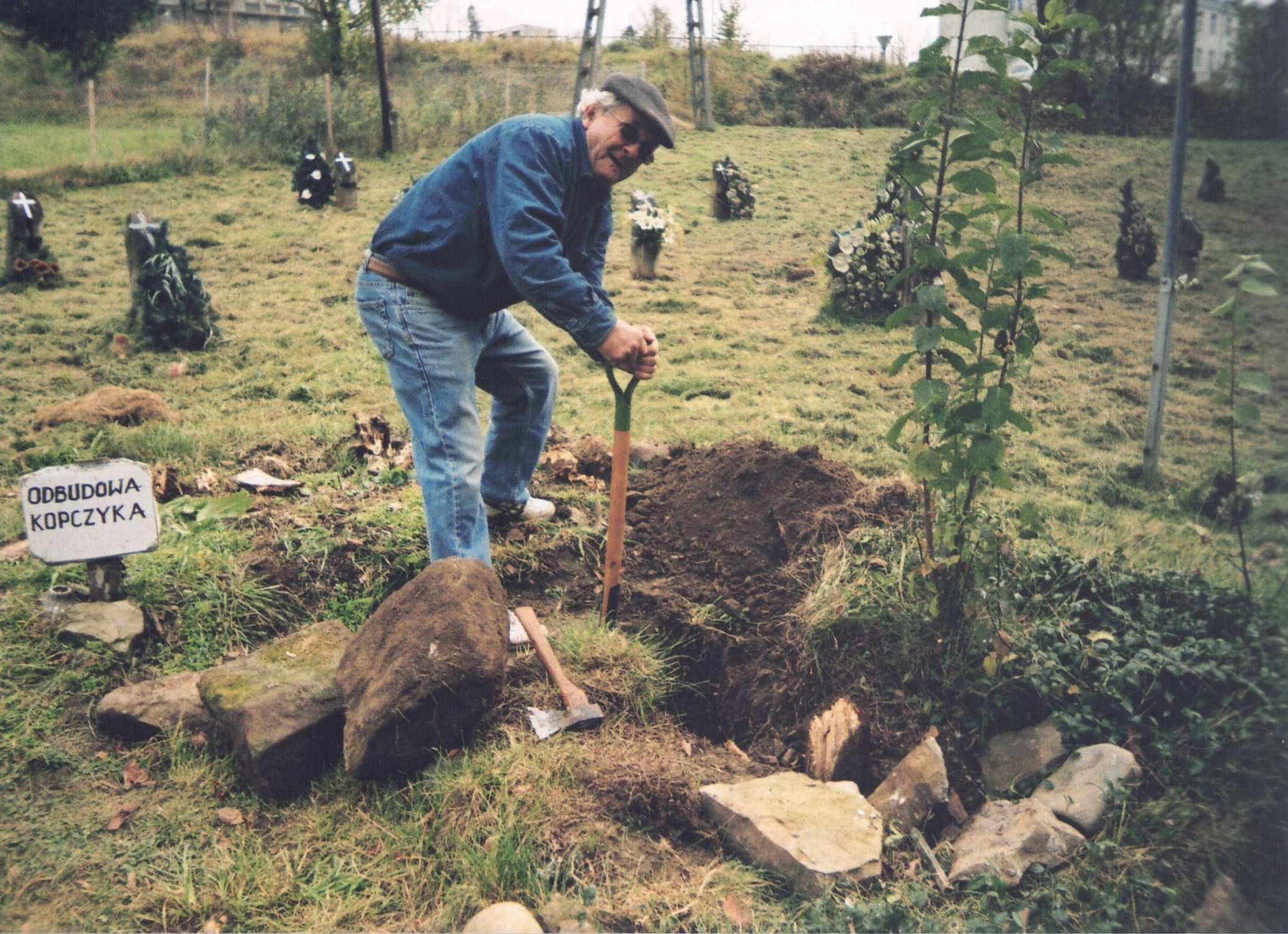
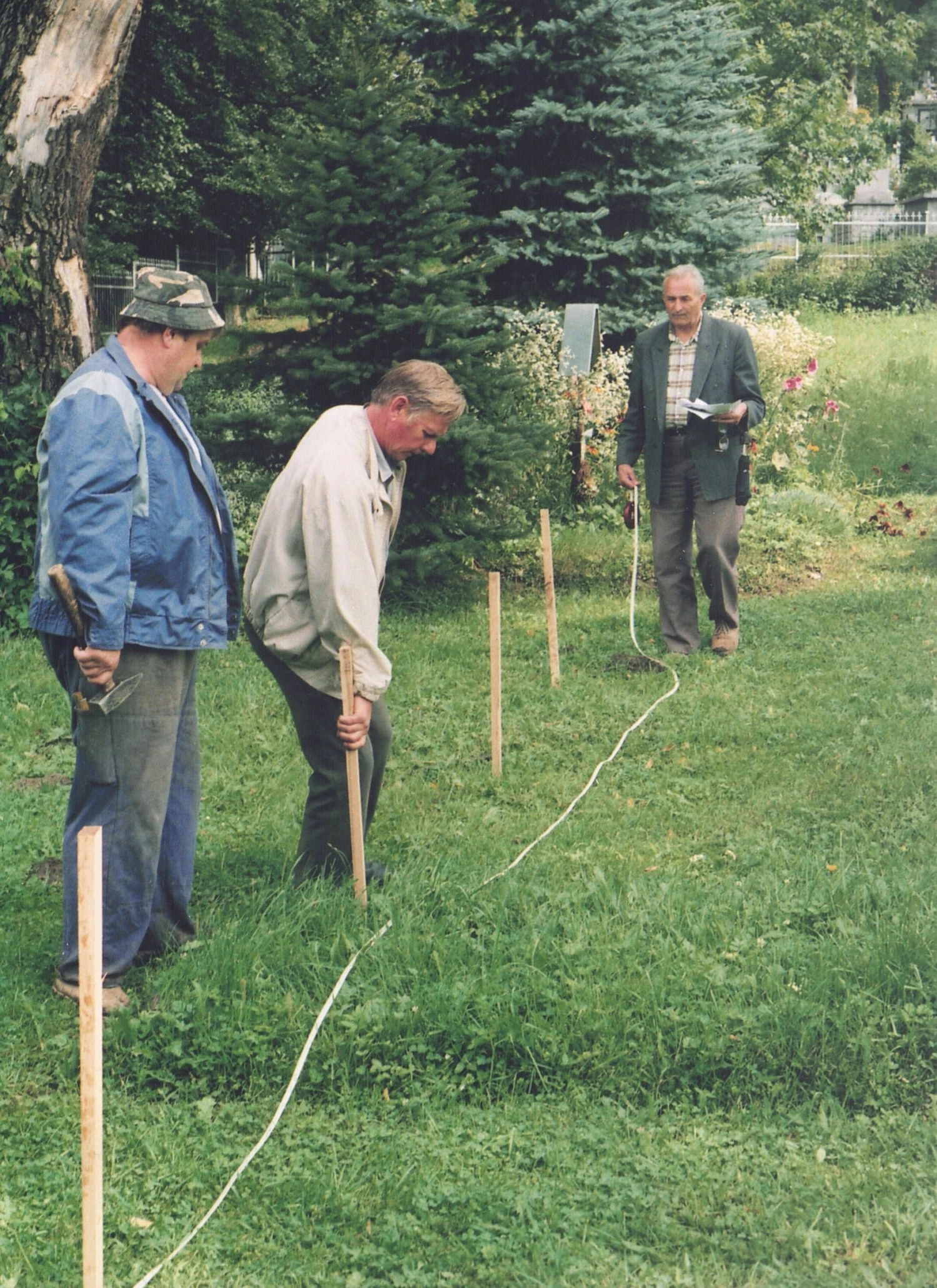
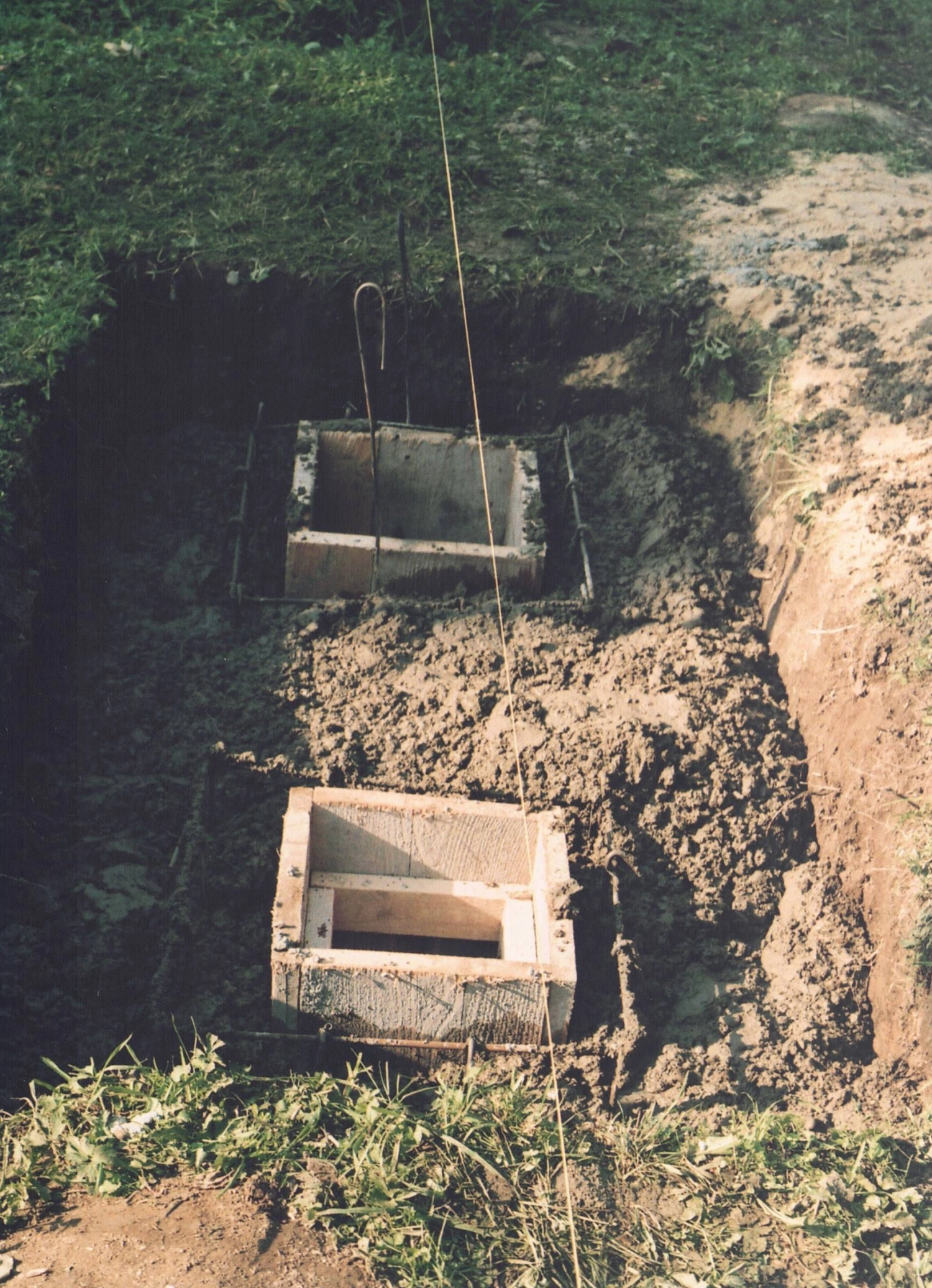
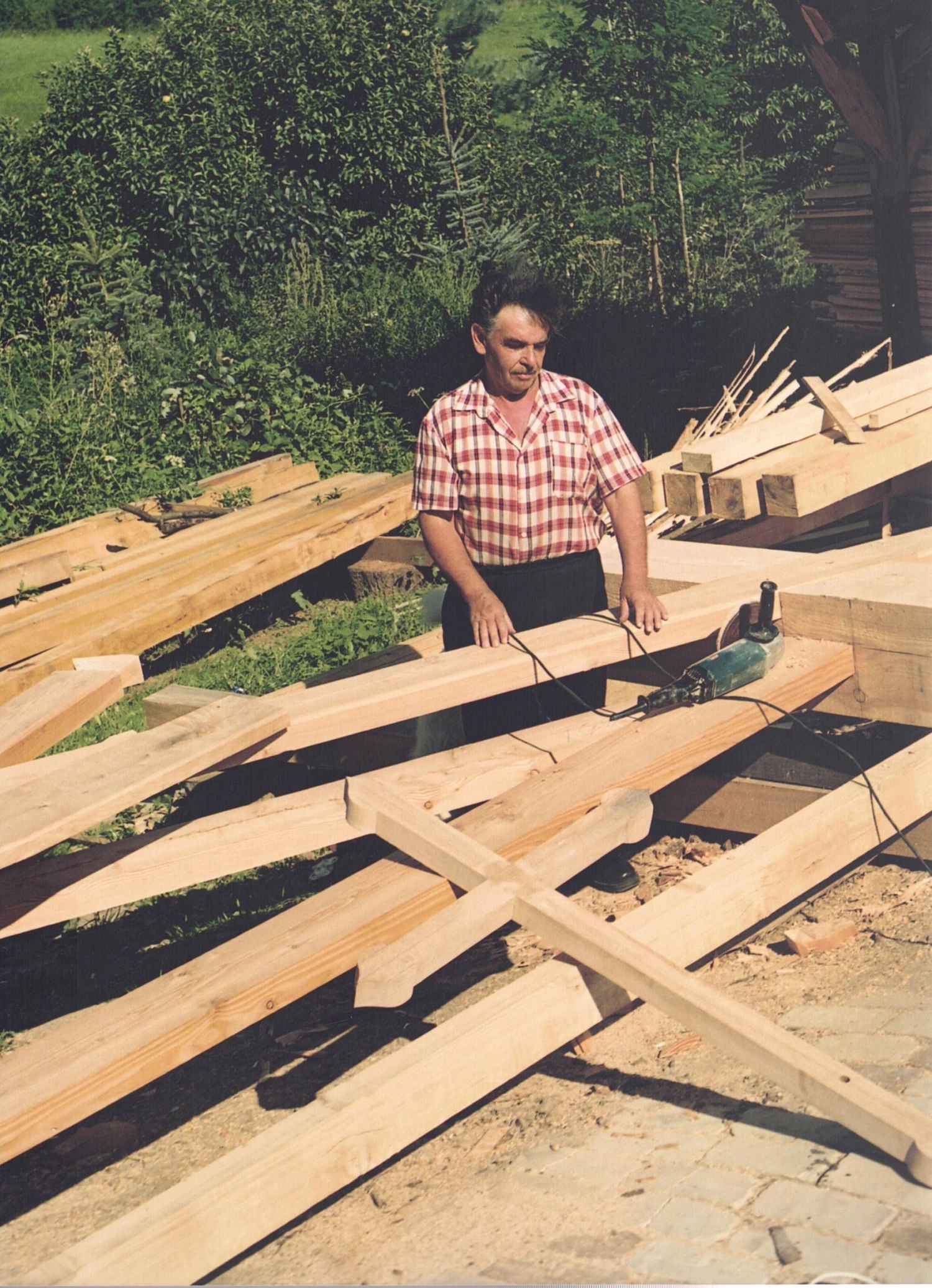
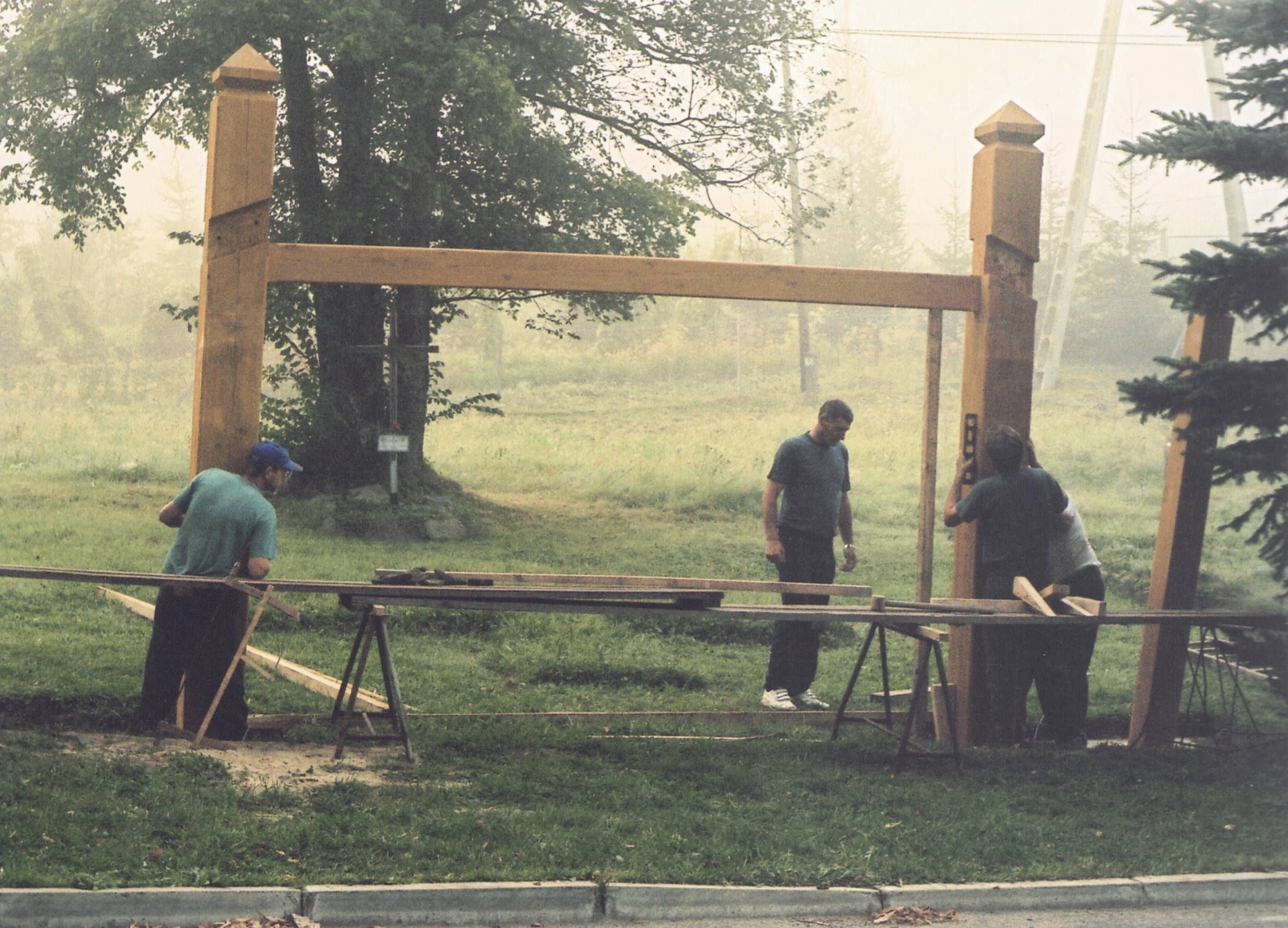
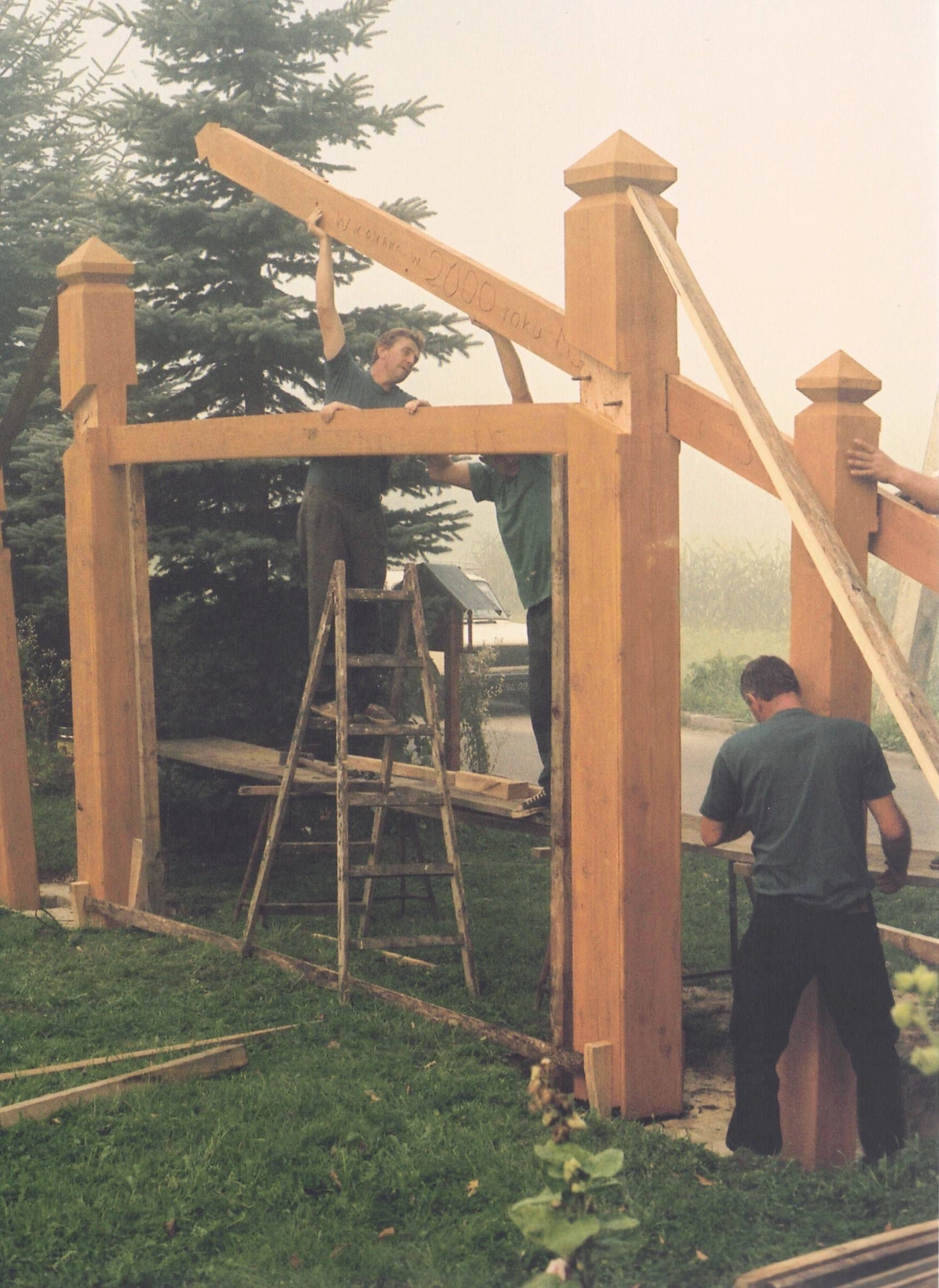
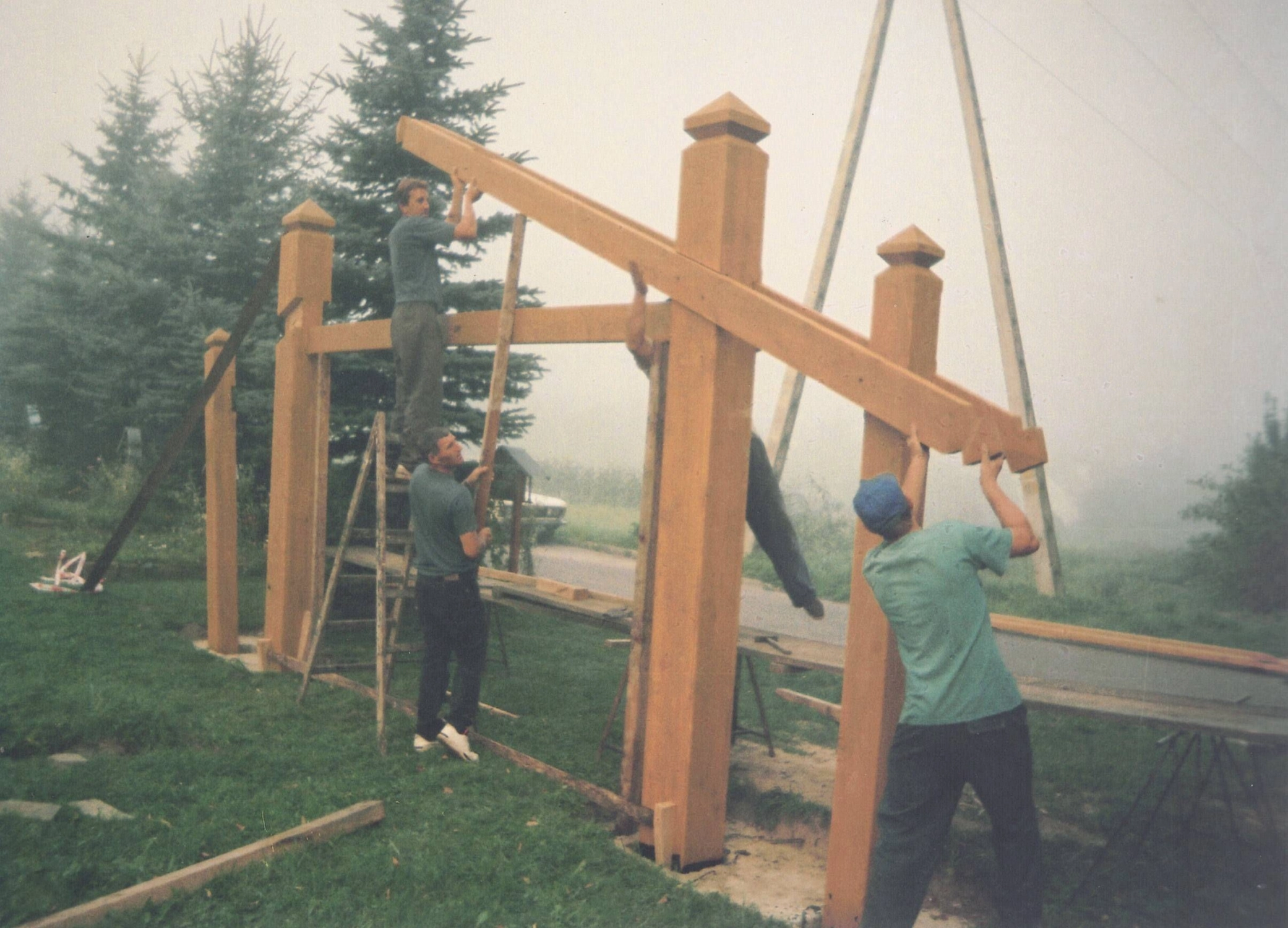
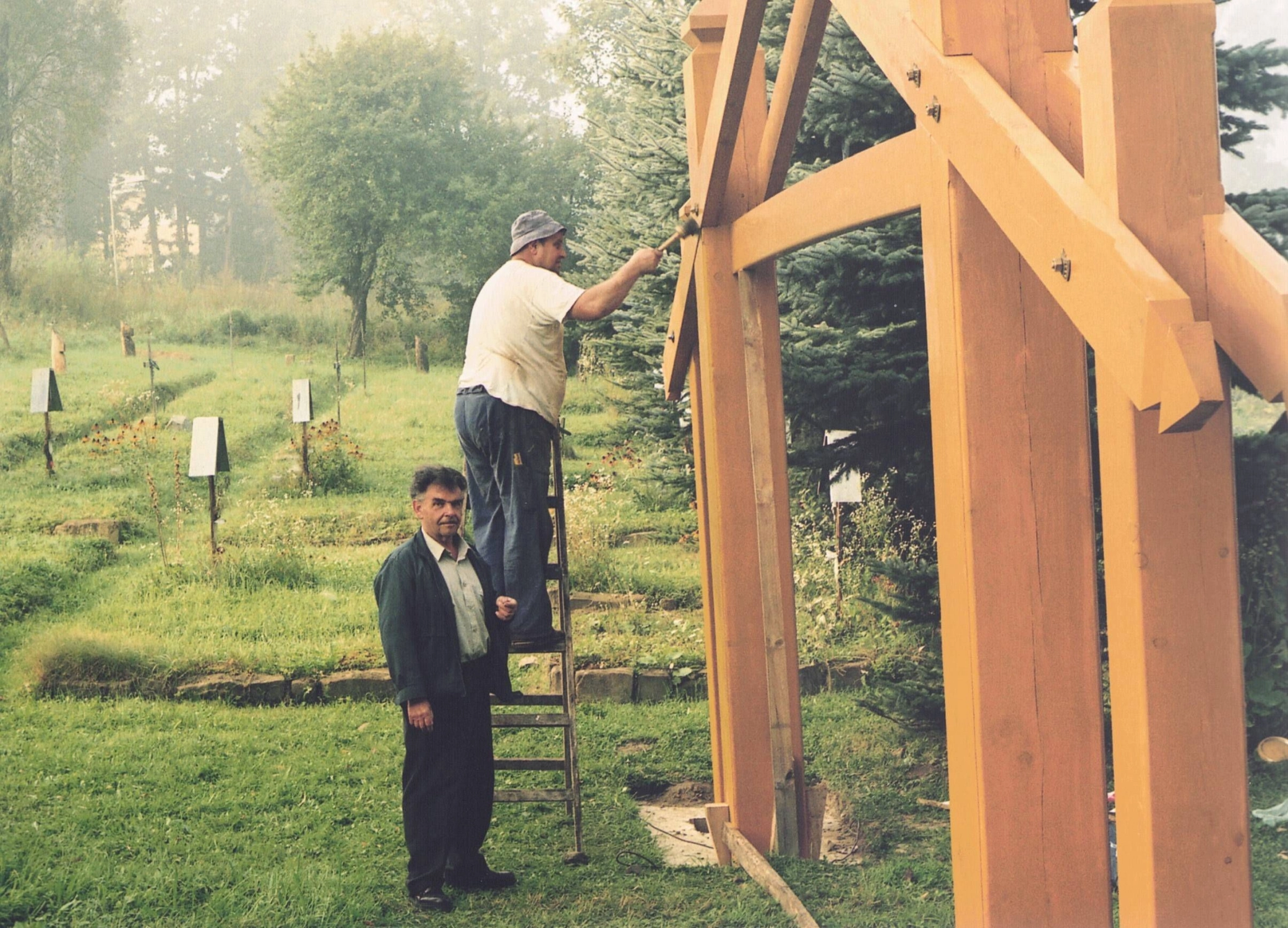
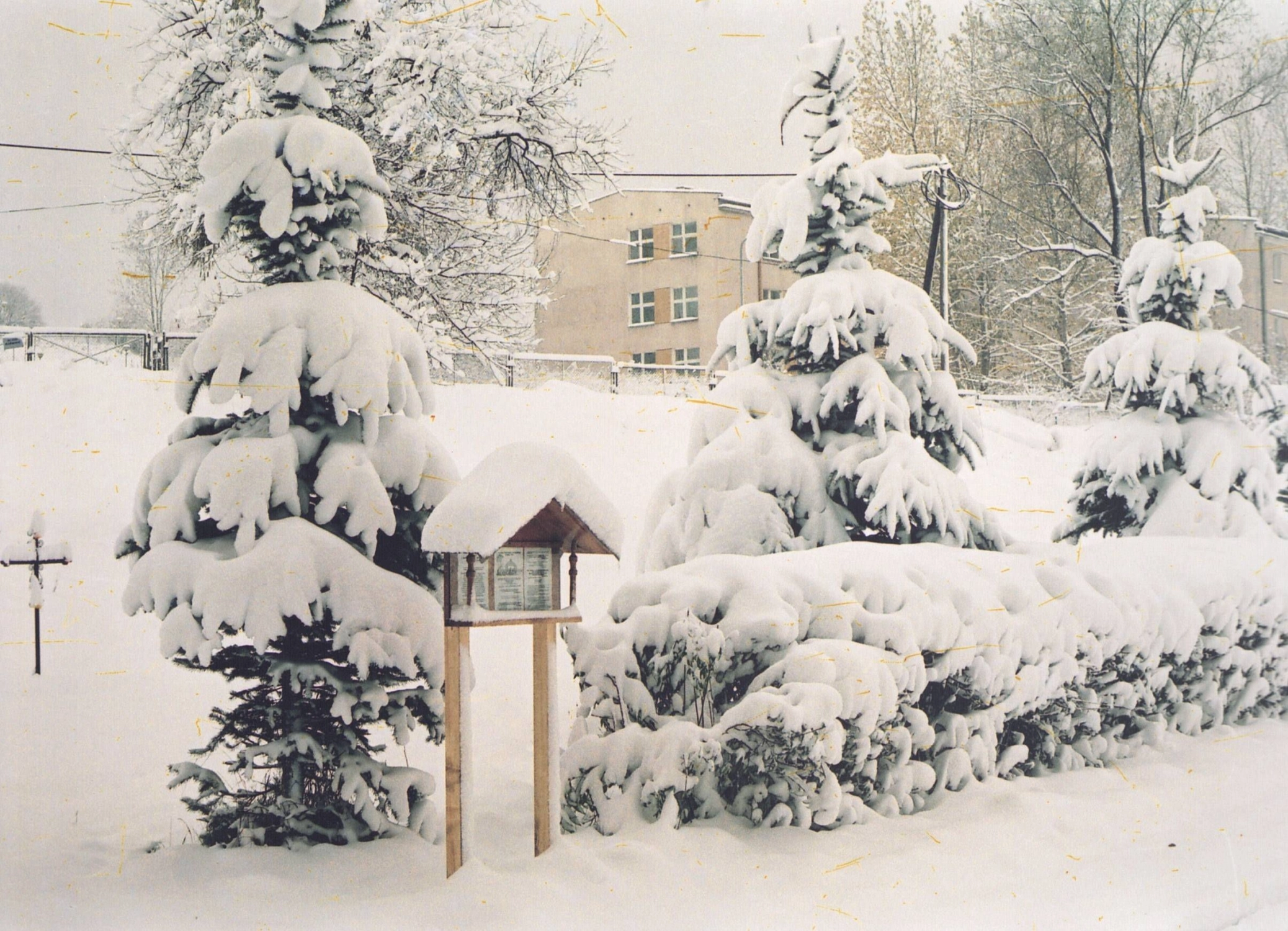
Gallery – Cemetery Renovation
Photographic documentation of the renovation work on the war cemetery in Lesko was carried out on the initiative and under the direction of the Social Caretaker of the War Cemetery in Lesko, Stanisław Maciela. The renovation was possible thanks to the support and goodwill of many individuals and organizations whose recognition of the historical significance of this place became an important motivation to act.